2026 Best Composite Cladding Options for Global Buyers?
As the demand for sustainable building materials rises, composite cladding has emerged as a leading choice for architects and builders worldwide. In a recent industry report by the Building Research Institute, the market for composite cladding is expected to grow by 8% annually, reflecting its increasing popularity. Experts, such as Dr. Emily Chen, an authority in sustainable materials, noted, “Composite cladding offers durability and eco-friendliness that traditional materials simply cannot match.”
The versatility of composite cladding makes it appealing for various applications. Not only does it enhance aesthetic appeal, but it also provides insulation benefits that can lead to energy savings. Moreover, many products in this category are designed to withstand harsh environmental conditions, making them a reliable option for global buyers. However, it is essential to consider the long-term sustainability of these materials and their potential environmental impact.
While composite cladding has numerous advantages, consumers should also be aware of potential drawbacks. Some products may require specific maintenance routines to maintain their performance. Additionally, not all composite materials are created equal; quality can vary significantly. Therefore, thorough research is crucial before making a selection. Ultimately, the right choice in composite cladding can significantly enhance both functionality and design in modern construction.
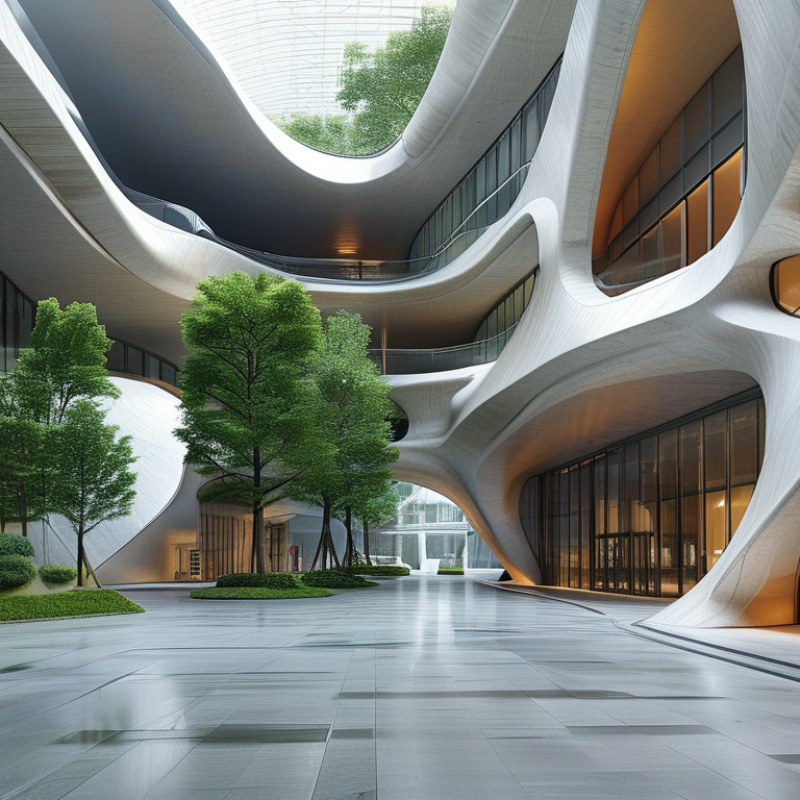
Understanding Composite Cladding: Definition and Benefits
Composite cladding offers a modern solution for exterior finishes. Made from a blend of materials, it combines durability and aesthetic appeal. Homeowners and builders appreciate its resistance to weather, pests, and rot. This makes it a practical choice for various climates.
Choosing the right composite cladding can be challenging. It's crucial to assess your local weather conditions. Are you in a humid area? Consider cladding that can withstand moisture. If your region experiences extreme temperatures, select materials designed for thermal stability. The right choice ensures longevity and minimal maintenance.
When exploring options, consider the environmental impact. Many composites are created using recycled materials. This not only reduces waste but also lowers your carbon footprint. However, knowing the source of these materials is vital for transparency. Opt for products that are certified and eco-friendly to ensure you make a responsible choice.
While the visual appeal is important, durability can sometimes be overestimated. Some products may look great but fail to perform over time. Regular inspections and maintenance are essential. This ensures that your investment lasts, avoiding unforeseen repairs later on.
Popular Types of Composite Cladding Materials and Their Features
Composite cladding is gaining popularity due to its durability and aesthetic appeal. Various types of composite materials are available, each offering unique features that cater to different needs. For instance, wood-plastic composites combine recycled wood fibers and plastic, creating a product that is moisture-resistant and easy to maintain. According to a recent market report, the demand for wood-plastic composites is expected to grow by 12% annually, highlighting their increasing popularity among builders and architects.
Another option is fiber-reinforced polymer cladding. This material is known for its strength and resistance to harsh weather conditions. Its lightweight nature aids in minimizing structural loads. Research indicates that fiber-reinforced polymers can withstand impacts that would damage traditional materials. However, the initial investment can be higher, leading some buyers to hesitate.
Finally, there’s the thermoplastic cladding. Though it offers flexibility and design versatility, its long-term durability might raise concerns. A study noted that while thermoplastics are resistant to fading, they may not provide the same structural integrity as other composites over time. As buyers assess these materials, balancing aesthetics, cost, and performance becomes crucial. Choosing the right type of composite cladding requires careful consideration of one's specific requirements and environmental conditions.
2026 Best Composite Cladding Options for Global Buyers
| Type |
Material Composition |
Durability |
Maintenance |
Aesthetic Options |
| Wood Plastic Composite |
Recycled wood fibers and plastic |
Highly durable, weather resistant |
Low maintenance, occasional cleaning |
Variety of colors and textures |
| Fiber Cement Composite |
Cement, sand, and cellulose fibers |
Excellent durability, fire resistant |
Requires painting over time |
Wide range of styles and finishes |
| Vinyl Composite |
PVC, additives for color and durability |
Good resistance to moisture and insects |
Minimal maintenance, easy to clean |
Available in many colors and styles |
| Metal Composite |
Aluminum or steel with plastic core |
Highly durable, resistant to rust |
Requires periodic washing |
Modern aesthetic with metallic finishes |
| Bamboo Composite |
Bamboo fibers and plastic polymer |
Very strong and flexible |
Low maintenance, sustainable choice |
Natural look with various finishes |
Key Factors to Consider When Choosing Composite Cladding
When selecting composite cladding, key factors must be assessed carefully.
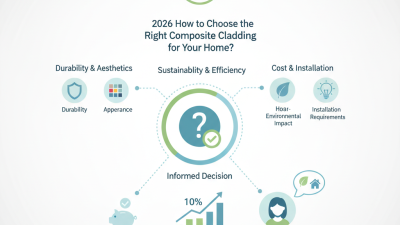
Durability is critical. Reports indicate that high-quality composite materials can last over 25 years with minimal maintenance. However, not all products meet this standard. Buyers should seek materials that are resistant to fading, moisture, and pests. This durability can drastically reduce long-term replacement costs.
Aesthetic appeal is also significant. Composite cladding comes in various colors and textures. These options allow architects to achieve desired appearances while ensuring longevity. Industry data shows that properties utilizing composite materials can experience property value increases of up to 10%. Still, finding the right aesthetic balance can be challenging; too bold a choice may not appeal to future buyers.
Another essential consideration is environmental impact. Many composite products use recycled materials, contributing to sustainability goals. However, the manufacturing process can lead to substantial carbon footprints. Buyers need to assess the full lifecycle of materials to ensure responsible sourcing. Transparency in production processes is paramount; not all manufacturers provide clear data on environmental practices. Choosing the right composite cladding involves multiple, sometimes conflicting factors that demand thoughtful reflection.
Top Brands and Products in the Global Composite Cladding Market
The global composite cladding market is thriving, offering innovative solutions for modern architecture. Buyers can find durable, aesthetically pleasing options tailored to various climates and building styles. When selecting cladding, consider not only appearance but also performance. Longevity and maintenance requirements are crucial for sustainable investment.
Choosing the right material can affect insulation, fire resistance, and water management. Look for products tested under strict standards. Though many brands claim excellence, independent reviews are valuable. Researching user experiences can provide insight into a product's performance and longevity.
Pay attention to warranties, as they often reflect a manufacturer's confidence. Some materials may require regular upkeep, which can impact long-term costs. Analyze your local climate to select materials that will withstand environmental challenges. Evaluate your needs carefully to avoid costly mistakes.
2026 Best Composite Cladding Options for Global Buyers
Sustainability and Environmental Impact of Composite Cladding Options
Composite cladding has gained popularity due to its sustainable nature. Manufacturers now focus on eco-friendly materials. These materials often include recycled plastics and wood fibers. This approach reduces waste and lowers the carbon footprint of construction projects. Moreover, composite cladding typically requires less energy to produce compared to traditional options. As a result, it presents a viable choice for environmentally-conscious builders.
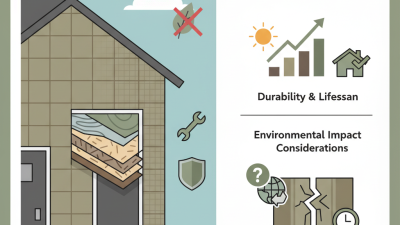
However, the environmental impact of composite cladding is not without its complexities. Some composites can degrade over time, leading to concerns about longevity. The breakdown products may not be as eco-friendly as the original materials. Buyers must inquire about the lifecycle of these products. Understanding the disposal and recycling options available is crucial. This requires manufacturers to offer transparency in their processes.
Yet, the market for sustainable materials is evolving rapidly. Continuous improvements in technology are creating better alternatives. As designs become more efficient, the sustainability of composite cladding is also likely to improve. It is essential for investors to stay informed about these changes. They should consider both environmental benefits and potential drawbacks.