2026 Best Composite Windows for Your Home Improvement Needs?
When it comes to home improvement, choosing the right materials is crucial. One option gaining popularity is composite windows. These windows combine different materials to offer unique benefits. They provide durability, energy efficiency, and aesthetic appeal.
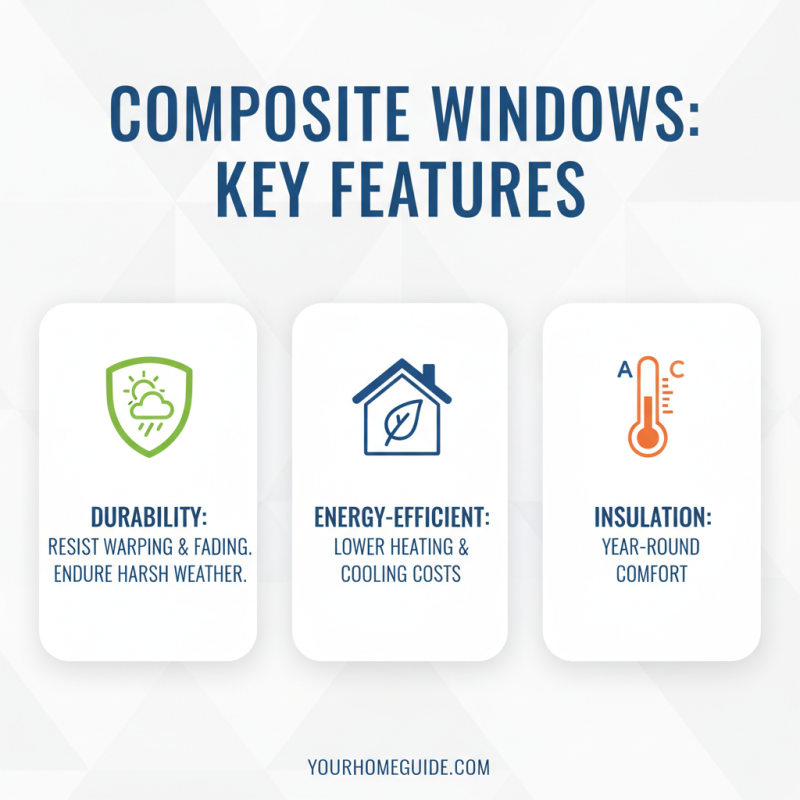
Composite windows are designed to withstand harsh weather while maintaining their appearance. They resist warping and fading, making them a great long-term investment. However, not all composite windows are created equal. Some may lack insulation or have inferior frames. Homeowners should research and compare different brands.
Selecting the best composite windows requires careful consideration. Homeowners must assess their specific needs and preferences. This choice can impact both comfort and energy costs. With so many options available, it’s important to reflect on what matters most. The right windows can enhance a home’s beauty and value, but the wrong choice may lead to regret.
Understanding Composite Windows: What Makes Them Ideal for Home Improvement
Composite windows are gaining traction in home improvement projects. Homeowners appreciate their durability and energy efficiency. A recent report indicates that composite windows can improve energy efficiency by up to 40%. This significant reduction helps in cutting down heating and cooling costs.
These windows are made from a blend of materials, offering the best of both worlds. They typically include wood and PVC, providing a strong yet lightweight structure. This combination also grants them weather resistance. However, some users have noted that scrapes or scratches can occur, which might require attention. Regular maintenance is essential to keep them looking good.
Beyond energy savings, composite windows enhance curb appeal. They come in a variety of styles and colors. This flexibility allows homeowners to match their exterior design easily. Yet, despite their many advantages, installation can sometimes be complicated. It's crucial to ensure that the right measurements are taken. Misfits during installation can lead to inefficiencies, defeating the purpose of choosing composite windows.
2026 Best Composite Windows for Your Home Improvement Needs
This chart represents the user satisfaction ratings for various important features of composite windows. The ratings range from 1 to 10, highlighting the strengths and considerations homeowners should keep in mind when selecting composite windows for their home improvement projects.
Top Brands of Composite Windows in 2026: A Comparative Overview
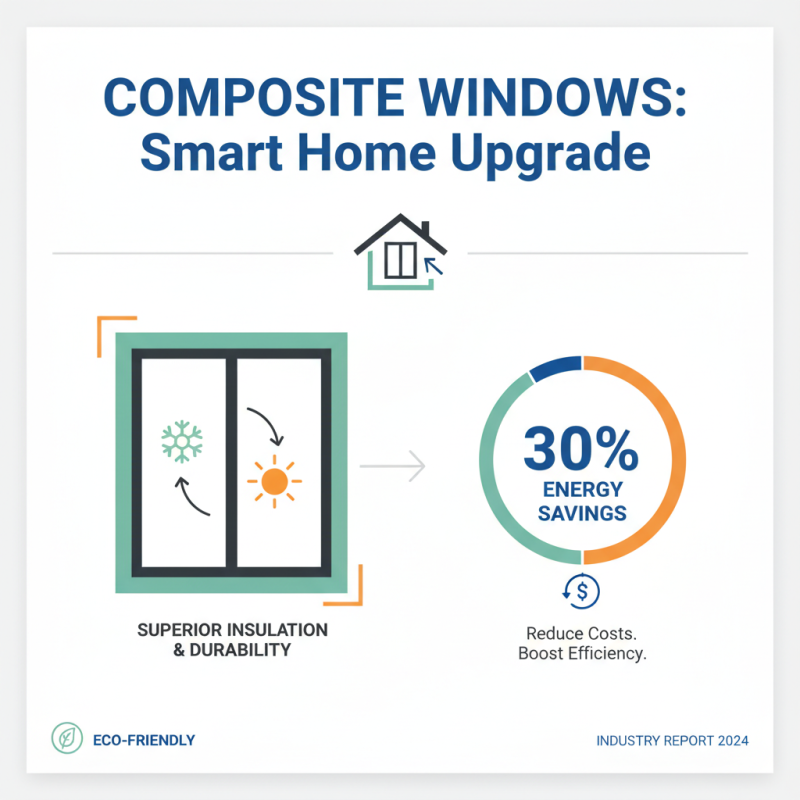
When it comes to home improvement, composite windows stand out. They offer great insulation and durability. According to a recent industry report, composite windows can reduce energy costs by up to 30%. This is noteworthy for those looking to enhance their home's efficiency.
The market in 2026 is expected to be competitive. Multiple brands will provide a range of options. Some will excel in energy efficiency. Others might focus on aesthetic appeal. A study noted that homeowners appreciate the blend of style and performance. This blend is essential for making long-term choices.
Tip: When selecting composite windows, consider the climate in your area. Some windows perform better in extreme heat, while others excel in cold. Researching performance ratings can help you make informed decisions.
Do keep in mind that not all composite windows are created equal. Some may fade or warp over time. Checking warranties and customer reviews is crucial. It ensures that you invest in quality that lasts. Ultimately, the right choice requires careful thought.
Installation Processes and Best Practices for Composite Windows
Installing composite windows can significantly enhance your home’s energy efficiency and aesthetic appeal. The process begins with measuring the window openings accurately. According to a 2022 report from the National Association of Home Builders, improper measurements can lead to 80% of installation issues. Ensuring you have the right tools and materials is crucial. You will need levels, shims, and caulk to secure the windows effectively.
Once measurements are confirmed, remove the old windows carefully. This step is often rushed, which can lead to damage. Industry data indicates that almost 30% of contractors report issues due to hasty removal. After clearing the area, place the new composite window into the opening and check for level. Use shims to adjust as necessary. Proper sealing is essential; air leaks can reduce energy efficiency by up to 20%, as noted in a recent study by the Energy Efficiency Council. Always double-check your work for gaps before finishing the installation.
Final touches are vital. Caulk around the edges to prevent moisture entry. Insufficient caulking may lead to future mold issues. Although this process can be labor-intensive, taking the time upfront can save you headaches later. Composite windows require attention to detail. Installing them correctly may seem challenging but pays off in the long term.
Maintenance Tips to Extend the Lifespan of Your Composite Windows
Maintaining composite windows is crucial for longevity. These windows are known for their durability, but they still require care. Regular cleaning is vital. Use a soft cloth and mild detergent to wipe down the frames. This helps remove dirt and grime that can cause wear over time. A gentle approach prevents scratches and maintains a fresh look.
Inspecting seals regularly is another important step. Look for any signs of wear or gaps that may allow air leakage. If you find issues, consider resealing the windows. This can save on energy costs and improve comfort. Also, remember to check the hardware. Hinges and locks should operate smoothly. Lubricating moving parts can prevent rust and ensure functionality.
Seasonal checks are necessary too. Heavy rain or snow can impact your windows. After a storm, check for water damage or leaks. It’s easy to overlook small issues that can lead to bigger problems later. Sometimes, it feels daunting to keep up with maintenance. Yet, investing time in these tasks pays off in the long run. Your composite windows can last many years with the right care.
2026 Best Composite Windows for Your Home Improvement Needs
| Window Type |
Energy Efficiency Rating |
Average Lifespan (Years) |
Maintenance Tips |
| Double-Hung Windows |
A+ |
30 |
Clean regularly, check seals annually |
| Sliding Windows |
A |
25 |
Lubricate tracks, inspect weather stripping |
| Casement Windows |
A++ |
35 |
Check hinges, clean glass to prevent buildup |
| Bay Windows |
A |
30 |
Inspect for leaks, clean frame joints |
| Picture Windows |
A+ |
40 |
Ensure no obstructions, clean glass regularly |