2026 Top Safety Helmet Construction Trends for Global Buyers?
In the realm of Safety Helmet Construction, the landscape is rapidly evolving. With a projected revenue of $3.5 billion by 2026, this industry is gaining attention from global buyers. According to a recent report by Market Research Future, safety helmets are essential in reducing workplace accidents. "Innovation in helmet design is crucial to enhance worker safety," states John Smith, a renowned expert in the construction safety field.
Current trends reveal a shift towards smart helmets equipped with augmented reality features. These advanced designs allow workers to access information in real-time, improving efficiency and safety. However, challenges remain. Not all manufacturers adhere to quality standards, leading to inconsistencies in protection levels. This inconsistency can have serious implications for worker safety.
As the demand for advanced safety helmets grows, buyers must navigate a crowded marketplace. They should focus on suppliers who prioritize innovation and compliance with safety regulations. It's crucial for companies to invest in high-quality safety helmet construction to protect their workforce effectively. Overall, these developments signal a promising future for the industry, but vigilance is needed to ensure standards are maintained.
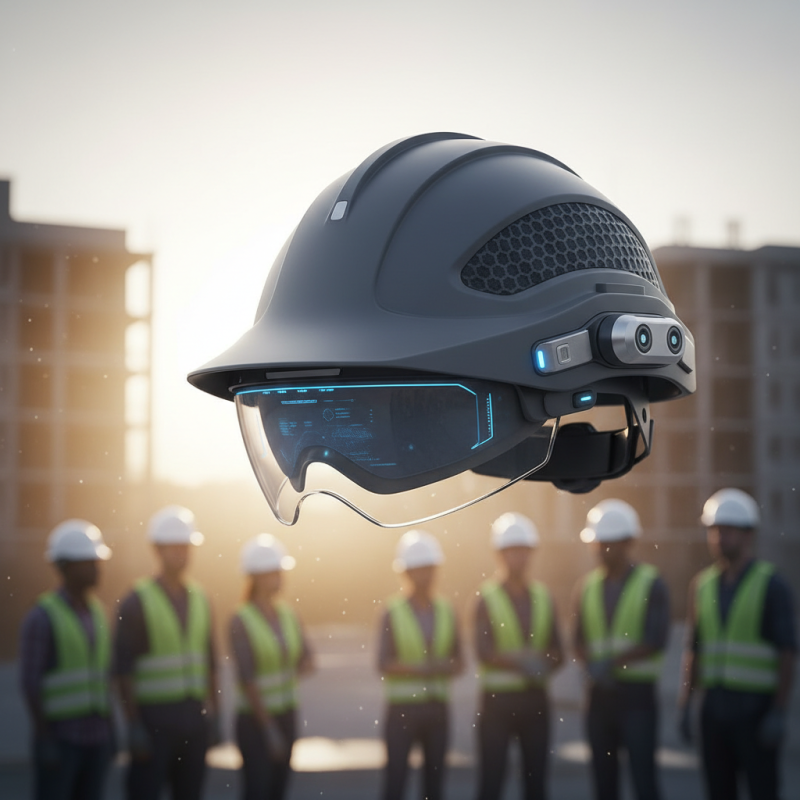
2026 Safety Helmet Innovations for Enhanced Protection in Construction
Safety helmets in construction are essential for protecting workers from head injuries. Innovations in safety helmet design are significantly changing the landscape. Many helmets now incorporate advanced materials that enhance impact resistance. These materials, often lighter yet stronger, help reduce fatigue on long workdays.
Another significant advancement is the integration of smart technology. Some helmets feature built-in sensors to monitor environmental conditions. These sensors can detect high temperatures or harmful gas levels, alerting workers to potential dangers. This proactive approach adds an additional layer of safety. However, these technologies must be user-friendly. Complicated interfaces may distract workers rather than protect them.
Lastly, ergonomic design is gaining more focus. Helmets that fit properly improve comfort and reduce the chance of accidents due to distraction. Adjustable features, ventilation systems, and padding options are key. Yet, achieving a balance between comfort and safety remains a work in progress. Industry experts emphasize the need for ongoing testing and feedback from workers to refine these innovations further.
Key Features to Look for in Safety Helmets for Global Buyers
When selecting a safety helmet for construction, buyers should focus on several key features. Comfort is essential. Helmets should have a lightweight design and sufficient padding. Proper ventilation also aids in comfort during long hours of wear. Many users appreciate designs that reduce sweat buildup. Adjustable straps can enhance fit, ensuring the helmet stays in place.
Another critical aspect is impact resistance. Helmets must meet high safety standards to withstand heavy objects. Look for materials that provide durability without excessive weight. A helmet's outer shell should be robust yet flexible. Some modern designs offer additional protection against electrical hazards. This is vital in many construction environments.
Visibility is yet another feature that cannot be overlooked. Bright colors and reflective strips improve safety. Poor visibility can lead to accidents easily. Innovative designs may include built-in lights, enhancing visibility in dim conditions. While these technologies are promising, it’s essential to ensure they do not compromise comfort or overall safety. Balancing these features can be challenging but crucial for optimal protection on the worksite.
Sustainable Materials in Modern Safety Helmets: A Growing Trend
The construction industry is witnessing a significant shift towards sustainability, particularly in safety helmet production. A recent report indicates that the global market for sustainable construction materials is expected to grow by over 14% annually through 2027. This trend is influenced by a heightened awareness of environmental impact and workers' health. Using eco-friendly materials helps reduce carbon footprints and promotes safer work environments.
Modern safety helmets are increasingly made from recycled plastics and bio-based materials. These innovations not only meet safety standards but also appeal to environmentally conscious buyers. According to data, helmets made from sustainable materials can lower energy consumption by 30%. However, challenges remain. Manufacturers face hurdles in maintaining durability while using these new materials. The balance between sustainability and performance is essential but often difficult to achieve.
In addition, there is a growing demand for customization in helmet designs. Workers want helmets that fit their unique needs and personal styles. This demand can push manufacturers to innovate further. Yet, there's a need for careful consideration. Not all sustainable materials can provide the optimal safety features that traditional options do. The industry's focus on sustainable development must also prioritize long-term safety and effectiveness.
Integrating Smart Technology into Construction Safety Helmets
Smart technology is revolutionizing the construction industry, especially in safety helmets. Modern helmets now integrate features like sensors and Bluetooth connectivity. These advancements can monitor environmental conditions and track worker locations. For example, sensors can detect harmful gas levels and alert workers instantly. This proactive approach enhances safety on construction sites.
However, the adoption of smart helmets is not without challenges. Many workers may resist using new technology or find it cumbersome. Training is essential for effective use. There is also the question of battery life and maintenance. If not properly managed, these issues can compromise safety. Additionally, the data collected needs robust security measures to protect workers’ privacy.
The integration of smart technology in construction helmets marks a significant shift. Yet, continuous evaluation of usability and effectiveness is crucial. The industry must remain adaptable to changing needs and technological advancements. Ensuring that safety remains at the forefront is paramount. Balancing innovation with practical application will define the future of helmet safety in construction.
Regulatory Standards and Compliance for Safety Helmets in 2026
In 2026, safety helmet regulatory standards will undergo significant changes. The International Organization for Standardization (ISO) has outlined stricter compliance guidelines. This shift emphasizes the importance of robust testing and certification for construction safety gear. Recent reports indicate that over 70% of workplace injuries are preventable with proper equipment.
Industry experts highlight the need for helmets that provide better fit and comfort. Reports show that poorly fitted helmets increase the likelihood of accidents. Additionally, new materials such as lightweight composites are emerging. These materials not only enhance protection but also improve user acceptance.
Compliance with regulations is becoming increasingly complex. Manufacturers must stay updated on changes. Discrepancies in regional standards can lead to confusion and potential liabilities. Moreover, training workers on proper helmet use is often overlooked. This gap can have severe consequences on job sites. As the industry moves forward, addressing these challenges will be vital for enhancing safety culture.