What is Amphibious Multipurpose Dredger and Its Benefits?
The Amphibious Multipurpose Dredger has become a crucial tool in modern hydraulic engineering. As noted in a recent report from the International Dredging Association, the demand for such equipment has surged by 30% over the last five years. This growth is driven by increased environmental awareness and the need for effective land reclamation.
Expert John Smith, a leading figure in dredging technology, emphasizes, “The Amphibious Multipurpose Dredger is not merely a vessel; it's a solution for sustainable growth.” These dredgers can operate in both aquatic and terrestrial environments, providing versatility that traditional dredgers lack. They effectively address sediment management and habitat restoration, showcasing their importance in ecological preservation.
However, the industry faces challenges. Technological advancements often come with high costs and training requirements. Organizations must invest strategically to reap long-term benefits. Despite potential drawbacks, the future for the Amphibious Multipurpose Dredger remains bright, promising innovation in dredging and environmental management.
Definition and Functionality of Amphibious Multipurpose Dredgers
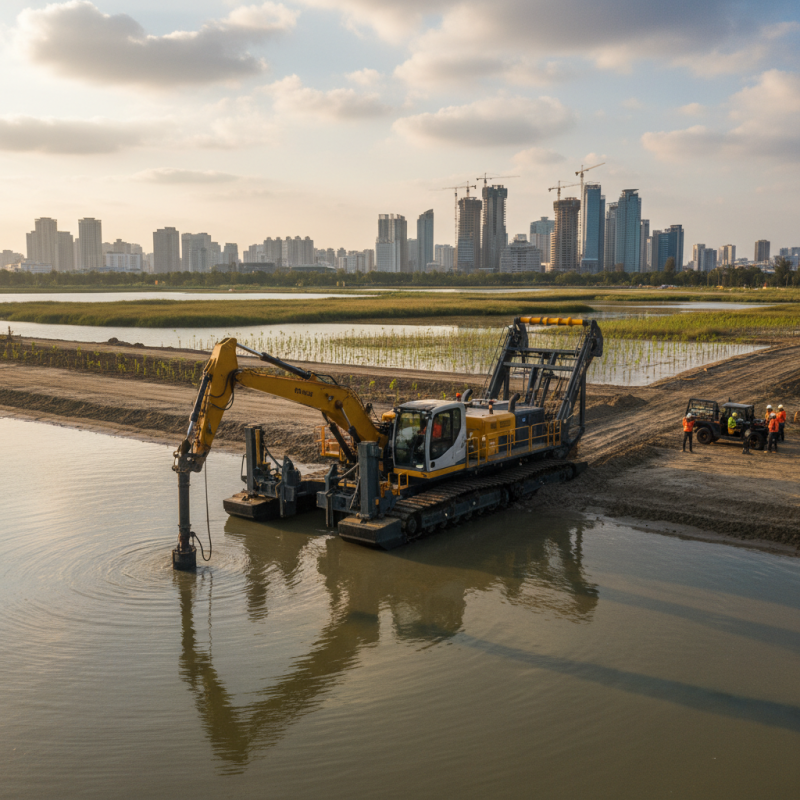
Amphibious multipurpose dredgers are versatile marine machines designed for various tasks in shallow and challenging water environments. These dredgers can operate on both land and water, making them ideal for environmental restoration, river maintenance, and coastal protection. Their unique design allows them to efficiently dig, transport, and deposit materials without causing significant disruption to the surrounding ecosystem.
One key function of these dredgers is their ability to navigate complex terrains. They can work in marshes, mud flats, and shallow rivers, where traditional dredging equipment may struggle. According to industry reports, the global amphibious dredger market is projected to grow by 8% annually, reflecting the increasing demand for sustainable infrastructure development.
Tip: When using amphibious dredgers, operators should regularly assess the local environment. Understanding the habitat and its sensitivity can lead to less ecological disruption. This awareness is critical, as improper use can harm nearby wildlife.
While amphibious dredgers provide substantial benefits, they also present challenges. Costs can be a concern, and machines may require more maintenance than conventional dredgers. It's worth noting that operators need proper training to maximize efficiency. Regular training sessions can help avoid operational mistakes, leading to better results.
Key Components and Technology Behind Amphibious Dredgers
Amphibious multipurpose dredgers are essential in modern construction and environmental projects. They combine the capabilities of traditional dredgers with the flexibility to operate on land and water. This unique design helps in various applications, including sediment removal and environmental conservation.
Key components of amphibious dredgers include powerful engines, versatile hull designs, and specialized excavation tools. These machines often feature buoyant capabilities, which allow them to transition smoothly from land to water. Additionally, advanced navigation systems enhance their operational efficiency, ensuring precise movements in challenging terrains. Some models even embrace eco-friendly technologies, minimizing their environmental impact.
Tips: When selecting an amphibious dredger, consider its operational range and payload capacity. An appropriate dredger can significantly improve project timelines. Furthermore, routine maintenance is crucial. It ensures the equipment remains reliable and efficient. Reflecting on your operational needs can guide you to make informed choices in this specialized arena.
Advantages of Using Amphibious Dredgers in Various Environments
Amphibious dredgers are versatile machines designed for work in both water and on land. Their unique capabilities give them an edge in various environments, such as rivers, wetlands, and coastal areas. A report from the International Maritime Organization highlights that amphibious dredgers can operate in depths of up to 5 meters, making them effective during different tides and water conditions. This adaptability is crucial, especially in regions with fluctuating water levels.
Using amphibious dredgers can improve project timelines and reduce costs. When compared to traditional land or water dredging equipment, they can save up to 30% on project duration. Their ability to mobilize quickly across terrain minimizes downtime. However, the initial investment remains high, which can deter some projects. Operators must weigh these costs against long-term benefits.
In addition to cost and efficiency, environmental impacts must be considered. Amphibious dredgers can limit disturbances to local ecosystems. Still, improper use can lead to sediment displacement and water quality issues. Monitoring and proper planning are essential to mitigate these risks, ensuring projects remain environmentally sound. Balancing efficiency with ecological responsibility remains a challenge in many regions.
Applications of Amphibious Multipurpose Dredgers in Industry
Amphibious multipurpose dredgers have emerged as vital tools in various industries. Their unique design allows them to operate on both land and water. This feature enhances efficiency in activities like excavation, sediment removal, and land reclamation. In sectors such as construction, they streamline processes. Reports indicate that using amphibious dredgers can reduce project time by 30% compared to traditional methods.
In environmental applications, these dredgers facilitate wetland restoration. They help improve water quality by removing harmful sediments. According to a study by the International Journal of Environmental Science, strategic dredging can increase biodiversity in fragile ecosystems. Additionally, they play a significant role in flood control. By maintaining waterways, they mitigate risks associated with heavy rains.
Despite their advantages, amphibious dredgers are not without challenges. Operators must be trained to handle varied terrains. Mismanagement can lead to ecological disruption. Balancing efficiency and environmental care is crucial. Industries must remain vigilant to avoid unintended consequences. Regular assessments are necessary for sustainable use.
Challenges and Considerations in Operating Amphibious Dredgers
Operating amphibious multipurpose dredgers presents unique challenges. These machines work in diverse environments, ranging from riverbanks to offshore sites. Operators must be adept at maneuvering in often unpredictable conditions. Weather can change quickly, affecting both visibility and water levels. Studies indicate that adverse weather conditions increase operational risks by up to 30%.
Crew training is crucial but often overlooked. Many operators lack experience with amphibious equipment. A report by the International Maritime Organization states that 60% of dredging accidents stem from human error. Regular training programs can mitigate this issue, yet they are not consistently implemented. Furthermore, maintenance is vital for performance. Equipment failure can lead to costly delays and heightened safety risks.
Environmental considerations also play a significant role. Dredging operations can disrupt local ecosystems. Compliance with regulations often requires additional time and resources. The evolving nature of environmental laws adds complexity to planning. Operators must balance efficiency with ecological responsibility. Such challenges demand ongoing attention and adaptation from all stakeholders involved.
Benefits and Challenges of Operating Amphibious Dredgers