Top Benefits of PVC Lightweight Conveyor Belts for Global Buyers?
The global conveyor belt market is witnessing a significant shift, with PVC lightweight conveyor belts gaining prominence among buyers. According to a recent report by MarketsandMarkets, this sector is projected to reach $8.07 billion by 2025, illustrating a robust demand for efficient and versatile conveyor solutions. Industry expert Dr. James Lee states, "The adaptability of PVC lightweight conveyor belts makes them indispensable in various applications."
These belts are favored for their ease of handling and efficient transport capabilities. Their lightweight nature reduces energy consumption and wear on machinery, enhancing overall operational efficiency. However, challenges remain, such as the need for better material durability in harsh environments. Buyers must consider these factors when sourcing their conveyor belt solutions. Finding the right balance between quality and cost is crucial for long-term success in any operation.
In conclusion, PVC lightweight conveyor belts present key benefits that attract global buyers. However, it is essential to reflect on both their advantages and potential limitations. Only then can businesses make informed decisions that align with their operational goals.
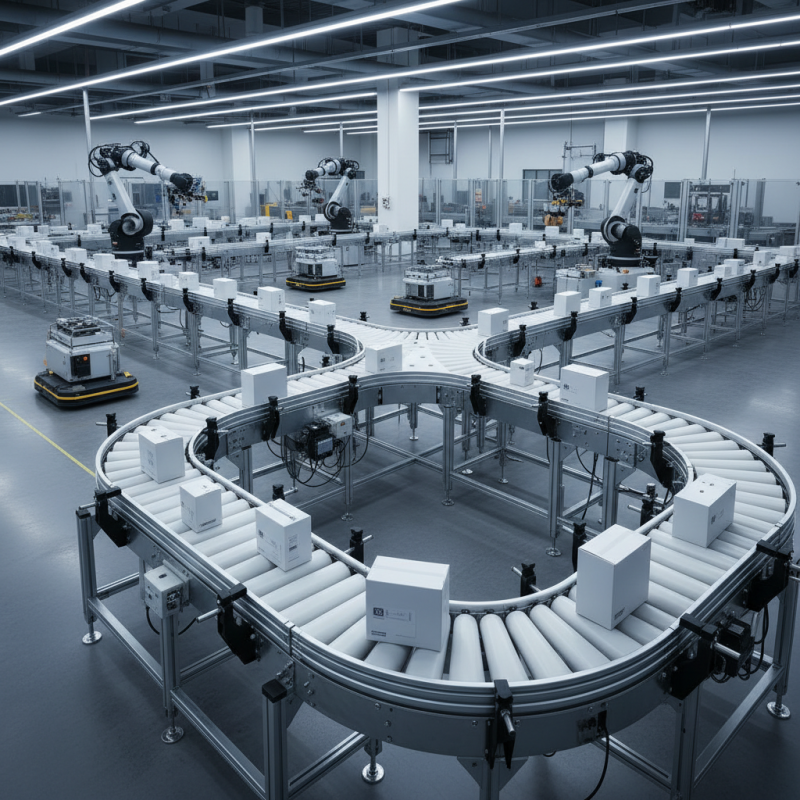
Key Advantages of PVC Lightweight Conveyor Belts in Industries
PVC lightweight conveyor belts offer significant advantages across various industries, showcasing their versatility and efficiency. These belts are known for their low weight, making them easy to handle and install. This reduces operational costs and labor requirements. In manufacturing, their compact design streamlines processes, allowing for quicker assembly lines and minimizing downtime.
Another crucial aspect is their durability. Unlike traditional belts, PVC ones resist wear and tear. They can withstand abrasive materials, extending their lifespan. This reliability leads to fewer replacements, ultimately saving money for businesses. Additionally, PVC belts are available in various thicknesses, allowing companies to choose the best fit for their specific needs.
However, it's essential to acknowledge that not every industry may benefit equally from PVC lightweight belts. Certain heavy-duty applications may require stronger materials. Businesses need to assess their operations carefully before making a switch. Like any product, there are trade-offs to consider. Balancing cost, performance, and durability is key to optimizing conveyor operations.
Enhanced Durability and Longevity of PVC Conveyor Belts
PVC lightweight conveyor belts are becoming increasingly popular in various industries. Their enhanced durability and longevity make them a practical choice for global buyers. These belts resist wear and tear, especially in demanding environments. They can withstand heavy loads and rough handling. Users often find they last significantly longer than traditional conveyor belts made from other materials.
Tips: Always consider the specific conditions of your operations. If your environment involves chemicals or extreme temperatures, PVC belts are often adaptable. Regular testing for wear can help prolong their life.
Additionally, the flexibility of PVC materials enables easier installation. They can be made in various widths and lengths, catering to different operational needs. This adaptability adds to their appeal. However, it’s important to assess the compatibility with your machinery. Some users have experienced issues when using incompatible components.
Choosing PVC conveyor belts not only supports efficiency but also sustainability. Their longevity reduces the need for frequent replacements. This can decrease material waste over time. However, be aware that not all PVC belts are created equal. Conduct thorough research to ensure you are selecting a belt that meets your operational demands.
Cost-Effectiveness of PVC Lightweight Conveyor Belts for Buyers
PVC lightweight conveyor belts are gaining popularity due to their cost-effectiveness. Buyers often look for ways to reduce operational costs without compromising quality. These conveyor belts are not only lightweight but also affordable. The material used is durable, ensuring they last longer than traditional belts. This longevity translates to fewer replacements, saving money in the long run.
Another aspect to consider is maintenance. PVC lightweight conveyor belts generally require less upkeep. This lowers the overall operational costs. They tend to resist wear and tear better than heavier alternatives, which can lead to significant savings. Buyers should consider the initial investment against potential long-term benefits. A lower upfront cost may seem attractive, but higher maintenance fees can add up quickly.
While these belts offer many advantages, not all options may meet specific needs. It's essential for buyers to assess their requirements thoroughly. Not every lightweight solution will be suitable for every application. Understanding limitations and advantages ensures better decision-making. Careful consideration can lead to smarter investments and enhanced operational efficiency.
Top Benefits of PVC Lightweight Conveyor Belts for Global Buyers
Applications of PVC Lightweight Conveyor Belts Across Various Sectors
PVC lightweight conveyor belts are transforming various industries with their unique applications. In food processing, for instance, these belts adhere to strict hygiene standards. They facilitate quick transitions between fabrication processes, ensuring timely deliveries. Simple designs allow for easy cleaning, vital in maintaining food safety.
In the packaging sector, PVC belts support efficient movement of products. They enhance production rates while keeping goods secure during transport. This can be crucial for sensitive items like glass bottles or electronics. However, it’s essential to consider the environmental impact of PVC, as it raises important questions about sustainability.
Additionally, warehouse operations benefit from lightweight conveyors. They reduce physical strain on workers. Such belts enable easy adjustments and configurations for different tasks. However, improper setup can lead to inefficiencies. Companies must continually assess their systems to optimize performance and address any issues that arise.
Top Benefits of PVC Lightweight Conveyor Belts for Global Buyers
| Benefit | Description | Applications | Industries |
| Lightweight | Easier handling and installation, reducing labor costs. | Material transport | Manufacturing, Warehousing |
| Durability | Resistant to wear and tear, resulting in longer lifespan. | Heavy-duty transport | Mining, Food processing |
| Versatility | Can be used in a variety of environments and setups. | Sorting systems | Logistics, Pharmaceuticals |
| Cost-Effective | Low maintenance costs and energy-efficient operation. | Freight handling | Retail, Automotive |
| Customizable | Available in various sizes, colors, and configurations. | Belt configurations | Construction, Electronics |
Environmental Impact and Sustainability of PVC Conveyor Belts
PVC lightweight conveyor belts offer notable advantages regarding sustainability and environmental impact. These belts are becoming popular due to their lighter weight. This feature allows for reduced energy consumption during transport. Lower energy usage leads to fewer carbon emissions, which is critical in today's eco-conscious market.
The production of PVC conveyor belts has its environmental concerns. Manufacturing processes can involve harmful chemicals. However, advancements in technology have made it possible to minimize these impacts. Many producers are adopting eco-friendly practices, which can reduce waste and improve recycling rates. For global buyers, understanding these processes is essential when selecting materials.
Additionally, PVC conveyor belts boast an extended lifespan. This durability reduces the frequency of replacements, conserving resources over time. It's important for buyers to consider the entire lifecycle of their products. Reflecting on the balance between low initial costs and long-term sustainability can lead to better purchasing decisions. Engaging with suppliers who prioritize sustainable practices enhances the overall impact on the environment.