Top 10 Benefits of Using Freezer Panels for Your Business?
In the competitive landscape of the food and pharmaceutical industries, the efficiency of temperature control can significantly impact business operations. According to a report by Cold Storage Association, the use of freezer panels has increased by 35% in the last five years. This growth highlights their crucial role in maintaining product integrity. "The proper insulation of freezer panels ensures minimal energy loss and consistent product quality," states Dr. Emily Chen, a noted expert in thermal efficiency.
Freezer panels not only enhance energy efficiency but also optimize storage space. By improving thermal performance, businesses can lower energy costs and reduce waste. Yet, some companies still underestimate the value of investing in high-quality panels. Poor insulation can lead to temperature fluctuations and spoilage of perishable goods. Striking the right balance between upfront costs and long-term benefits is vital.
Investing in freezer panels is not merely a choice; it's a necessity for businesses aiming to thrive. Recent statistics suggest that companies using efficient insulation save up to 30% on their energy bills. However, the challenge remains for businesses to continuously evaluate and upgrade their infrastructure to meet evolving standards.
Understanding Freezer Panels and Their Role in Businesses
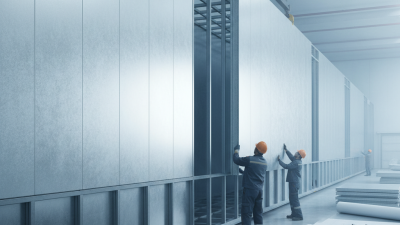
Freezer panels play a crucial role in businesses requiring temperature-sensitive storage. These insulated panels maintain consistent cold environments. They prevent temperature fluctuations, which can affect food quality or pharmaceuticals. Many businesses rely on these panels for efficiency and cost savings over time.
When installed correctly, freezer panels can enhance energy efficiency. They minimize energy loss and reduce operating costs. Proper installation is vital, as any gaps can lead to unnecessary temperature changes. Business owners must consider the potential issues that arise from poor installation. A small oversight can affect product quality and increase operational costs.
While the benefits are clear, not all freezer panels are created equal. Some may not provide the expected insulation. It's important to thoroughly research your options. Seek expert advice when making a decision. A well-informed choice ensures reliability and efficiency in your business’s operations. Finding a balance between cost and quality requires careful thought. Making the wrong choice can lead to regret and additional expenses down the line.
Energy Efficiency: How Freezer Panels Reduce Energy Costs
Freezer panels are becoming essential for modern businesses, especially in the food and logistics sectors. These panels are designed to maintain temperature efficiently, minimizing energy consumption. With a well-insulated environment, businesses can notably cut down their energy costs. Reduced energy usage not only improves the bottom line but also lessens the environmental footprint. Many operators find they can save substantial amounts on their monthly bills.
Energy efficiency is at the core of freezer panel technology. The robust insulation prevents cold air from escaping and keeps warm air out. A well-designed freezer room can help maintain the desired temperature with less energy. However, some may underestimate the importance of regular maintenance. Without proper upkeep, energy efficiency can decline. Businesses should routinely check for seals and insulation integrity.
While freezer panels deliver clear benefits, achieving optimal performance requires a thoughtful approach. Factors like installation quality and material choice play significant roles. Sometimes, the initial setup might seem tedious, but its impact on long-term savings is undeniable. It's crucial to reflect on these elements to harness full efficiency and ensure sustainable operations.
Enhanced Temperature Control with Freezer Panels
Freezer panels are essential for businesses requiring temperature control. They efficiently maintain low temperatures, which is crucial for food safety and product longevity. According to a report by the International Institute of Refrigeration, improper temperature maintenance costs the food industry billions annually in spoilage and waste. Utilizing high-quality freezer panels can significantly reduce these losses.
The design of freezer panels allows for enhanced thermal insulation. The materials used are engineered to minimize heat transfer. Cold storage facilities with insulated panels can save energy costs by over 20%, as stated in a study published by the U.S. Department of Energy. This reduction is not only beneficial for the bottom line but also for sustainability, as it lowers the carbon footprint of operations.
However, relying solely on freezer panels has its drawbacks. They require proper installation and maintenance to function effectively. If not installed correctly, they can lead to cold spots, affecting product quality. Regular checks are necessary to ensure panels maintain their integrity, which can be overlooked in busy operations. Businesses must remain vigilant in managing these systems to realize their full benefits.
Improved Product Longevity Through Controlled Environments
Maintaining product quality is paramount for businesses dealing with perishable goods. Improved product longevity is achievable through controlled environments created by freezer panels. These panels provide insulation that drastically reduces temperature fluctuations. When products are stored in stable conditions, their shelf life significantly increases. This stability helps in preserving flavor, texture, and nutrients, which are vital for customer satisfaction.
Freezer panels allow for precise temperature control. This technology minimizes freezer burn and spoilage. Many businesses struggle with inconsistent temperatures, leading to waste and loss. Investing in high-quality freezer panels can mitigate these issues. It ensures that products are stored at optimal temperatures. This not only supports better inventory management but also can enhance the business’s reputation.
However, effective insulation is not the only factor to consider. Proper maintenance of the panels and cooling systems is necessary to uphold their efficacy. A neglected cooling system can lead to failures. It’s essential to regularly inspect and maintain these systems to ensure they consistently provide controlled environments. A proactive approach can lead to improved operational efficiency and reduced costs over time.
Cost-Effectiveness of Implementing Freezer Panels in Operations
Freezer panels offer significant cost benefits for businesses, especially in maintaining temperature-critical environments. These panels are energy-efficient, reducing utility costs over time. When implemented correctly, they retain cold air effectively, leading to less energy expenditure. This efficiency translates into lower operating costs, making freezer panels a financially sound choice.
Investing in high-quality freezer panels can lead to long-term savings. The panels are durable and require minimal maintenance. This durability means businesses spend less on repairs and replacements. Choosing the right insulation materials enhances efficiency. Poor insulation can lead to increased energy loss, highlighting the need for careful selection.
Training staff on best practices for using freezer panels can also save money. Improper use can compromise the system's effectiveness. Regular assessments help identify areas for improvement. This reflection can enhance operational efficiency. While freezer panels represent an upfront investment, the overall cost-effectiveness for businesses cannot be overlooked. They provide a tangible way to optimize operations while managing expenses effectively.