Best Building Cladding Options for 2026 What to Know?
In the ever-evolving construction landscape, choosing the right building cladding is essential. The global building cladding market is projected to reach USD 300 billion by 2026, as per recent industry reports. This growth indicates the increasing emphasis on aesthetics and energy efficiency in architecture. Building cladding plays a crucial role in thermal performance and sustainability.
With various materials available, decision-makers must balance aesthetics and functionality. Options like wood, metal, and composite materials each come with unique benefits and drawbacks. Wood offers warmth but requires regular maintenance. Meanwhile, metals are durable yet can be susceptible to corrosion. Understanding these specifics ensures informed decisions lead to effective outcomes.
As we look forward to 2026, industry experts suggest a focus on innovative materials that enhance insulation and weather resistance. However, not all solutions deliver the expected performance over time. Reflecting on past materials, one realizes the importance of rigorous testing and research. Selecting the right building cladding can prevent costly renovations and ensure lasting impact.
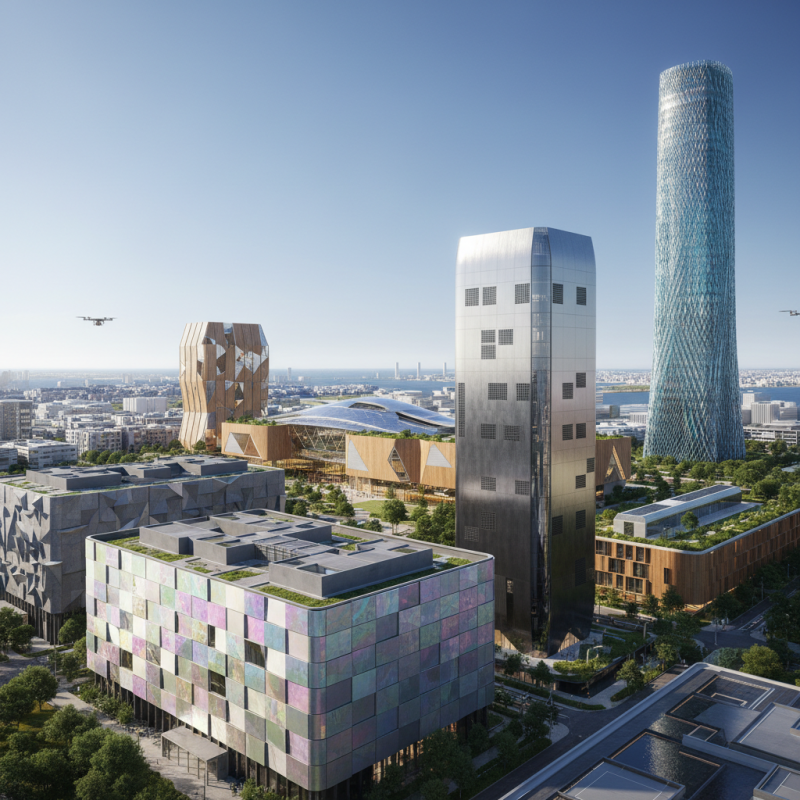
Factors Influencing Building Cladding Choices in 2026
As we approach 2026, the building industry is evolving rapidly. Several factors significantly influence cladding choices this year. Sustainability stands out as a primary concern. Reports indicate that over 75% of construction firms prioritize eco-friendly materials. Energy efficiency is crucial, too. Cladding options now must meet lower energy consumption standards, aligning with global climate goals.
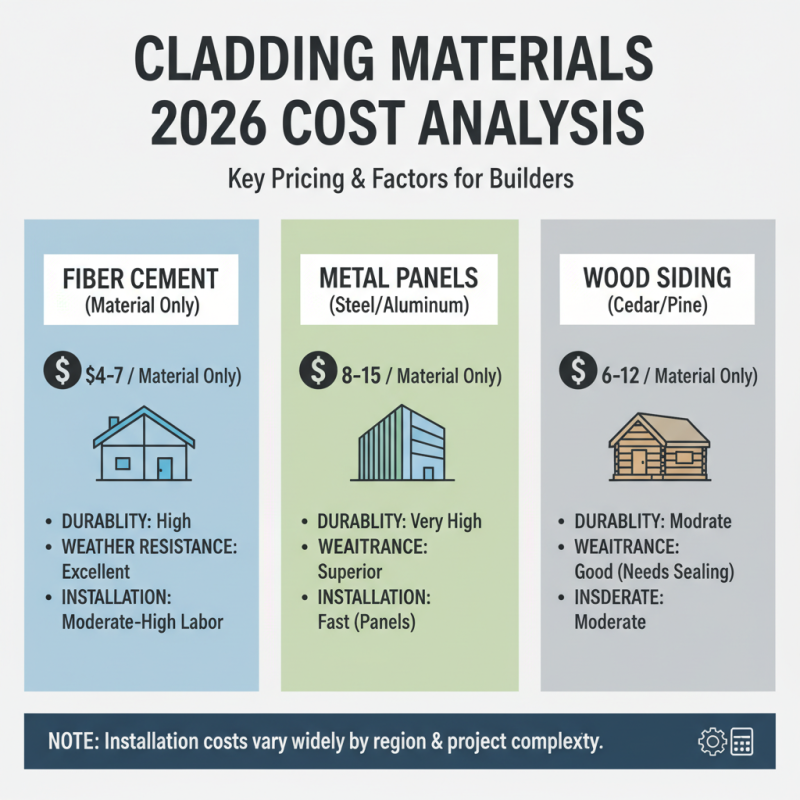
Cost remains a significant consideration. Material prices fluctuate, affecting budgets and project timelines. Many stakeholders seek balance between quality and affordability. On top of that, aesthetic appeal plays a vital role. Building owners want designs that attract attention and resonate with communities. The trend lean towards modern, minimalistic styles.
Tips: Consider the long-term benefits of investing in sustainable cladding. An upfront investment may yield savings in energy costs. Research local regulations; compliance can affect your cladding choices and project success. Lastly, engage with builders early in the process. Their insight can guide material selections that meet all necessary criteria while maintaining a strong visual impact.
Sustainable Cladding Materials for Eco-Friendly Construction
Sustainable cladding materials are key for eco-friendly construction. They reduce environmental impact and enhance energy efficiency. Many options exist today.
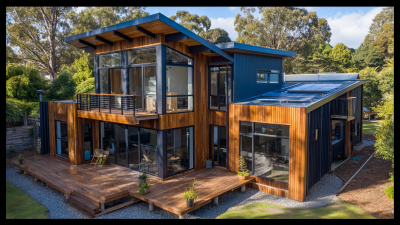
Reclaimed wood stands out for its aesthetic and low carbon footprint.
It adds warmth and character to buildings. However, sourcing it responsibly can be challenging.
Another notable choice is recycled metal. It boasts durability and requires less energy to manufacture.
This material is often overlooked in favor of traditional options. Yet, it can create striking façades.
The downside? It may not offer the insulation some regions need during extreme weather.
Moreover, consider natural stone. Stone is long-lasting and can be locally sourced.
It complements various architectural styles. But, its extraction can lead to significant environmental disruption.
Balancing aesthetic desires with ecological responsibility is crucial.
These materials push us to think critically about our choices in construction.
Durability and Maintenance Considerations for Cladding Options
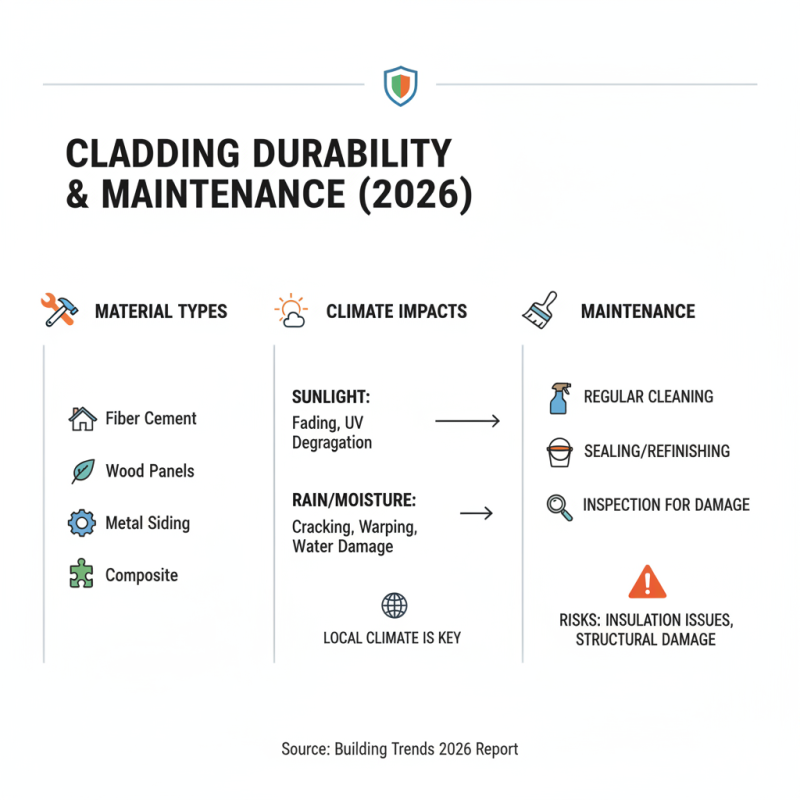
When choosing cladding options for buildings in 2026, durability is crucial. Different materials withstand various weather conditions. It’s vital to consider local climates. Some materials may fade under harsh sunlight, while others might crack in heavy rain. This leads to potential issues with insulation and water damage.
Maintenance costs also play a significant role. Some cladding requires frequent upkeep, which adds to expenses. For instance, wood may need regular staining or sealing. On the other hand, metal options may suffer from rust if not treated properly. These factors can greatly influence long-term value.
Building owners should reflect on aesthetics versus practicality. A beautiful facade might attract attention but could entail higher maintenance. Understanding the trade-offs helps in making informed choices. It’s essential to strike a balance between initial costs and long-term durability. What might look good now could become a burden later.
Innovative Aesthetic Trends in Building Cladding for 2026
As we look toward 2026, building cladding is evolving in exciting ways. Architects and designers are experimenting with textures and colors. Bold, oversized patterns are emerging as a popular choice. Natural materials like wood and stone are being reimagined. The goal is to create a dialogue between buildings and their environment.
Innovative ideas often come with challenges. For instance, incorporating sustainable practices can be complex. Balancing aesthetics with functionality poses difficult questions. Some designs may seem too avant-garde and could clash with local styles. Yet, these risks often yield the most memorable outcomes.
In this era, urban spaces demand more from cladding materials. The emphasis is on energy efficiency and climate resilience. Textiles are making a surprising comeback, offering versatility and warmth. Furthermore, interactive surfaces that respond to environmental changes are on the rise. Each of these choices can spark vibrant discussions about our communal identity.
Best Building Cladding Options for 2026 - Innovative Aesthetic Trends
| Cladding Material |
Durability (Years) |
Eco-friendliness |
Cost per Sq Ft |
Aesthetic Appeal |
| Fiber Cement |
50 |
High |
$3 - $6 |
Modern/Versatile |
| Metal Panels |
40 |
Medium |
$6 - $10 |
Industrial/Sleek |
| Wood Siding |
30 |
Medium |
$4 - $8 |
Natural/Warm |
| Stucco |
50 |
High |
$6 - $9 |
Classic/Artistic |
| Vinyl |
20 |
Low |
$2 - $4 |
Practical/Variety |