10 Best PVC Cladding Options for Your Home Improvement Needs?
In the realm of home improvement, PVC cladding has emerged as a favored choice for homeowners. According to industry expert John Anderson, "PVC cladding offers a beautiful and low-maintenance solution for any home." This innovative material combines aesthetic appeal with durability, making it ideal for various applications.
PVC cladding can mimic the look of wood or stone while remaining waterproof and resistant to rot. Homeowners appreciate the range of colors and textures available. However, not all PVC cladding is created equal. It's essential to choose high-quality products that can withstand the test of time. Many options may appear appealing at first glance but might lack the longevity needed for frequent use.
Understanding the best PVC cladding choices can significantly enhance your home’s value and visual appeal. It's crucial to weigh the advantages against potential drawbacks. Researching and selecting the right option can be a rewarding yet challenging process. Ultimately, it allows homeowners to express their style while staying practical.
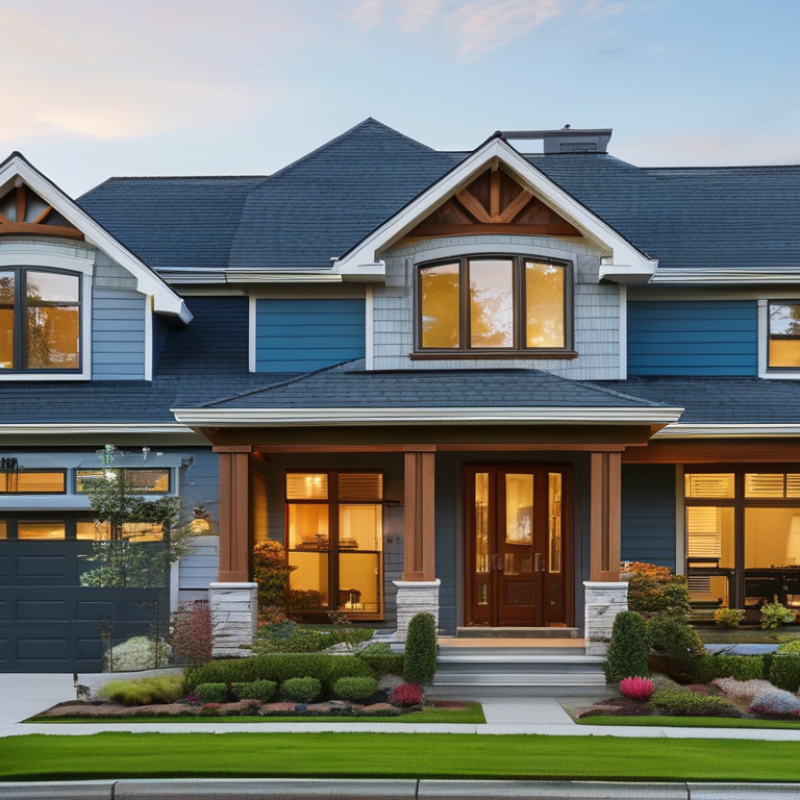
10 Benefits of Using PVC Cladding for Home Renovations
PVC cladding has gained popularity in home renovations due to its numerous benefits. One significant advantage is its durability. According to a recent industry report, PVC cladding can last up to 25 years with minimal maintenance. This longevity makes it a cost-effective option for homeowners aiming to improve their properties. Unlike traditional materials, PVC does not warp, crack, or fade easily, ensuring that your investment stands the test of time.
In addition to durability, PVC cladding is highly versatile. It comes in various colors and finishes, allowing homeowners to customize their spaces. This adaptability enables homeowners to achieve different aesthetics without compromising on quality. Furthermore, PVC has excellent insulation properties, which can lead to energy savings. A study from the Building Research Establishment highlights that homes with insulated cladding can reduce energy consumption by up to 30%. However, it’s crucial to consider installation techniques, as improper fitting can lead to issues down the line.
Sustainability is another critical aspect of PVC cladding. Most products are made from recycled materials and are fully recyclable themselves. This aligns with the growing demand for eco-friendly building materials. Although concerns about plastic waste exist, advancements in manufacturing are addressing these issues. Homeowners should remain informed and choose brands that prioritize environmental responsibility. Balancing aesthetics with sustainability can lead to thoughtful home improvements.
10 Best PVC Cladding Options for Your Home Improvement Needs
| Option | Material Type | Durability | Water Resistance | Design Variety | Cost Efficiency |
|---|---|---|---|---|---|
| Wood Grain PVC Cladding | PVC with wood texture | High | Excellent | Medium | Cost-effective |
| Smooth Finish PVC Cladding | Standard PVC | Very High | Good | High | Affordable |
| Textured PVC Cladding | PVC with texture | High | Excellent | Wide range | Moderate |
| Vinyl PVC Cladding | Vinyl coated PVC | Very High | Good | Limited | Cost-efficient |
| Foam PVC Cladding | Foamed PVC | Moderate | High | Decent | Moderately priced |
| Brushed PVC Cladding | Brushed finish PVC | High | Excellent | Various | Cost-effective |
| Solid PVC Cladding | Solid PVC material | Very High | Good | Wide Selection | Higher price |
| Recycled PVC Cladding | Recycled materials | High | Excellent | Limited options | Eco-friendly pricing |
| Shiplap PVC Cladding | Shiplap design PVC | High | Good | Classic Look | Moderate |
| Vertical PVC Cladding | Vertical panel design | High | Excellent | Modern | Cost-efficient |
Related Posts
-
Best PVC Cladding Options for Global Buyers in China?
-
Top Reasons to Choose PVC Cladding in 2025 for Your Home Improvement Needs
-
Innovative Composite Wall Cladding Solutions at the 2025 China Import and Export Fair
-
Transform Your Space with Innovative Wall Composite Cladding Solutions
-
Transform Your Space: The Ultimate Guide to Choosing PVC Wall Cladding for Modern Interiors
-

2025 Top Trends in Wall Cladding Composite for Modern Architecture