What is the Best Small Jam Jars Bulk for Your Business?
In the competitive world of food preservation, choosing the right packaging is crucial. For businesses looking to stand out, the option of "Small Jam Jars Bulk" presents a golden opportunity. Renowned industry expert Lisa Harper emphasizes, "Quality packaging can transform a simple product into a desirable brand." This highlights the importance of selecting jars that are not just functional but also appealing.
Small jam jars are versatile. They cater to artisanal producers and commercial operations alike. With the rise of homemade jams and gourmet products, bulk buying these jars can save costs while ensuring consistency. However, many businesses overlook potential challenges. Some jars may not seal properly or meet safety standards. It is essential to focus on quality to avoid product spoilage.
In exploring "Small Jam Jars Bulk," business owners must consider various factors. The size, material, and design of jars can influence customer perception. A well-chosen jar can enhance the user experience and foster brand loyalty. Taking time to research and reflect on the options available can lead to better choices.
Factors to Consider When Choosing Small Jam Jars for Bulk Purchase
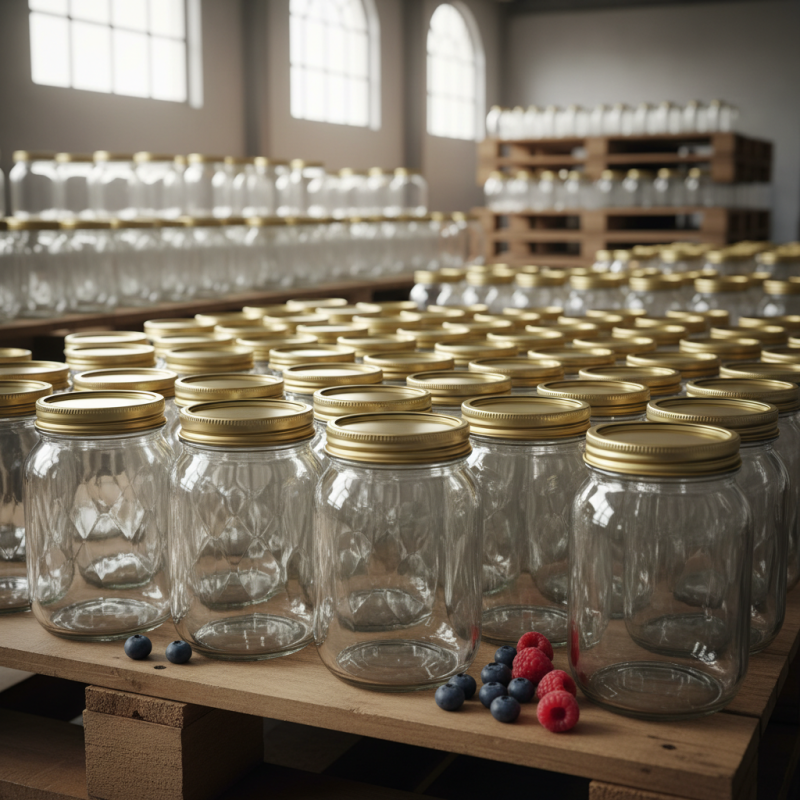
Choosing the right small jam jars for bulk purchase is crucial for any business. One key factor is the jar's size. Smaller jars are popular, but they need to hold enough product. Typically, 4 oz to 8 oz jars are great for consumers. They offer a balance between portion size and shelf presence.
Another important factor is the material. Glass jars often provide better preservation of flavors and aromas. However, plastic jars can be lighter and more shatter-resistant. Think about your distribution method. Is it safe to stack glass jars? If not, maybe plastic is a better option.
Labeling is essential as well. Jars should have enough space for your brand information and nutritional facts. Consider how your jars will look on shelves. A visually appealing design can draw customers in. Reflect on how your choices affect customer perceptions. Are you delivering a premium product or something more casual? This consideration can guide your selection of colors and designs.
What is the Best Small Jam Jars Bulk for Your Business?
| Feature | Consideration | Example Values |
| Material | Glass vs Plastic | Glass, BPA-Free Plastic |
| Size | Volume & Dimensions | 4 oz, 8 oz |
| Lid Type | Screw Cap vs Flip Top | Screw Cap, Airtight Lid |
| Bulk Purchase Options | Minimum Order Quantity | 50 jars, 100 jars |
| Customization | Labels and Designs | Custom Labeling Available |
| Price Range | Cost per Jar | $0.30 - $1.00 |
| Shipping Options | Domestic vs International | Standard Shipping, Express Options |
Types of Small Jam Jars Available in the Market
Choosing the right small jam jars can significantly impact your business. The market offers a variety of options. Glass jars are popular due to their aesthetic appeal and ability to showcase colorful jams. According to a recent industry report, glass packaging represented over 28% of the global jam container market in 2022. Consumers appreciate the eco-friendly nature of glass. However, breakage during transport can be a concern.
Plastic jars are another viable option. They are lightweight and shatterproof, making them ideal for businesses that prioritize durability. Recent studies indicate that plastic packaging accounts for about 40% of the market share in food containers. While plastic is more affordable, its environmental impact raises questions. Balancing cost with sustainability is a challenge many businesses face.
Another type includes vintage-style jars, which attract consumers looking for a nostalgic experience. These jars can enhance brand storytelling and create a unique selling point. However, their higher cost can limit margin profitability. As you consider options, think of local preferences and market trends. Each type has distinct advantages and drawbacks that need careful evaluation.
Comparing Prices of Bulk Small Jam Jars from Different Suppliers
When evaluating bulk small jam jars for your business, price comparisons among various suppliers are crucial. A recent industry report from the Specialty Food Association states that over 70% of small businesses opt for bulk purchasing to optimize savings. However, pricing can fluctuate significantly based on the supplier and the type of jar chosen.
Many suppliers offer jars in ranges from $0.30 to $1.00 each. The cost often depends on the jar material, size, and order quantity. For instance, glass jars tend to be pricier than plastic options. A report from IBISWorld indicates that the average cost of glass jam jars has increased by 10% over the past two years. This price hike may affect your budget. Some suppliers provide discounts for larger orders, which can save you money per unit. Yet, not all suppliers give clear pricing structures, creating confusion.
Another important factor is the quality of the jars. Inexpensive options might lead to breakage or leaks, which can harm your brand reputation. The American Packaging Association emphasizes that packaging quality directly impacts consumer perception. Therefore, balancing cost and quality is key. Reflecting on these elements can help you make informed decisions when sourcing small jam jars in bulk.
Best Practices for Sourcing Quality Small Jam Jars for Business
Sourcing quality small jam jars for your business involves several best practices. Start by identifying suppliers that specialize in food-grade materials. According to industry reports, over 80% of consumers prefer eco-friendly packaging. This trend indicates that sourcing jars made from sustainable materials can enhance your brand's appeal.
Evaluate potential suppliers based on their production capabilities and quality certifications. A recent survey highlighted that nearly 70% of businesses experienced disruptions due to subpar packaging. Consider ordering samples before making bulk purchases. This allows you to assess durability and design.
Price is another critical factor. However, low cost can sometimes lead to compromises in quality. Balancing cost and quality is essential. Think about the long-term impact of your sourcing choices. Investing in reliable suppliers can reduce waste and improve your bottom line. Seek suppliers with proven track records. Participating in trade shows might also expose you to quality options and innovations.
Environmental Considerations in Selecting Small Jam Jars for Your Business
When choosing small jam jars for your business, environmental considerations are crucial. Nearly 90% of consumers prefer products with sustainable packaging. This trend influences buying behavior significantly. A report by the Sustainable Packaging Coalition highlights that businesses can improve their market appeal by adopting eco-friendly materials. Many customers associate sustainability with quality and care for the planet.
Materials like glass and recycled plastic are popular in the jam industry. Glass is fully recyclable, maintaining its quality indefinitely. However, suppliers often overlook the carbon footprint of transporting glass jars. Companies must evaluate sourcing local, lightweight options to mitigate this impact. On the other hand, while recycled plastic is lighter, it still poses challenges in recycling and durability. The choice isn't straightforward.
Additionally, consider the life cycle of packaging. A study by the Environmental Protection Agency underscores that packaging waste accounts for nearly 30% of landfill mass. Businesses need to assess the entire journey of their jars. Opting for biodegradable labels and using minimal packaging can further reduce their environmental footprint. Reflecting on these factors can lead to more sustainable choices that resonate with your customers.
Environmental Considerations in Selecting Small Jam Jars for Your Business