Top Wall Composite Cladding Trends at Canton Fair 2026?
As the 139th Canton Fair approaches, wall composite cladding emerges as a significant trend in construction and design. Experts predict that the demand for innovative cladding solutions will grow. According to a recent market report, the global wall composite cladding market is projected to reach $15 billion by 2027, driven by eco-friendly materials and versatile applications.
John Smith, a renowned industry expert, states, "Wall composite cladding is redefining the architectural landscape. Its blend of aesthetics and functionality is unmatched." This reflects the increasing need for durable and energy-efficient building materials. With the integration of AI technology at the fair, buyers can effortlessly discover reputable suppliers and effective products, enhancing their sourcing experience.
Attention to detail remains crucial. The fair will showcase cutting-edge designs that challenge traditional methods. Yet, there are concerns regarding sustainability and the lifecycle of materials. As the sector evolves, stakeholders must focus on innovation while also addressing environmental impacts. The trends at the Canton Fair will illuminate the path for future developments in wall composite cladding.
Emerging Materials in Wall Composite Cladding at Canton Fair 2026
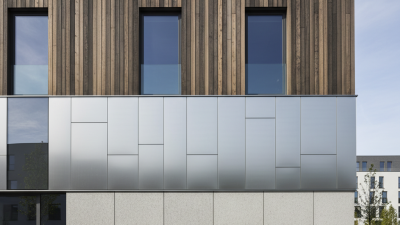
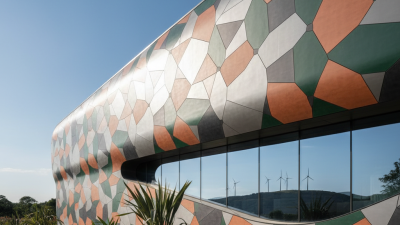
As the Canton Fair approaches in 2026, the wall composite cladding sector is buzzing with innovative materials that could redefine designs. Exhibitors are showcasing textures and colors that mimic natural elements. Think of stone, wood, and even modern metallic finishes. These composites are not just visually appealing; they enhance durability and reduce maintenance costs.
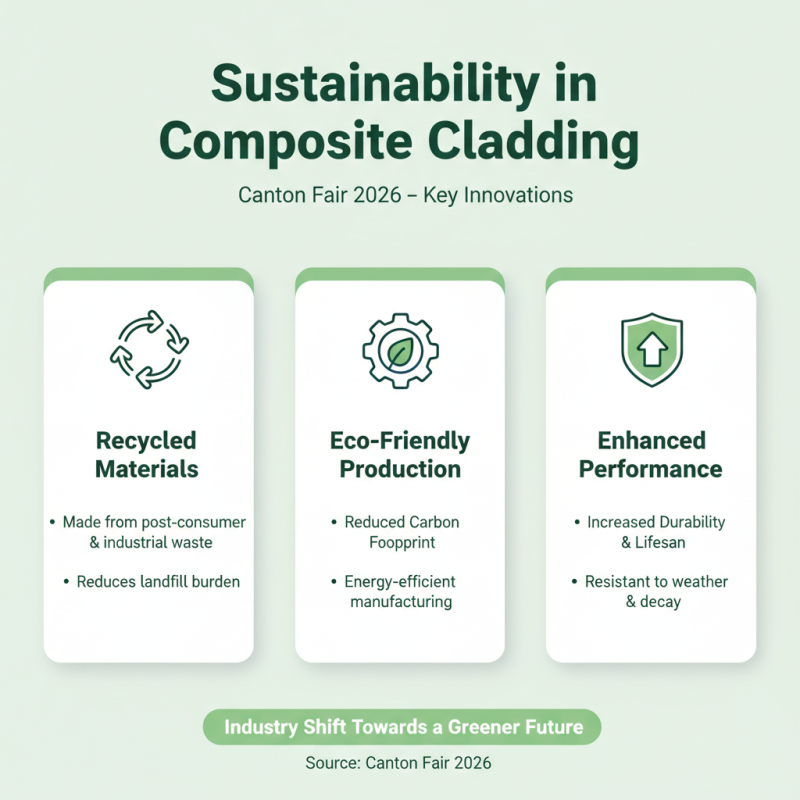
Sustainable materials are gaining attention. Recycling is becoming essential in this industry. Some products feature up to 60% recycled content, emphasizing environmental responsibility. The challenge, however, lies in ensuring that these materials maintain their performance and longevity. Many manufacturers admit that achieving a perfect balance is tough.
Moreover, lightweight options are emerging, promising easier installation and transportation. However, questions about their long-term sustainability remain. Designers are keen to explore these materials, although they express concerns over their reliability in different climates. As the fair unfolds, discussions on ideal applications and potential drawbacks will shape the future of wall composite cladding.
Innovative Design Trends in Composite Cladding Solutions
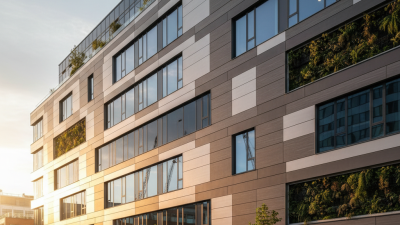
At the Canton Fair 2026, innovative design trends in composite cladding solutions are catching attention. Architects and builders are exploring sustainable materials and aesthetics. The latest designs combine natural textures with modern finishes. This contrast creates a visual appeal that enhances building facades.
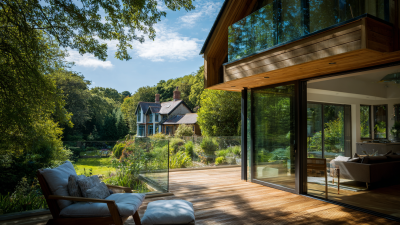
Natural wood looks integrated with composite materials attract those looking for eco-friendly options.
There’s a growing trend toward customizable panel systems. These allow for unique shapes and sizes to fit various architectural needs. Some manufacturers are even experimenting with color-changing technology. It adds a dynamic layer to the cladding, transforming the appearance throughout the day. Such innovations can reflect the environment and create an engaging experience.
Tips for selecting composite cladding include evaluating durability and maintenance. Consider long-lasting materials that withstand weather changes. Aesthetic appeal matters, but functionality should not be neglected. Always ask about the environmental impact during your selection process. Investing in quality will save costs in the long run, but remember, not every popular item suits every project. Be critical and reflective in your choices.
Technological Advances Featured in Wall Cladding Products
The Wall Composite Cladding sector is witnessing remarkable technological advances, greatly impacting construction and design. According to a recent report by Grand View Research, the global market for wall cladding is expected to reach $200 billion by 2027, growing at a CAGR of 6.3%. This surge is attributed to the increasing demand for sustainable and energy-efficient building materials.
One of the key trends at the Canton Fair 2026 was the integration of smart technology in wall cladding products. Features such as self-cleaning surfaces and energy-efficient thermal insulation were highlighted. These innovations address ongoing concerns about maintenance and energy expenditures. However, some industry experts caution that not all smart materials perform as advertised, leading to potential misconceptions.
Moreover, the use of advanced manufacturing techniques, such as 3D printing, has gained thrust in the market. This method allows for customized designs, meeting specific architectural needs. Yet, there are challenges related to the durability and long-term performance of 3D-printed cladding. As the market evolves, continuous evaluation of these technologies will be essential to ensure quality and performance standards are upheld.
Market Insights and Consumer Preferences for 2026 Cladding Trends
As the Canton Fair 2026 approaches, insights into wall composite cladding trends reveal shifting consumer preferences. Sustainability is a key focus this year. Many consumers favor eco-friendly materials. Natural textures and colors are increasingly popular. People want to blend the indoors with nature.
Design versatility is another crucial aspect. Homeowners look for cladding that complements diverse architectural styles. They seek options that offer durability and aesthetic appeal. Bright colors and unique patterns will attract attention. Yet, some consumers still feel overwhelmed by choices. Simplifying options could help guide their decisions.
Functionality matters too. Effective insulation and weather resistance are high priorities. However, many products fall short on these features. Shoppers express frustration at misleading claims. Consumers desire transparency about product performance. Ultimately, the balance between style and practicality will define the success of these cladding trends.
Top Wall Composite Cladding Trends at Canton Fair 2026
This chart shows the market insights and consumer preferences for various types of wall composite cladding materials as observed at the Canton Fair 2026. The data reflects the percentage of popularity among different cladding materials.