China Top Exterior Cladding Options for Global Buyers?
In recent years, exterior cladding has gained immense popularity in construction and architectural design. It serves as the first line of defense against environmental challenges. Significant demand has emerged globally for cladding options that not only provide protection but also enhance aesthetics.
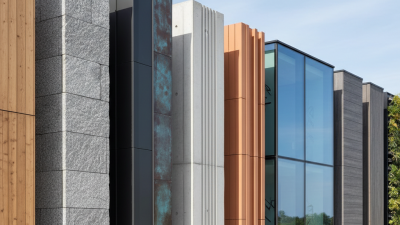
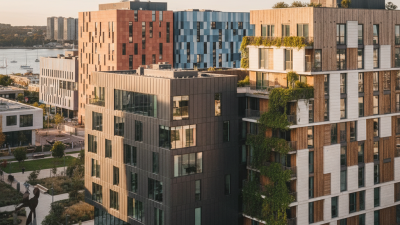
China stands out as a prominent player in the exterior cladding market. Its diverse range of materials includes aluminum, stone, and composite panels. These options cater to various architectural styles and design preferences. Many buyers appreciate the balance of quality and affordability found in Chinese products.
However, the abundance of choices can lead to confusion. Choosing the right exterior cladding requires careful consideration of durability, maintenance needs, and climate compatibility. It's essential for global buyers to assess their specific requirements to avoid potential pitfalls. A well-informed decision can lead to long-term satisfaction with the selected cladding solution.
Overview of China's Exterior Cladding Market and Trends
China's exterior cladding market has experienced significant growth in recent years. As urbanization accelerates, developers seek durable and appealing materials. Various options are available, such as ceramic tiles and fiber cement boards. These materials are favored for their aesthetic qualities and longevity. Buyers appreciate the wide range of colors, textures, and designs they can choose from.
Sustainability is becoming increasingly important. Eco-friendly materials are gaining traction in the market. Buyers are interested in products that not only look good but also minimize environmental impact. Lightweight cladding options are also trending. They reduce transportation costs, making them more attractive. However, challenges still exist. Quality control can vary significantly between manufacturers, leading to inconsistent products. Global buyers must carefully research suppliers and material specifications.
In addition, local regulations can affect material choices. It is essential for buyers to understand the compliance requirements in their regions. This knowledge can prevent potential legal complications. While China's market offers many opportunities, due diligence is crucial for success. Balancing quality, sustainability, and regulatory compliance remains a challenging task for global buyers.
China's Top Exterior Cladding Options
Common Materials Used in Chinese Exterior Cladding Solutions
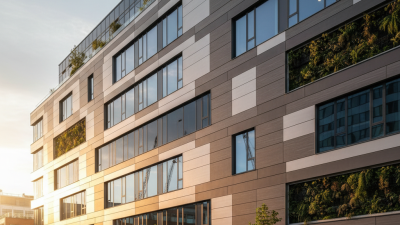
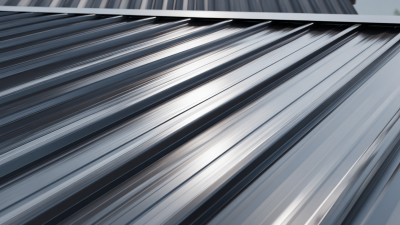
China has emerged as a leading sourcing destination for exterior cladding materials. Various options cater to diverse preferences and architectural styles. Common materials include metal, ceramics, and composites. Data from the China National Building Material Group indicates that metal cladding, particularly aluminum, has gained significant traction due to its durability and lightweight nature. This material can withstand harsh weather, making it a reliable choice for many buildings.
Ceramic tiles are another popular option, offering a combination of aesthetic appeal and functional benefits. In 2022, the ceramic cladding market in China experienced a notable growth rate of 7% according to the China Ceramic Industry Association. These tiles are favored for their high resistance to moisture and ease of maintenance. However, they can be heavier, posing installation challenges that require careful planning.
Composite materials represent an innovative choice for modern architecture. These materials blend plastic and wood fibers, resulting in a lightweight yet robust cladding solution. According to a report by Grand View Research, the global composite cladding market is expected to see a compound annual growth rate (CAGR) of over 10% from 2023 to 2030. Despite their advantages, cost and environmental concerns regarding production are significant considerations for buyers. The choice of cladding material is critical, as it impacts not just aesthetics, but also the overall performance and sustainability of the structure.
China Top Exterior Cladding Options for Global Buyers
| Material Type |
Common Uses |
Durability (Years) |
Installation Complexity |
Cost (USD per sq ft) |
| Natural Stone |
High-end residential, commercial buildings |
50+ |
High |
$15 - $30 |
| Fiber Cement |
Residential and commercial siding |
30-50 |
Medium |
$7 - $12 |
| Aluminum Composite Panels |
Commercial buildings, façades |
20-30 |
Low |
$10 - $15 |
| Vinyl |
Residential siding |
20-40 |
Low |
$3 - $8 |
| Wood |
Residential, eco-friendly buildings |
15-30 |
Medium |
$5 - $20 |
Key Factors for Global Buyers When Selecting Cladding Options
When global buyers consider exterior cladding options, several key factors come into play. Durability is paramount. Materials should withstand various weather conditions. They must resist corrosion, fading, and impact. Buyers often look for options with proven performance records in different climates.
Aesthetic appeal is another critical aspect. The right cladding enhances a building's architectural style. Color, texture, and finish all contribute. Buyers should consider how materials complement local surroundings. Sometimes, a trendy option may not align with regional building practices.
Sustainability frequently influences choices. Eco-friendly materials are gaining traction. However, some buyers hesitate due to higher upfront costs. They need to evaluate long-term benefits like energy efficiency and lower maintenance. Balancing aesthetics, durability, and sustainability can be challenging. Finding the right option may require thorough research and consultation with experts.
Sustainable and Eco-Friendly Cladding Innovations in China
In recent years, sustainable and eco-friendly cladding options have become popular in China. Many manufacturers are focusing on materials that minimize environmental impact. These innovations often utilize recycled materials or bio-based components, promoting a healthier urban environment.
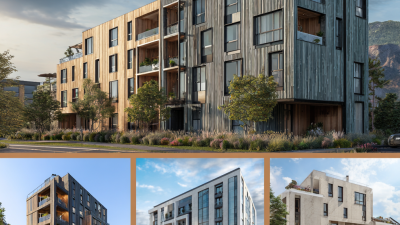
One notable trend is the use of bamboo and reclaimed wood for exterior cladding. Bamboo grows rapidly and absorbs carbon dioxide. Reclaimed wood, on the other hand, reduces waste and preserves the character of old buildings. Both materials can provide unique aesthetics that appeal to a global audience.
However, challenges remain. The sourcing of sustainable materials can be inconsistent. Quality control and durability are often concerns. Buyers must consider the long-term impact of these choices. Engaging with reliable suppliers and verifying claims is essential. The pursuit of sustainability in cladding continues to evolve, offering potential but also requiring careful evaluation.
Comparative Analysis of Cost and Quality in Chinese Cladding Products
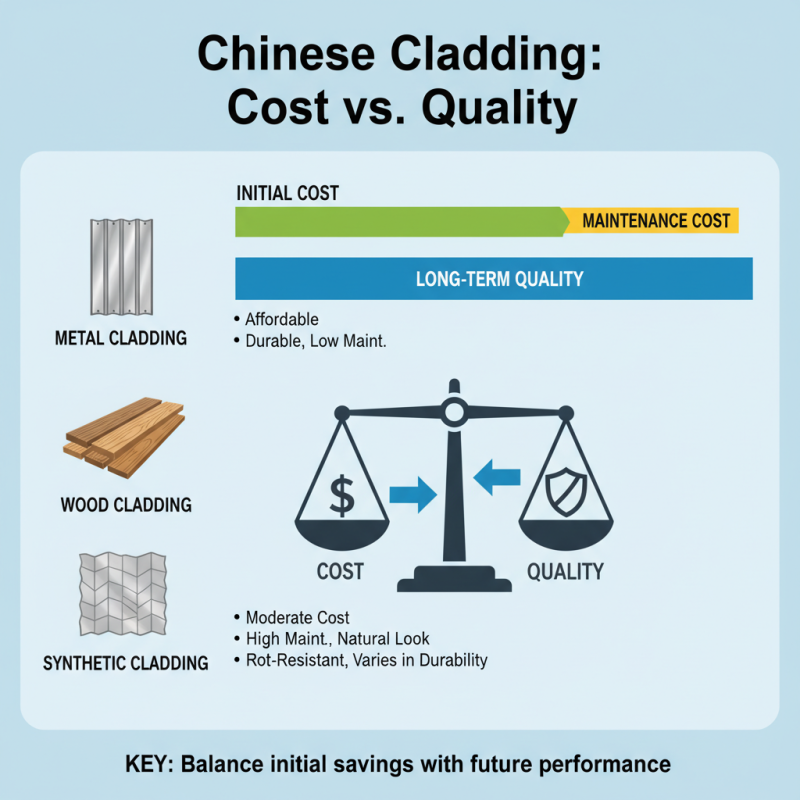
When considering exterior cladding options from China, buyers must evaluate cost and quality carefully. Chinese manufacturers offer a range of cladding materials, including metal, wood, and synthetic options. Each type has distinct advantages and challenges. Some materials may appear affordable initially but may require higher maintenance costs in the long run.
Choosing the right cladding involves thorough research. Talk to multiple suppliers to understand the quality differences. Inspect samples closely. A cheaper price may reflect lower standards in durability or aesthetics. Aim for a balance between upfront costs and long-term value.
Tips: Always prioritize source credibility. Reliable suppliers are often transparent about their production processes. And remember, not all cladding meets international standards. Ensure products comply with applicable regulations before making a decision. Assessing durability in real-world conditions is often difficult, so seek feedback from previous buyers whenever possible.