How to Choose the Best Car Brake Caliper for Your Vehicle?
Choosing the right Car Brake Caliper is crucial for vehicle safety and performance. According to a study by the National Highway Traffic Safety Administration (NHTSA), nearly 30% of vehicle accidents are linked to brake failure. This statistic highlights the importance of high-quality brake components, including calipers. The brake caliper plays a vital role in clamping the brake pads against the rotors, ensuring effective stopping power.
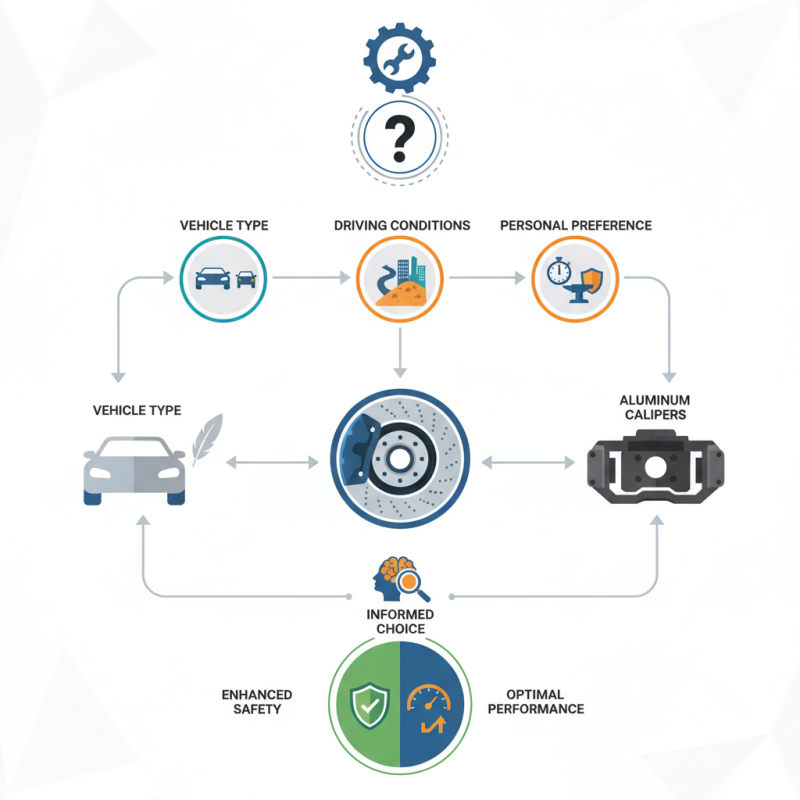
Understanding the features and specifications of various calipers is essential for making an informed decision. Manufacturers often vary in design and materials used. For instance, some calipers utilize aluminum for lightweight performance, while others may opt for cast iron for durability. Experts suggest that the selection process should account for factors such as driving conditions, vehicle type, and personal preference.
Despite the wealth of information available, many vehicle owners struggle with caliper selection. Misleading product descriptions or lack of clarity can lead to improper choices. This complexity necessitates reliable sources and expert guidance in navigating options. Ultimately, enhancing vehicle safety begins with a well-informed choice of the right Car Brake Caliper.
Understanding Brake Calipers: Types and Functions
When it comes to understanding brake calipers, knowing their types and functions is essential. Brake calipers are critical components of a vehicle's braking system. They house the brake pads and are responsible for applying pressure to them, thereby slowing or stopping the vehicle. There are two main types: fixed calipers and floating calipers. Fixed calipers provide more consistent braking power, while floating calipers adapt better to wear and tear.
Choosing the right caliper isn’t just about performance. Consider the weight of your vehicle, driving habits, and climate conditions. For example, if you live in a hilly area, opt for calipers that offer better heat dissipation. This can prevent brake fade during rigorous driving.
Tips: Always ensure your calipers match the specifications of your vehicle. Check the manufacturer’s guidelines for compatibility. Regular maintenance is crucial. Inspect for wear, cracking, or leaks. Noticing any anomalies early can save trouble down the road.
Pay attention to brake response time. It can indicate whether your calipers are functioning properly. A delayed response may signal the need for inspection. Overall, while selecting the best brake caliper, keep performance and maintenance in mind for optimal safety.
Key Factors to Consider When Choosing Brake Calipers
Selecting the right brake caliper is critical for your vehicle's safety and performance. Several key factors should guide your decision. First, compatibility with your vehicle is essential. Not all calipers fit every model. Misalignment can lead to significant brake failure. A report from the Automotive Aftermarket Industry Association indicates that improper brake components contribute to 30% of brake-related accidents.
Material plays a crucial role in caliper performance. Most calipers are made from aluminum or cast iron. Aluminum calipers are lighter, improving responsiveness. However, cast iron is more durable, especially under extreme conditions. A study from the Society of Automotive Engineers found that vehicles with aluminum calipers had a 15% better performance in stop tests than those with cast iron.
Additionally, consider the type of caliper. Floating calipers are common, but fixed calipers can offer better braking power. The right choice depends on your driving style and conditions. Social perceptions often lean towards higher performance brands, but value and reliability should be prioritized. It's advisable to seek expert opinions before purchasing, ensuring that you make an informed choice that enhances your vehicle's safety.
Evaluating Compatibility with Your Vehicle’s Make and Model
When choosing a brake caliper, compatibility with your vehicle’s make and model is crucial. Start by checking your owner’s manual for specifications. Different vehicles have unique requirements. Using the wrong caliper can lead to poor performance and safety hazards. Always pay attention to the part numbers mentioned by manufacturers. This ensures that you get the right fit for optimal functionality.
Consider factors like weight and driving conditions. Some vehicles require heavy-duty calipers, while others may only need standard ones. Assess your driving behavior as well. Are you frequently driving in traffic or on highways? Understanding these details helps in making a better choice.
It’s important to consult with professionals too. Mechanics can provide insights based on hands-on experience. A common mistake is overlooking the details in installation guides. Mistakes during installation can compromise the caliper’s effectiveness. Checking vehicle forums for user experiences can reveal hidden issues. Trustworthy sources can help navigate these complexities.
Brake Caliper Compatibility Evaluation for Different Vehicle Makes
This chart evaluates the compatibility of brake calipers with different vehicle makes. Each type of vehicle is scored on a scale from 0 to 100 based on typical compatibility with available brake caliper models.
Material Selection: Aluminum vs. Cast Iron Brake Calipers
When choosing between aluminum and cast iron brake calipers, material selection is crucial. Aluminum calipers are lighter and often offer better performance. They dissipate heat efficiently, which enhances braking response. However, their increased cost may be a concern.
Cast iron calipers, while heavier, have durability advantages. They are more resistant to warping under extreme conditions. Many enthusiasts prefer their robustness, especially for high-performance vehicles. Consider the trade-offs when making your choice.
**Tips:** Test both types before deciding. Inspect the weight and feel of each option. Understand your driving style. If you drive aggressively, prioritize heat dissipation. If you focus on longevity, cast iron might be better suited. Be mindful of what your vehicle needs, as not every caliper fits every application.
How to Choose the Best Car Brake Caliper for Your Vehicle? - Material Selection: Aluminum vs. Cast Iron Brake Calipers
| Feature | Aluminum Brake Calipers | Cast Iron Brake Calipers |
| Weight | Lightweight | Heavier |
| Cost | More expensive | Generally cheaper |
| Heat Dissipation | Good heat dissipation | Excellent heat dissipation |
| Corrosion Resistance | High resistance | Lower resistance |
| Performance | Responds quickly | Stable performance |
| Usage | Racing and high-performance vehicles | Standard and heavy-duty vehicles |
Maintenance and Replacement Tips for Brake Calipers
Brake calipers are crucial for vehicle safety. Regular maintenance is key to ensuring they function properly. Inspecting brake calipers for signs of wear is essential. Look for leaks or corrosion on the caliper body. These issues can affect braking performance. Listening for unusual noises during braking can also help. Squeaking or grinding sounds often indicate that replacement is needed.
Changing brake calipers can be intimidating. However, with the right guidance, it’s manageable. Begin by checking your vehicle's service manual for specifications. Familiarize yourself with the tools required for the job. Ensure your workspace is clean and organized. When removing the old caliper, be cautious about brake fluid spills. Proper disposal is necessary to avoid environmental harm.
After installing new calipers, brake fluid must be bled for optimal performance. Air trapped in the brake lines can lead to reduced braking efficiency. It’s also important to understand that calipers can become stuck. This may happen due to rust or debris. Regular inspections and maintenance can prevent these issues. Always prioritize safety when working on your brakes. Taking shortcuts can lead to serious consequences. Reflect on your processes and seek help if needed.