How to Choose the Best Wall Cladding Panels for Your Project?
Choosing the right wall cladding panels is crucial for your project's success. These panels significantly influence aesthetics, durability, and insulation. With numerous options available, it can be daunting to narrow down your choices. Understanding the unique features of different materials is key.
Consider factors like performance and budget. Vinyl, wood, and metal offer distinct appearances and benefits. For example, vinyl can mimic wood while being low-maintenance. Wooden panels provide warmth but may require more upkeep. Metal options highlight modern designs but can be expensive. Take time to weigh these elements carefully.
Consulting with experts can provide valuable insights. They can guide you through the selection process, ensuring you make an informed decision. Visualize how different wall cladding panels will look on your building. Imagine their impact on your project’s first impression. Your choice is not just practical; it's an opportunity to express creativity.
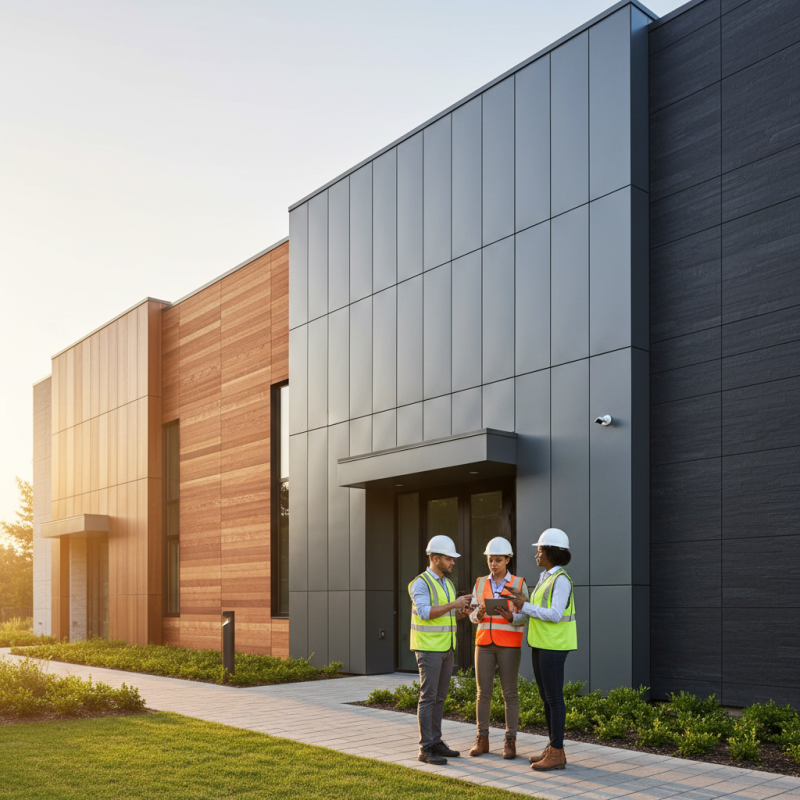
Understanding the Different Types of Wall Cladding Panels Available
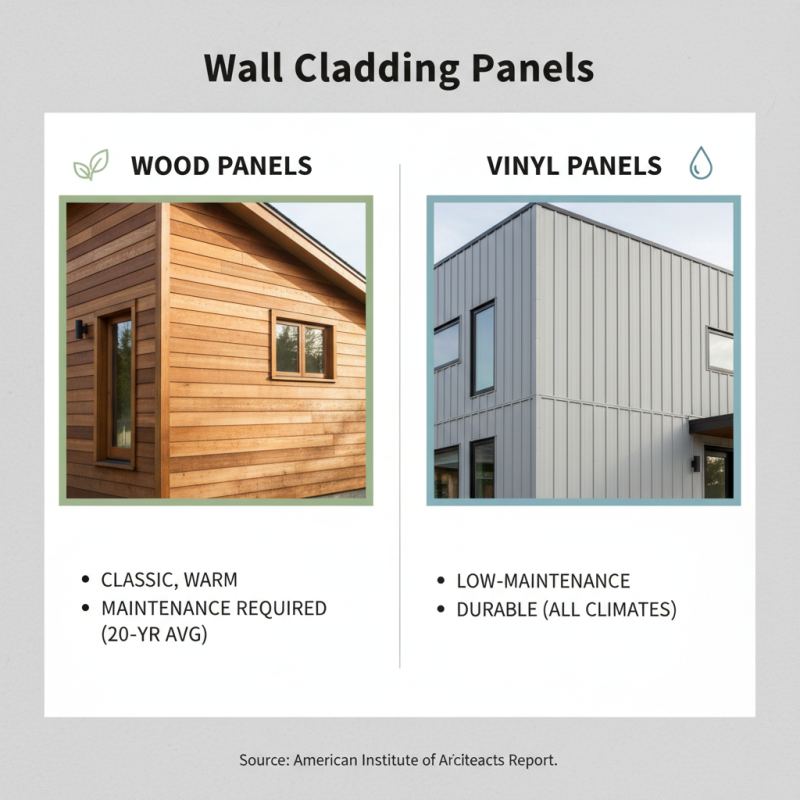
When selecting wall cladding panels, it’s essential to understand the various types available. Each type serves different aesthetics and functional needs. Wood, for example, offers a classic, warm look but requires maintenance. According to a report from the American Institute of Architects, wood cladding has a lifespan averaging 20 years if properly maintained. In contrast, vinyl panels are low-maintenance and offer excellent durability, making them suitable for various climates.
Metal cladding is increasingly popular. It provides a modern, industrial appearance that can withstand harsh weather. A study by the Building and Construction Authority indicates that metal materials can last over 50 years when treated with protective coatings. However, issues like corrosion may arise in coastal areas, which require careful consideration during selection.
Another option is composite materials, which merge aesthetics and resilience. These panels come in various finishes and are often more cost-effective than authentic materials. However, misconceptions exist about their longevity and sustainability. Reports suggest that while composites may last 25 years, their environmental impact often raises concerns. Understanding these nuances is key to making an informed choice that balances visual appeal and practicality.
Evaluating Material Options for Durability and Aesthetic Appeal
When selecting wall cladding panels, durability should be a top priority. Different materials offer varying levels of strength and longevity. For example, natural stone is robust but can be heavy and costly. On the other hand, composite materials are lightweight and often more affordable, yet they may not withstand extreme weather as well. Assessing your environment is crucial. Areas exposed to moisture may require materials that resist rot and decay.
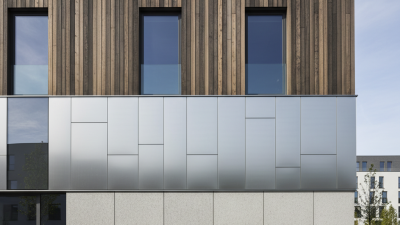
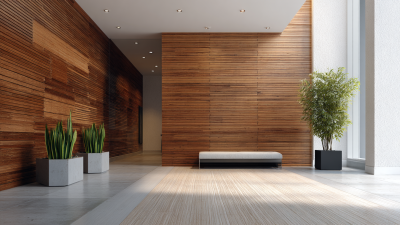
Aesthetic appeal is equally important. The visual impact of your cladding can transform a space. Wood panels provide warmth and character, but they require regular maintenance. Metal panels create a sleek, modern look but may dent easily. Each choice influences your project's overall design. It’s essential to consider how these materials will interact with one another. Sometimes, a combination can yield a unique aesthetic.
It's also vital to reflect on your goals. Are you aiming for a timeless look or something contemporary? Identifying your vision can guide your material choices. Don't overlook the importance of texture and color. They can evoke different emotions and enhance your space’s ambiance. Remember, every option has its pros and cons. Taking the time to evaluate them will lead to more satisfying results.
Considering Climate and Environment for Wall Cladding Selection
When selecting wall cladding panels, climate and environment are crucial factors. Different materials impact energy efficiency and durability based on regional weather patterns. According to a 2022 study by the National Institute of Building Sciences, choosing the right cladding can improve insulation by up to 30%. In colder climates, panels that resist moisture and wind can extend building life.
Materials like wood, vinyl, and metal behave differently under environmental stress. Wood may warp in humid areas, while metal can corrode in coastal regions. The choice of finish matters, too. A matte finish can reduce glare and improve aesthetics in sunny areas. However, finding the balance between durability and appearance can be challenging.
Sustainability concerns also come into play. The Environmental Protection Agency highlights that building materials account for 40% of the total energy consumption in the United States. Choosing eco-friendly options can lower your project’s carbon footprint significantly. Yet, sometimes cost can be a barrier. It's essential to weigh long-term benefits against short-term expenses. Selecting wall cladding is not just about beauty; it's about making thoughtful choices for the environment and the future.
Climate Considerations for Choosing Wall Cladding Panels
This bar chart illustrates the typical values of various climate factors that should be considered when selecting wall cladding panels for construction projects. Understanding these parameters helps in making informed choices that ensure durability and performance.
Assessing Installation Methods and Maintenance Requirements
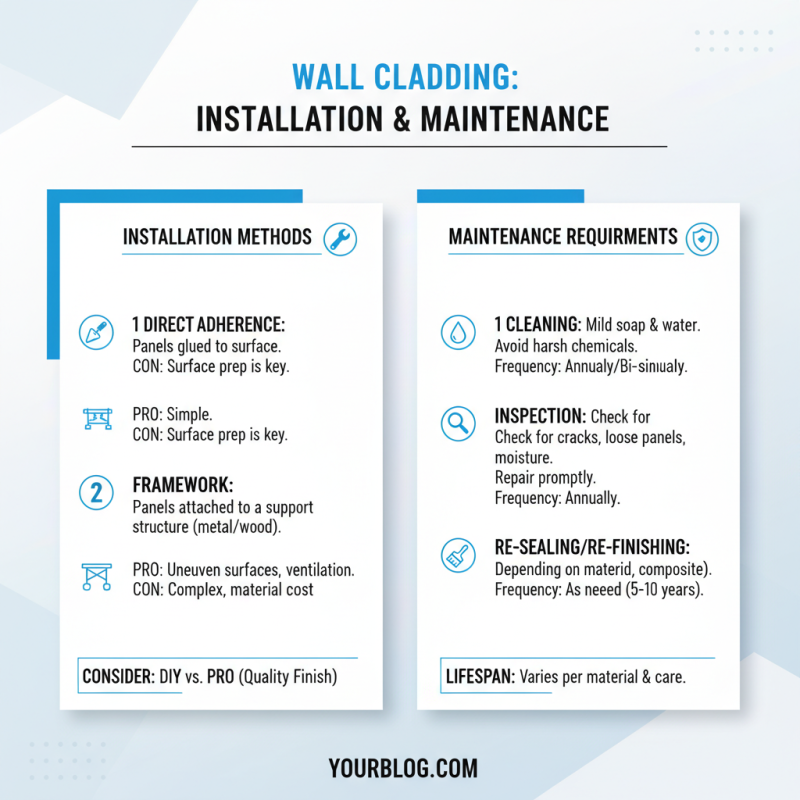
When selecting wall cladding panels, assessing installation methods is crucial. Different panels may require various installation techniques. For example, some panels can be directly adhered to surfaces, while others might need a framework. Consider the complexity of the installation process and how it aligns with your skill level. Hiring professionals can enhance the quality of the finish.
Maintenance is another key aspect. Certain materials, like wood, may need regular treatment to resist moisture. In contrast, metal panels might require less upkeep. It's important to think about the long-term maintenance and choose panels that fit your lifestyle. Regular cleaning can prolong the life of your cladding.
**Tips:** Look for panels that are easy to clean. This can save you time and effort. Always review the manufacturer's guidelines for maintenance. Panels that offer warranties often indicate better durability. Remember, balancing aesthetics with practicality can help you achieve the best results.
Budgeting and Cost Analysis for Wall Cladding Projects
When planning a wall cladding project, budgeting is crucial. It’s important to identify all potential costs. This includes materials, labor, and any additional installation fees. Prices for wall cladding materials can vary significantly. For instance, natural stone tends to be more expensive than vinyl. This can impact your overall budget greatly. An unexpected price spike can derail a project's financial health.
Analyzing costs effectively involves creating a detailed breakdown. Consider not only the price per square foot but also the long-term durability and maintenance costs. Sometimes, cheaper options may lead to higher expenses down the road. Labor costs can also fluctuate based on location and complexity of installation. You must find a balance between quality and affordability.
Reflection on budgeting strategies is vital. Review past projects to gain insights. Were there hidden costs? Could the project have been managed more efficiently? Keeping track of these details can enhance your future projects. Sometimes, cutting corners to save money might compromise quality. A thoughtful approach to budgeting ensures a more successful and satisfying outcome.