How to Choose the Right Double Eccentric Butterfly Valve?
Choosing the right double eccentric butterfly valve can be a challenging task. With various options available, it’s crucial to understand the key features. Renowned industry expert Dr. John Smith once stated, "Selecting the appropriate double eccentric butterfly valve is essential for system efficiency." His insight highlights the importance of this choice.
These valves operate differently than conventional butterfly valves. Their unique design allows for better sealing and reduced wear. This feature can lead to lower maintenance costs over time. When evaluating a double eccentric butterfly valve, factors like material, size, and pressure rating must be considered carefully.
However, it’s easy to overlook details. Not every application is the same, and one size doesn’t fit all. Users may find themselves regretting a hasty decision. Gathering sufficient information can prevent mistakes. Don’t rush into the selection. Instead, take the time to analyze options thoroughly. Your system’s performance depends on it.
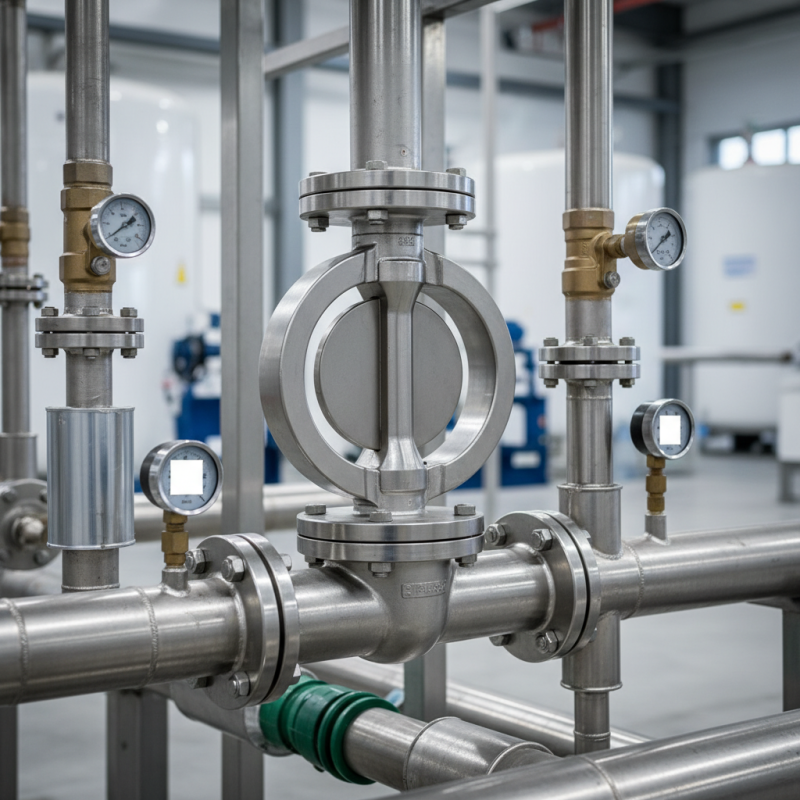
Understanding Double Eccentric Butterfly Valves and Their Applications
Double eccentric butterfly valves are pivotal in various industries. They allow for efficient control of flow in piping systems. Their unique design minimizes friction and wear. This results in extended service life, but not without some trade-offs. Some users experience issues with sealing over time. Regular maintenance can help address this problem.
These valves are suitable for critical applications. They function well in high-pressure systems. However, their performance can be influenced by fluid characteristics. Viscosity and temperature play significant roles. In situations where precise control is essential, double eccentric designs offer advantages. Yet, they may not be the best choice for all scenarios.
Choosing the right valve requires careful consideration. Understand the specific needs of your system. Evaluate factors like pressure and flow requirements. Don’t overlook the environment where the valve will operate. Slight miscalculations can lead to failure, which can be costly. Therefore, consultation with experts may provide valuable insights that enhance decision-making.
Key Factors to Consider When Selecting a Double Eccentric Butterfly Valve
Choosing the right double eccentric butterfly valve can be challenging. Several key factors come into play. First, consider the application. Is it for water, gas, or chemical handling? Each application has specific requirements.
Next, the size of the valve matters. Ensure it matches the pipe diameter. A mismatch can lead to inefficiencies. Think about the pressure rating too. A valve that can’t handle your system’s pressure may fail. Material selection is crucial. Different materials resist corrosion and wear differently.
Don't overlook the seat design. A proper seal prevents leaks. However, the wrong choice can cause problems. Installation spaces can also limit options. Sometimes, a compact design may be needed. Evaluate these factors carefully. The right valve will save time and money.
Material Selection for Durability and Compatibility in Valves
When selecting a double eccentric butterfly valve, material choice is critical. Different materials offer various benefits. For instance, stainless steel is known for its strength and corrosion resistance. It is ideal for harsh environments. However, it may not suit all applications. Bronze valves can withstand high temperatures but may erode over time.
Rubber-lined valves provide excellent sealing capabilities but might wear out quickly in aggressive fluids. Each material has trade-offs. Cost is also a factor. Sometimes, cheaper options compromise durability. For instance, plastic valves are lightweight and corrosion-resistant but may lack strength under pressure.
Compatibility with the fluid is essential. Chemical reactions can degrade materials, impacting function. It’s crucial to review fluid properties before making a decision. Engaging with an expert can help avoid bad choices. Often, the impact of material selection is underestimated. Ignoring this can lead to increased maintenance needs and unexpected shutdowns. A well-informed choice ensures longevity and reliability.
Sizing and Pressure Rating: Ensuring Optimal Performance
Choosing the right double eccentric butterfly valve involves more than just picking a model. Sizing and pressure rating are crucial. Correct sizing ensures the valve fits the pipeline properly. This prevents leaks and pressure loss. The valve’s pressure rating must match or exceed system requirements. An oversized valve may not provide effective control.
Tips: Measure the pipe diameter accurately. Check the flow characteristics too. Consider the application to find the right specifications.
Incorrect ratings can lead to failure. Ensure the valve handles the system's maximum pressure. Underestimating pressure can cause serious damage. Review the manufacturer's guidelines. Performing these checks may seem tedious, but they are essential.
Tips: Don't skip any calculation steps. Even slight errors can have big impacts. Always consult with experts when in doubt. Their insights can save you time and cost in the long run.
How to Choose the Right Double Eccentric Butterfly Valve? - Sizing and Pressure Rating: Ensuring Optimal Performance
| Valve Size (inches) | Pressure Rating (psi) | Material | Temperature Rating (°F) | Application |
| 2 | 150 | Carbon Steel | -20 to 250 | Water Service |
| 4 | 150 | Stainless Steel | -20 to 300 | Chemical Processing |
| 6 | 300 | Ductile Iron | 0 to 400 | HVAC Systems |
| 8 | 150 | Aluminum | -40 to 250 | Food Processing |
| 10 | 600 | Bronze | -20 to 200 | Piping Systems |
Maintenance and Inspection Guidelines for Long-lasting Operations
Maintaining double eccentric butterfly valves is vital for their longevity. Regular inspections can prevent unexpected failures. Data shows that proper maintenance can increase valve lifespan by up to 30%. Inspect seals for wear and tear. Look for discoloration or deformation, signs that they need replacing. Regularly clean the valve to prevent buildup of contaminants. This is crucial in harsh environments where debris can accumulate.
Lubrication is often overlooked but essential. Use the right lubricant to ensure smooth operation. Inadequate lubrication can lead to increased friction and wear. Regular checks can help catch issues early. Many operators ignore the importance of using the right tools. Using improper tools can damage the valve, leading to costly replacements.
Training staff on inspection techniques is key. Regular training sessions help maintain high standards. Data indicates that companies valuing maintenance training see fewer operational interruptions. It's easy to overlook small issues, but they can lead to larger problems. Pay attention to changes in noise or vibration. These could indicate underlying issues. Act on these signs promptly to avoid bigger failures.
Valve Maintenance and Inspection Frequency