How to Choose the Right Exterior Cladding for Your Project?
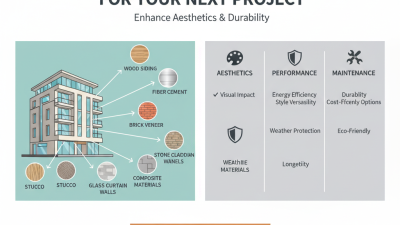
Selecting the right exterior cladding is a crucial step in any building project. Exterior cladding serves as the first line of defense against environmental elements. It also contributes to the overall aesthetics of the structure.
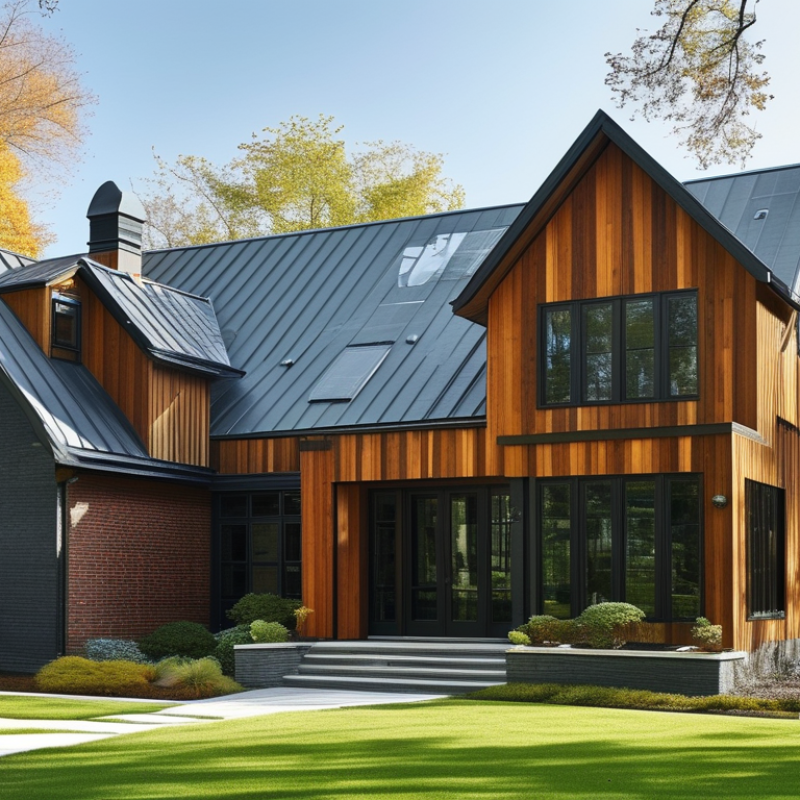
The choices are vast, from wood and vinyl to aluminum and brick. Each material has its unique benefits and potential drawbacks. For example, wood offers warmth but requires regular maintenance. On the other hand, aluminum provides durability but may lack the charm of natural materials.
It's essential to consider specific project needs. Climate, local regulations, and budget will influence your decision. Understanding these factors can lead to better results. Reflecting on past experiences with exterior cladding can also guide your choices. You may find that aesthetics do not always align with functionality. Balancing these elements is key to a successful project.
Understanding the Importance of Exterior Cladding in Construction
Exterior cladding plays a crucial role in construction, impacting both aesthetics and performance. According to the 2022 report by the International Journal of Building Science, proper cladding can enhance energy efficiency by up to 25%. This statistic highlights the importance of selecting the right materials to optimize thermal insulation and reduce energy costs.
Aesthetically, cladding influences the overall look of a building. Analysis from the National Association of Home Builders indicates that 71% of homeowners consider exterior appearance essential when purchasing a home. However, choices could lead to challenges. Some materials may weather poorly or require more maintenance than anticipated. For example, timber cladding can provide visual warmth but may face issues with rot and pests if not maintained.
Furthermore, the durability of cladding is paramount. The Building Materials Research Institute states that the lifespan of materials like fiber cement and aluminum can exceed 50 years. Yet, environmental implications must also be assessed. Some durable materials may have higher carbon footprints during production. This complexity in choice underscores the need for a balanced approach in selecting cladding materials, weighing aesthetics, performance, and sustainability against potential drawbacks.
How to Choose the Right Exterior Cladding for Your Project?
| Cladding Type |
Material |
Durability |
Cost ($/sq.ft.) |
Maintenance Level |
| Vinyl Siding |
PVC |
Moderate |
2.00 - 7.00 |
Low |
| Fiber Cement |
Cement and Wood Pulp |
High |
4.00 - 8.00 |
Low |
| Wood Siding |
Natural Wood |
Moderate |
3.00 - 6.00 |
High |
| Metal Panels |
Aluminum or Steel |
Very High |
6.00 - 12.00 |
Low |
| Brick |
Clay |
Very High |
8.00 - 15.00 |
Low |
Factors to Consider When Selecting Exterior Cladding Materials
Choosing the right exterior cladding for any project involves weighing several critical factors. A recent report from the American Institute of Architects indicates that nearly 40% of architects prioritize durability and maintenance when selecting cladding materials. This highlights the importance of considering how long your chosen cladding will last and how easy it is to maintain. Quality exterior cladding can significantly reduce future repair costs and prolong the building's life.
In addition to durability, thermal performance is crucial. Energy-efficient cladding can contribute to reduced energy bills. Research shows that homes with effective insulation and cladding systems can save up to 30% on heating costs. However, the insulation material should also match the local climate. For instance, moisture-resistant options are vital in humid areas. Failing to select the appropriate cladding can lead to mold or structural damage over time.
Aesthetics play an essential role too. The design should complement the surrounding environment. Studies indicate that properties with cohesive designs have higher market value. Yet, balancing aesthetics with functionality presents a challenge. Choosing a visually appealing option that meets all performance standards requires careful consideration and research. The decision process can be complex, and various data points must be analyzed.
How to Choose the Right Exterior Cladding for Your Project?
This chart illustrates the key factors to consider when selecting exterior cladding materials. The following categories represent different considerations, with their respective importance ratings on a scale of 1 to 10.
Common Types of Exterior Cladding and Their Benefits
Choosing the right exterior cladding is crucial for your building's aesthetics and durability. Common types include wood, vinyl, metal, and brick. Each has its unique set of benefits and drawbacks, which are worth exploring.
Wood cladding offers warmth and beauty. However, it requires regular maintenance to prevent rot and insect damage. Vinyl is popular for its affordability and low maintenance but may fade over time and is less eco-friendly. Metal cladding, like aluminum or steel, is incredibly durable and fire-resistant. Yet, it can be prone to denting and is not suitable for all climates.
Brick is timeless and highly durable. It provides excellent insulation but can be expensive to install. Each material presents its challenges, making it essential to weigh their pros and cons against your project's needs. Reflecting on these factors will lead to a more informed choice, enhancing both functionality and visual appeal.
Assessing Climatic Conditions and Their Impact on Cladding Choice
When selecting exterior cladding, understanding your local climate is vital. Different materials respond uniquely to weather conditions. For example, areas with heavy rain may require more water-resistant options. On the other hand, homes in sunny climates benefit from UV-resistant materials.
Consider the temperature fluctuations in your region. Some materials expand and contract with heat. If you live in a place with harsh winters, look for cladding that can withstand freeze and thaw cycles. This choice can prevent cracks and prolong your building's lifespan.
Tips:
Evaluate the weather patterns in your area before making a decision. Research material durability ratings. Consult professionals with local expertise to make informed choices. Choosing the right cladding might seem straightforward. Yet, overlooking climate considerations can lead to costly repairs later. Don’t rush; invest time in assessing what truly fits your environment.
Budgeting and Maintenance Considerations for Exterior Cladding Options
When considering exterior cladding, budgeting plays a crucial role.
Set a clear budget from the start. Understand that cladding materials can vary widely in cost.
A higher upfront investment might translate into lower long-term expenses. For example,
natural stone costs more initially but may require less maintenance over time.
Maintenance is another key factor. Some materials demand regular upkeep, which adds to your yearly expenses.
Wood requires staining and can succumb to rot, while vinyl may fade or crack over time.
Consider how much time and money you can realistically commit to maintaining your cladding.
Think about the local climate, too. Harsh conditions can affect the longevity of materials.
For instance, areas with high humidity may not suit wood cladding.
Balancing your desire for aesthetic appeal with practical durability is essential.
Reflect on how your choices impact long-term satisfaction and costs.