How to Choose the Best Cladding Sheet for Your Project?
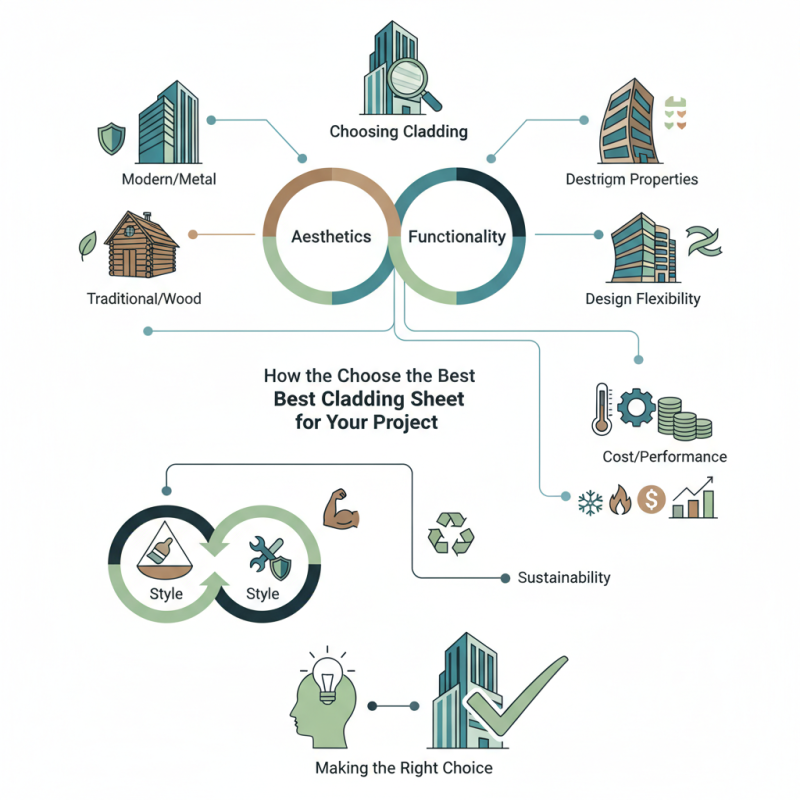
Choosing the right cladding sheet for your project can significantly impact both aesthetics and functionality. As architect and cladding expert, Dr. Emily Green, puts it, "The right cladding material can transform a building’s appearance and its energy efficiency." With so many options available, selecting the ideal cladding sheet can be daunting.
Many factors come into play. Consider the material's durability, insulation properties, and design flexibility. Cladding sheets vary widely in price and performance. For instance, metal sheets may offer longevity but could lack warmth. In contrast, wood cladding adds beauty but requires maintenance. It’s essential to balance aesthetics with practical needs.
Reflecting on these decisions is crucial. Each choice involves trade-offs—style versus cost, sustainability versus maintenance. Take time to weigh your options carefully. The right cladding sheet can enhance a building, making it stand out while serving its purpose efficiently. Avoid rushing this important choice; it shapes not only the building’s look but also its overall function.
Understanding the Different Types of Cladding Sheets Available
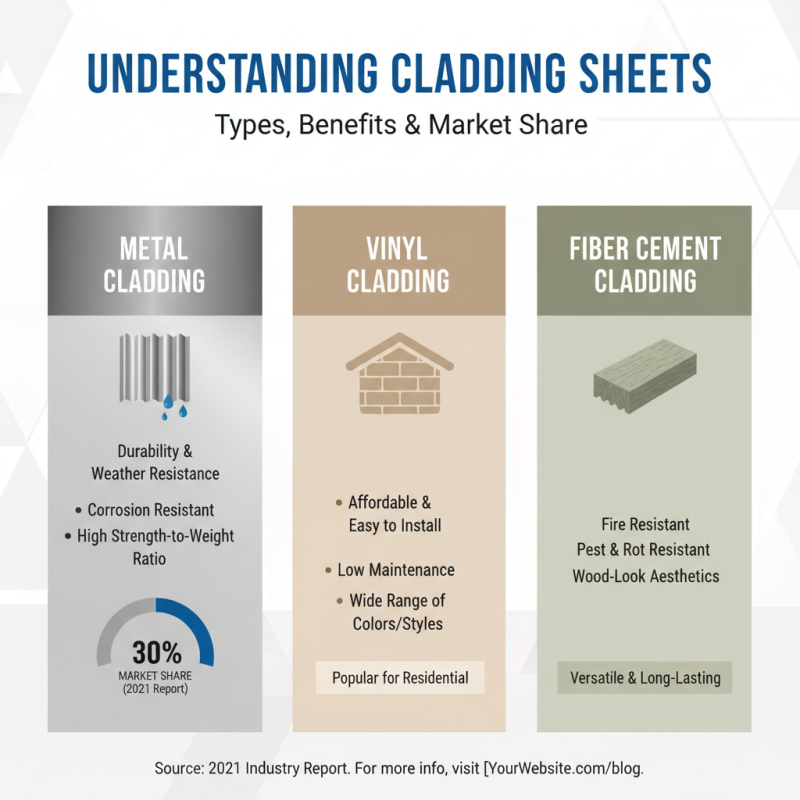
When selecting cladding sheets, understanding the variations available is crucial. Different materials, such as metal, vinyl, and fiber cement, each offer unique benefits and drawbacks. Metal cladding, for instance, is lauded for its durability and resistance to harsh weather, holding up against corrosion much better than other materials. According to a 2021 industry report, metal cladding accounted for nearly 30% of the market share, reflecting its popularity in modern construction.
Vinyl cladding is another common choice. It is lightweight and easy to install, making it suitable for DIY projects. However, it may not withstand extreme temperatures as well as other options. Research indicates that vinyl's market share is around 25%, appealing to those seeking budget-friendly solutions. Nevertheless, it can fade and warp, posing long-term concerns for homeowners.
Fiber cement sheets provide a balance of aesthetics and functionality. They mimic the look of wood or masonry without the high maintenance. Reports show that fiber cement cladding is on the rise, capturing about 20% of the market. While effective, it should be noted that improper installation can lead to moisture issues. This emphasizes the need for professional expertise when choosing and installing cladding sheets.
Evaluating Material Properties for Your Specific Project Needs
Choosing the right cladding sheet involves careful consideration of material properties. Each project has unique requirements. You must evaluate factors like durability, insulation, and aesthetics.
Tips: Look into different materials. Metal sheets offer longevity but may require insulation to enhance energy efficiency. Wood provides warmth but needs regular maintenance. Think about your climate and location. This affects material performance over time.
It’s crucial to balance cost and quality. Sometimes, cheaper options may not perform as expected. Assess long-term benefits against initial costs. Reflect on your project goals. What is the intended lifespan of the installation? This thought process influences your choice. Don’t rush. Take your time to research various materials comprehensively.
Material Properties Comparison for Cladding Sheets
This chart compares the thermal insulation, durability, and cost-effectiveness of various cladding sheet materials to help you choose the best option for your project.
Assessing Aesthetic Considerations and Design Compatibility
Choosing the right cladding sheet can greatly impact a project's overall aesthetic. The color, texture, and finish should complement the structure and its surroundings. Consider the architectural style of the building. Modern designs often benefit from sleek, minimalistic cladding, while traditional structures might require more textured materials.
Lighting plays a crucial role too. How the cladding interacts with natural and artificial light can transform a space. For example, metallic finishes can create striking reflections, adding depth. However, these materials might not suit every design. Reflect on the environment where the building is located. Rural settings might call for natural tones, while urban areas can embrace bolder choices.
Compatibility with other design elements is essential. The cladding should harmonize with windows, doors, and landscaping. For instance, a stark contrast may make a bold statement, but it can also disrupt visual flow. Assessing how cladding integrates with other components helps in creating a cohesive look. Often, testing samples on-site can reveal how different materials will actually perform together.
How to Choose the Best Cladding Sheet for Your Project? - Assessing Aesthetic Considerations and Design Compatibility
| Criteria |
Material Type |
Aesthetic Impact |
Compatibility with Design Style |
Durability Rating |
| Color |
Aluminum |
Modern & Sleek |
Contemporary & Industrial |
High |
| Texture |
Wood |
Warm & Inviting |
Rustic & Traditional |
Medium |
| Finish |
Vinyl |
Versatile & Smooth |
Modern & Minimalist |
Low |
| Pattern |
Fiber Cement |
Trendy & Unique |
Eco-friendly & Modern |
High |
| Shape |
Steel |
Sleek & Modern |
Industrial & Contemporary |
Very High |
Considering Cost and Budget Constraints for Cladding Options
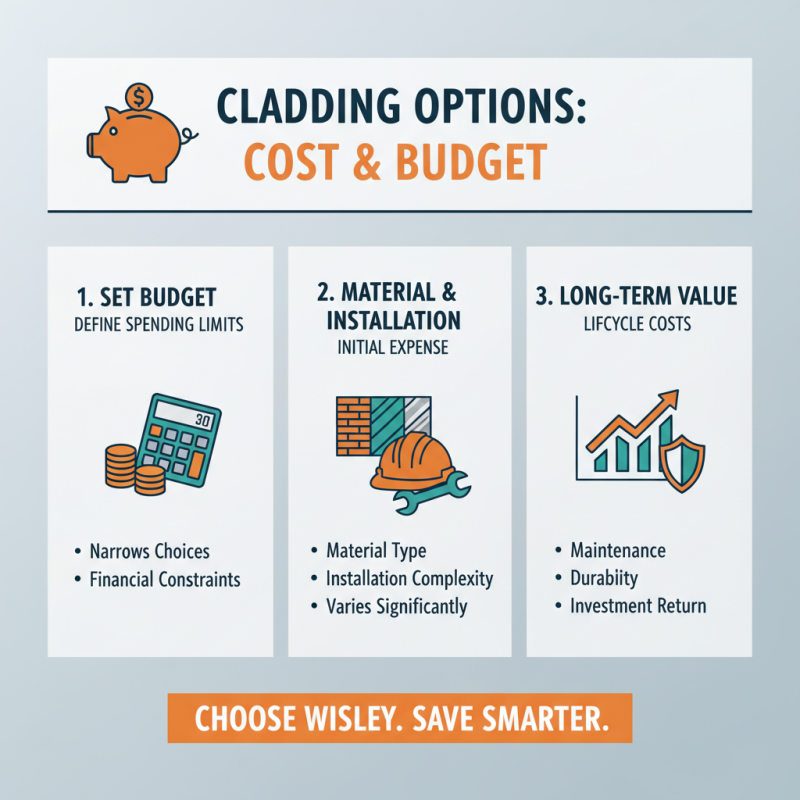
When selecting cladding sheets, cost plays a pivotal role. Set a clear budget before exploring options. This might narrow down your choices, guiding you to materials that fit within your financial constraints. Some cladding options can be significantly more expensive due to material type or installation complexity. Understanding the long-term costs associated with maintenance and durability is equally important.
Researching local suppliers can yield more cost-effective solutions. Local materials often come with reduced shipping costs. Compare various cladding types, including vinyl, metal, and wood. Each has its own cost implications. For example, while wood might look appealing, maintenance costs could accumulate over time. Understanding these trade-offs is crucial.
It’s also wise to consider future savings. An upfront investment in higher-quality cladding can reduce maintenance needs and energy costs. However, it may stretch your budget initially. Do not underestimate the impact of choices on the overall project budget. Reflect on how each decision aligns with your financial goals. Balancing aesthetics and functionality with your budget is a challenge, but necessary for a successful project.
Reviewing Installation and Maintenance Requirements for Durability
When selecting cladding sheets, installation and maintenance are crucial for ensuring durability. A well-installed cladding sheet can withstand various weather conditions. Begin by assessing the installation location. Factors like exposure to sun, wind, and moisture should influence your choice. Proper sealing is essential. It prevents moisture ingress that can lead to rot or mold.
Regular maintenance is another aspect to consider. Most cladding materials require periodic cleaning to maintain their appearance. You might encounter fading or surface damage from elements over time. This can require touch-ups or even complete replacements. Finally, keep in mind that while some materials seem low-maintenance, they may need more attention than expected. Establishing a routine for inspections and maintenance can enhance the lifespan of your cladding sheets.