2026 How to Choose the Best Wall Panels for Your Home Improvement Project?
When embarking on a home improvement project, choosing the right wall panels is crucial. Expert interior designer Sarah McMillan emphasizes, "The right wall panels can transform any space." Wall panels not only enhance aesthetics but also provide insulation and soundproofing. Many homeowners overlook these multifunctional benefits.
With the variety of options available, selecting wall panels can be overwhelming. You have to consider materials, colors, and textures. Some choices may not match your home’s style. For instance, a rustic wood panel in a modern home may clash and cause design regret.
Reflecting on personal experiences, many find themselves dissatisfied with their selections. They often choose visually appealing panels without assessing functionality. This common pitfall can lead to costly mistakes. Paying attention to both form and function is essential for a successful project. Ultimately, wall panels should complement your vision while meeting practical needs.
Choosing the Right Material: Analyzing Popular Wall Panel Options
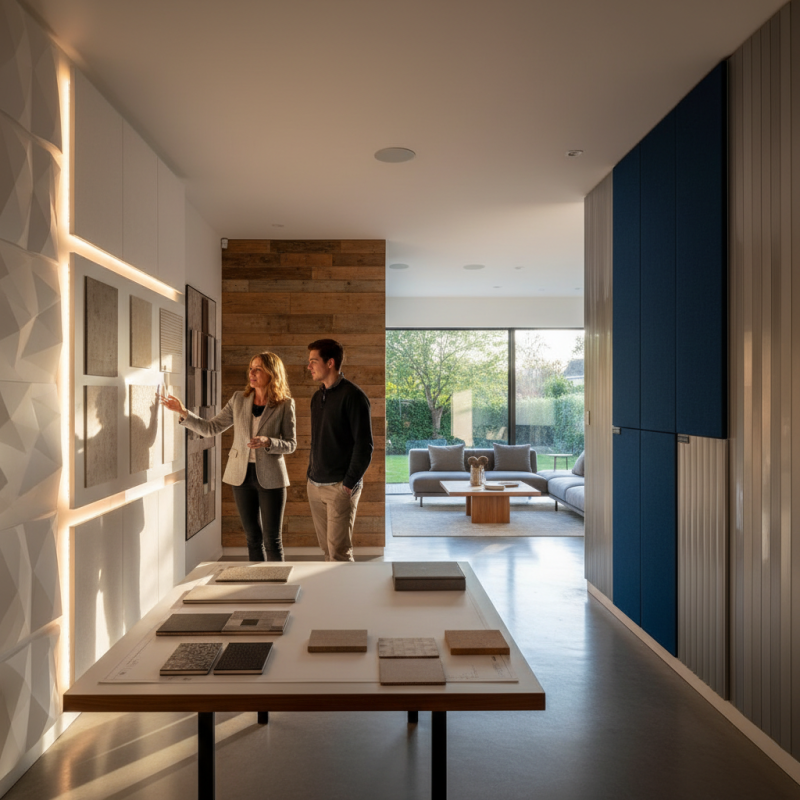
When selecting wall panels for home improvement, understanding your material options is crucial. Popular choices include wood, PVC, and plywood. Each option has unique benefits and drawbacks. For instance, wood panels offer a warm, natural feel. However, they can warp or rot in humid conditions. In contrast, PVC panels are waterproof and easy to clean, yet they might lack the aesthetic appeal of wood.
A recent industry report indicates that the use of vinyl wall panels has grown by 15% in recent years. This trend highlights the increasing preference for materials that combine durability with low maintenance. Plywood, while versatile, can be more challenging to install and may require additional finishing. It’s essential to consider the installation process, as complex materials can lead to higher labor costs.
Consider your environment. If moisture is a concern, go for PVC. If aesthetics are your priority, wood may be worth the maintenance. Reflecting on these factors can help you make more informed choices. Ultimately, choose materials that fit your lifestyle and the specific needs of your space.
2026 How to Choose the Best Wall Panels for Your Home Improvement Project?
| Material Type |
Durability |
Cost per Sq. Ft. |
Ease of Installation |
Maintenance |
| Plywood |
High |
$2.50 |
Moderate |
Low |
| MDF (Medium Density Fiberboard) |
Moderate |
$1.75 |
Easy |
Moderate |
| Vinyl |
High |
$3.00 |
Easy |
Low |
| Wood Paneling |
High |
$4.50 |
Moderate |
High |
| Textured Wall Panels |
Moderate |
$2.25 |
Easy |
Moderate |
Understanding Wall Panel Costs: Budgeting for Your Home Improvement
When planning a home improvement project with wall panels, understanding costs is crucial. The average cost of wall panels ranges from $6 to $12 per square foot, depending on materials. For instance, plywood panels may cost less, while high-end options like stone can spike prices. Budgeting for these can be tricky, especially when additional installation costs are considered.
Tip: Always get multiple quotes when hiring professional help. This helps in comparing costs and ensuring you stay within your budget.
It's important to reflect on your long-term needs. Cheaper options might save money now, but might require replacement sooner. Reports indicate that homeowners often overlook maintenance costs. Quality materials may have a higher upfront price but can save you money long-term.
Tip: Consider the maintenance requirements of each material before deciding. A little research can lead to smarter choices. Balance your immediate budget with future expenses to avoid unexpected surprises.
Understanding Wall Panel Costs for Home Improvement Projects
Evaluating Aesthetics: How Wall Panels Influence Interior Design Trends
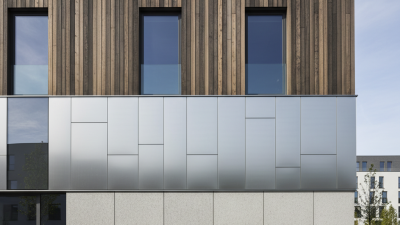
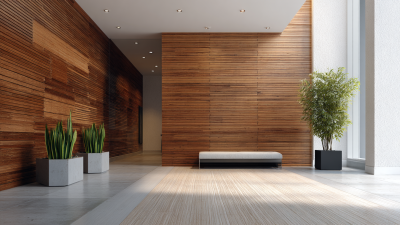
Wall panels are a transformative element in interior design. They can dramatically impact the look and feel of any room. Wood panels bring warmth and a rustic charm. In contrast, sleek metal panels can create a modern, industrial vibe. The choice of material alone can set the tone for your space.
Texture also plays a critical role in aesthetics. Some panels have grooves or patterns that catch light uniquely. These features can enhance visual interest. However, not every design choice works for every home. Experimenting with different styles is essential. A bold pattern may overwhelm small spaces. In contrast, subtle colors might be lost in larger rooms.
Consider how colors influence mood and perception. Dark panels can make a room feel cozier but might also seem smaller. Lighter shades reflect light, creating an airy ambiance. It's a balance between comfort and openness. Reflect on the functionality of chosen panels as well. Will they stand the test of time? Are they easy to maintain? These questions guide a more thoughtful selection process.
Installation Considerations: DIY vs. Professional Installation Rates
When considering wall panels for your home improvement, installation is a key factor.
DIY installation can save money, but it comes with challenges. It requires tools, skills, and time. Are you ready to take on the task?
Mistakes can happen. A miscut panel can create headaches later.
Hiring professionals ensures a polished finish. They handle complexities that may trip up a novice.
However, costs can escalate quickly.
It’s essential to weigh the price. Do you have the budget for expert help? Sometimes, the peace of mind is worth it.
Reflect on your experience level.
If you've tackled home projects before, you might be up for a DIY challenge.
Otherwise, consider the professional route to avoid costly errors.
Proper installation can make or break the final look of your space.
Choose wisely!
Durability and Maintenance: Lifespan of Different Wall Panel Types
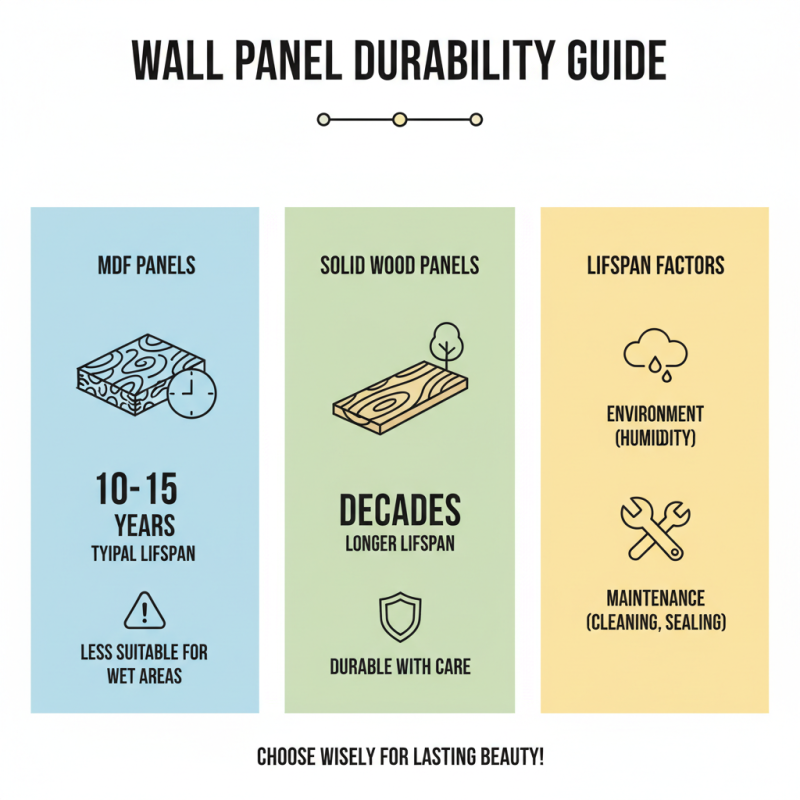
When choosing wall panels for your home improvement project, durability is crucial. Different materials offer varying lifespans. For instance, MDF panels typically last around 10 to 15 years, while solid wood can endure for decades. Their longevity depends on the environment and maintenance. Wet areas may weaken wood over time, making it less suitable for bathrooms or kitchens.
Vinyl panels are popular for their resilience. They resist moisture, scratches, and fading, lasting over 20 years. However, installation is key. Poorly installed vinyl can peel or warp. It’s essential to consider your specific needs and lifestyle. Are you willing to invest in maintenance? Some materials require regular upkeep, while others are more forgiving.
Reflecting on your choices is vital. Will the style remain appealing in years to come? A trendy design today may feel outdated tomorrow. Consider neutral colors that can adapt. Ultimately, the right choice balances durability with aesthetic appeal. What might seem perfect now could require adjustments later on.