2026 How to Choose the Right Composite Cladding for Your Home?
When selecting the perfect composite cladding for your home, various factors come into play. Composite cladding has gained popularity due to its durability and aesthetic appeal. According to the 2023 Industry Analysis Report, the composite cladding market is expected to grow by 10% annually. This growth reflects the increasing interest in sustainable and low-maintenance building materials.
Expert in the field, Dr. Emily Chen, emphasizes the importance of considering environmental impact. She states, "Choosing the right composite cladding can significantly enhance your home's efficiency while reducing its carbon footprint." Potential buyers often overlook critical aspects like material composition and installation requirements. Not every product marketed as composite cladding meets these high standards.
With a plethora of options available, homeowners can feel overwhelmed. Many do not realize that not all composite materials are created equal. It’s crucial to reflect on the long-term benefits versus the initial costs of installation. Finding reliable information and expert advice can lead to better decision-making. Consider your specific needs before making a choice. A well-informed decision today will lead to lasting satisfaction in the future.

Understanding Composite Cladding: What It Is and Why It Matters
Composite cladding is a popular choice for modern homes. Understanding what it is can help you make informed decisions. This type of cladding often combines wood fibers with recycled plastics. According to a recent industry report, composite materials account for over 25% of the cladding market. This number is expected to grow due to their durability and low maintenance.
Homeowners are drawn to composite cladding for several reasons. It offers resistance against weather, rot, and pests. An estimated 80% of homeowners prioritize long-lasting materials for their exteriors. However, it’s important to consider potential downsides. Some products can fade in intense sunlight, impacting aesthetics. Prices also vary; top-quality options can be costly.
Selecting the right composite cladding involves balancing these factors. You need to assess your home's environment and climate. This decision is not just about looks; it’s about sustainability too. Durable materials like these can significantly reduce environmental impact. But not all composites are eco-friendly. Researching certifications is essential for making a responsible choice.
Key Factors to Consider When Choosing Composite Cladding
Choosing the right composite cladding for your home involves careful consideration of several factors. One critical aspect is durability. Not all composite materials are created equal, and some may weather poorly over time. Look for cladding that resists fading, moisture, and pests. Additionally, consider the type of finish you prefer. A smooth finish may look sleek, but textured options can provide better slip resistance for safety.
Another vital factor is aesthetics. Think about how the cladding will complement your home’s architecture. Different colors and textures can dramatically change the appearance of a house. Picture contrasting shades or harmonious tones that blend with nature. Yet, it’s essential to reflect on how these choices will age. Styles may shift over time, so consider the long-term visual appeal of your selection.
Finally, installation plays a key role in the overall effectiveness of your cladding. Proper installation can prevent issues like warping or gaps that let moisture in. Research the installation process thoroughly. If you're unsure, seek professional advice. That’s a step many homeowners overlook. Your choices should not just reflect personal taste but also practical considerations. Each decision carries weight. Reflect on how these factors align with your vision and needs.
Key Factors to Consider When Choosing Composite Cladding
This chart represents the key factors influencing homeowners' choices when selecting composite cladding for their homes. It highlights the importance of durability, maintenance, aesthetics, and cost-effectiveness in the decision-making process.
Different Types of Composite Cladding Materials Available
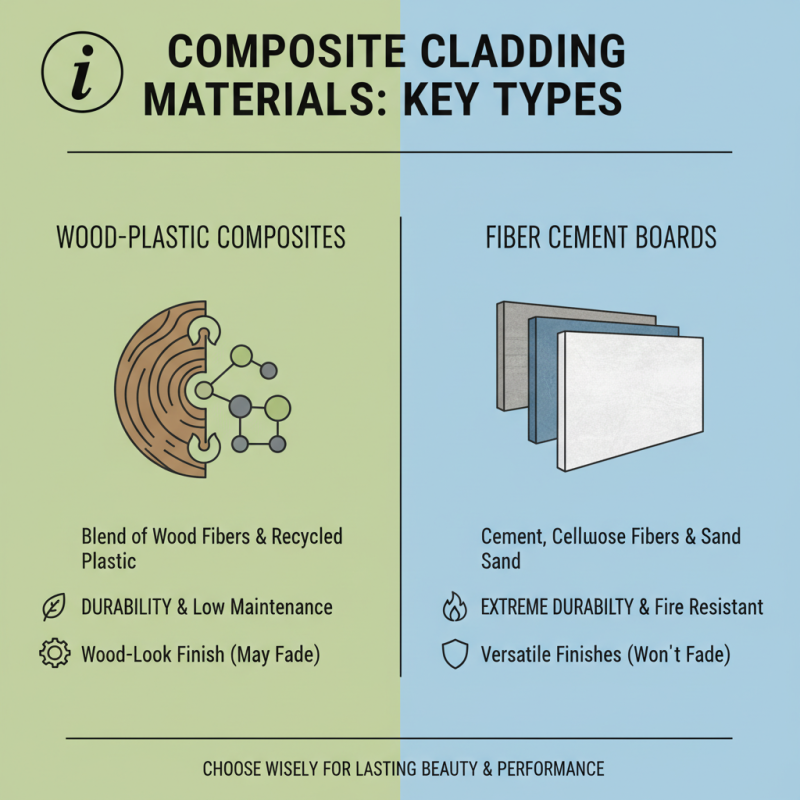
When choosing composite cladding, understanding the types of materials is crucial. There are several options available, including wood-plastic composites and fiber cement boards. Wood-plastic composites blend wood fibers with recycled plastic. They offer durability and reduced maintenance. This option mimics the appearance of real wood, yet it may not age as beautifully.
Fiber cement boards are another popular choice. Made from cement, sand, and cellulose fibers, these boards provide excellent fire resistance. They can withstand harsh weather well, but installation can be tricky. Homeowners often find the weight cumbersome. Additionally, painting fiber cement is sometimes necessary to maintain its look.
Consideration of environmental impact is also essential. Some composites use recycled materials, reducing waste. However, not all composting processes are eco-friendly. It’s important to research the manufacturing practices behind each option. Balancing aesthetics, durability, and sustainability will lead to a more informed decision about the right composite cladding for your home.
Aesthetic Choices: Colors and Finishes for Your Home’s Style
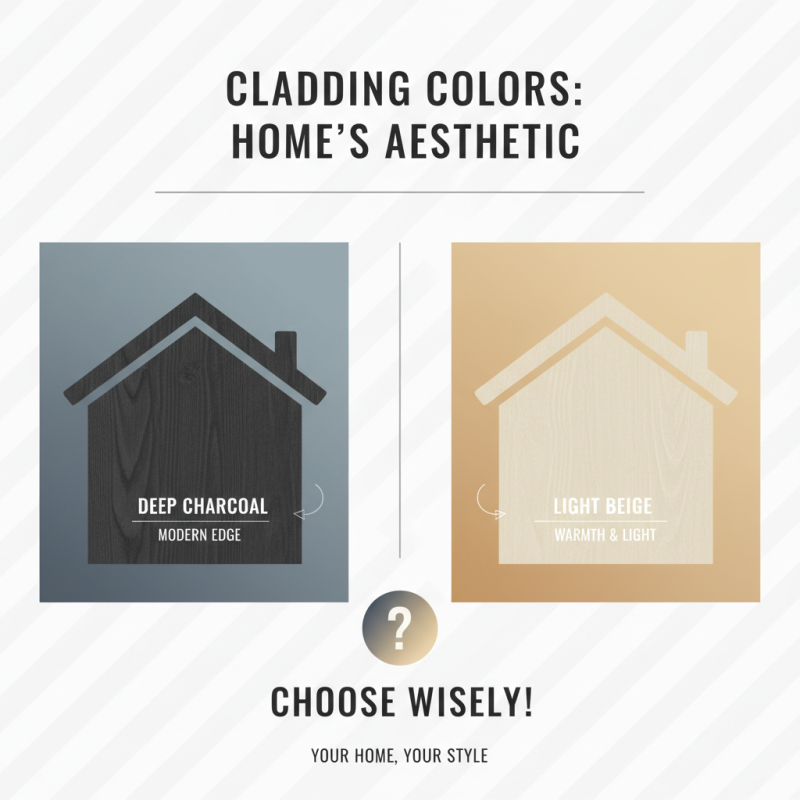
Choosing the right composite cladding for your home involves careful consideration of aesthetic choices. Colors play a significant role in shaping your home’s overall look. A deep charcoal can give a modern edge. Meanwhile, lighter shades, like beige, add warmth and reflect natural light.
Finishes also impact aesthetics. A smooth finish provides a sleek, polished appearance, perfect for contemporary designs. Alternatively, textured finishes can mimic wood or stone, adding character and depth. However, not all colors and finishes will harmonize with your home’s architecture.
Personal preferences vary widely. Some may lean towards bold colors, while others prefer subtle tones. It’s essential to visualize the outcome. Consider taking samples home to see how they interact with natural light. Reflection can reveal imperfections in choices made too quickly. Ultimately, achieving the right blend takes time and thought, ensuring your home radiates both style and comfort.
Cost and Maintenance: Budgeting for Composite Cladding Solutions
When considering composite cladding for your home, cost and maintenance play key roles. The initial investment in composite materials can be higher than traditional wood. Reports indicate that homeowners can expect to pay between $3 to $7 per square foot for composite cladding. This upfront cost might deter some, but it’s essential to consider long-term value.
Maintenance costs are also crucial. Composite cladding typically requires less upkeep than wood, which rots and warps. Industry data shows that composite materials can last 25 years with minimal maintenance. Cleaning and occasional inspections can help prevent significant issues. However, some composites may fade over time, leading to potential replacement costs. Homeowners should be prepared for these variables when budgeting.
Moreover, warranties on composite cladding vary. Many options offer long-term protection, which can cushion future expenses. Research indicates that some manufacturers offer warranties lasting up to 50 years. Yet, not all composites perform equally well; some may not live up to their promises. Homeowners need to investigate and choose wisely to ensure a worthwhile investment.