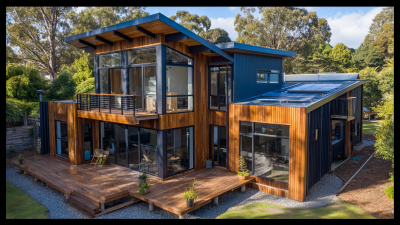
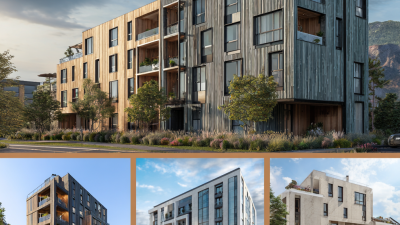
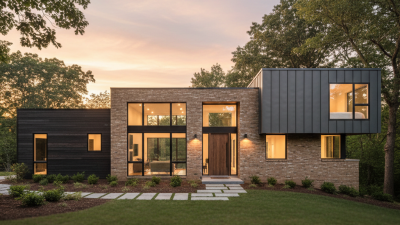
What is Composite Cladding and How is it Used in Construction?
Composite cladding is increasingly popular in modern construction. It offers versatility and durability, making it a top choice for many architects and builders. This material combines wood and plastic to create a strong surface that withstands the elements.
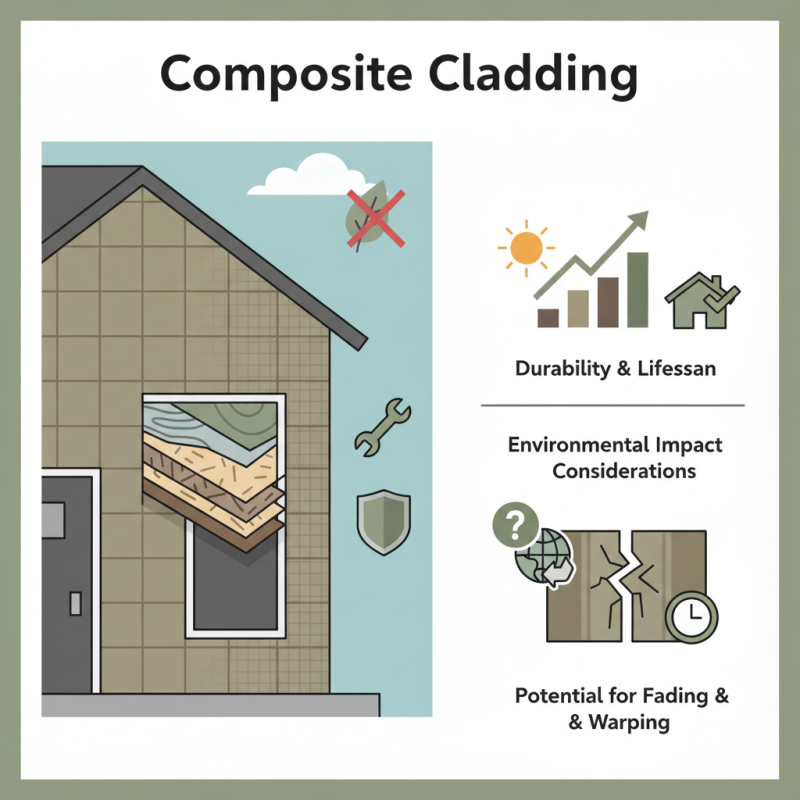
Construction projects benefit greatly from composite cladding. It can mimic the appearance of natural wood but requires less maintenance. This factor alone appeals to many homeowners and developers. While composite cladding has many advantages, it is essential to consider its environmental impact. Some products may not be as eco-friendly as advertised.
The lifespan of composite cladding can vary. Some products may fade or warp over time, which raises concerns. Choosing the right brand and maintaining the installation is crucial for longevity. Overall, composite cladding presents unique benefits and challenges in construction, making it a significant topic for discussion.
Definition and Characteristics of Composite Cladding Materials
Composite cladding is a popular building material. It blends different elements, such as wood fibers and plastics. This combination creates a strong and durable product. Composite cladding often mimics the appearance of natural wood. However, it carries some advantages. It is resistant to rot, insects, and fading from sunlight.
One key characteristic is its low maintenance. Unlike traditional materials, composite cladding doesn't require painting or staining. Cleaning it is easy; a simple wash with soap and water will suffice. This material also comes in a variety of colors and textures, allowing for versatile design options. Many architects appreciate this flexibility.
Despite its benefits, composite cladding is not perfect. Some might argue that it doesn't hold up as well in extreme weather conditions. There are concerns about its long-term environmental impact too. The manufacturing process can involve harmful substances. Users should carefully consider these factors when choosing materials for construction projects.
Types of Composite Cladding: Wood-Plastic, Aluminum, and Fiber Cement
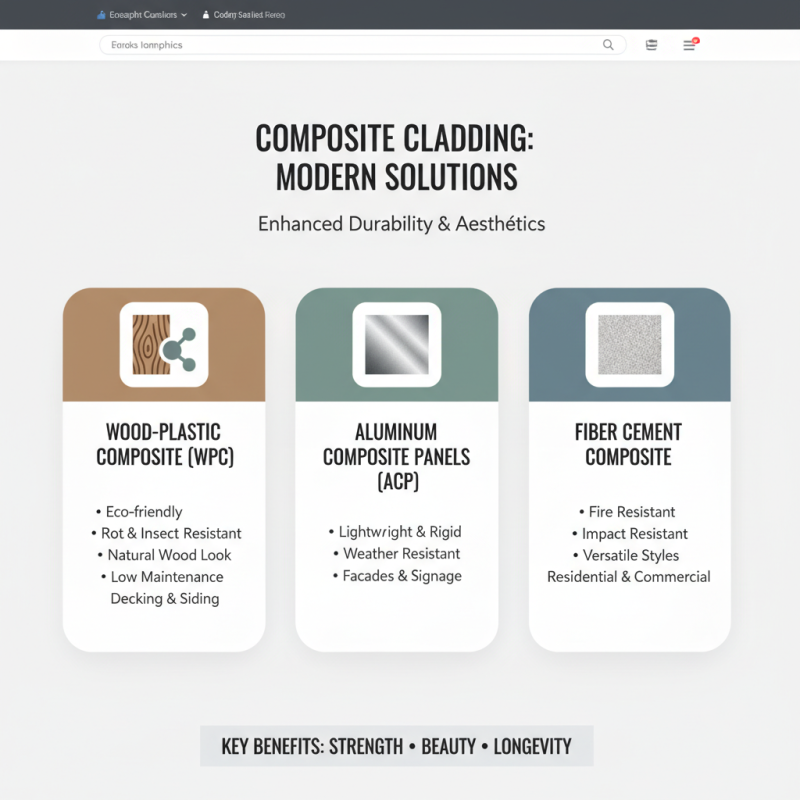
Composite cladding has gained popularity in recent years. It combines materials to enhance durability and aesthetics. Among the most common types are wood-plastic, aluminum, and fiber cement. Each type serves a specific purpose in construction and design.
Wood-plastic composite (WPC) combines wood fibers with plastic. This blend reduces the environmental impact of traditional wood while providing excellent moisture resistance. A report indicates that WPC usage has increased by 20% annually due to its appealing look and durability. However, concerns about its long-term resistance to UV exposure and scratching remain.
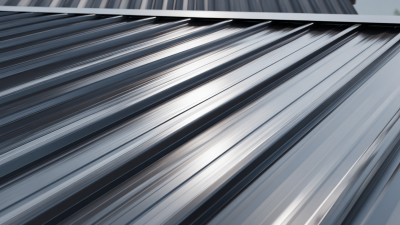
Aluminum cladding is lightweight and resistant to corrosion. It is often preferred for modern and commercial buildings. Its reflective properties can enhance energy efficiency. Despite its advantages, some users report difficulties with denting and maintaining its appearance over time. Additionally, while fiber cement cladding offers fire resistance and durability, it can be heavy and complicated to install. The industry has noted a growing interest in hybrid solutions that combine the benefits of these materials while addressing their shortcomings.
Benefits of Using Composite Cladding in Modern Construction Projects
Composite cladding is gaining popularity in modern construction. It combines materials like wood and plastic, which offers multiple benefits. According to industry reports, around 30% of new buildings incorporate composite cladding. This trend is due to its durability and low maintenance needs.
One major benefit is its resistance to weather and UV rays. Buildings clad in composite materials can last over 25 years. Many property owners appreciate not needing frequent replacement. The thermal efficiency of composite cladding also stands out. Studies have shown it can reduce energy costs by up to 20% in some climates.
However, not all composite products are equal. Some may not perform well in extreme conditions. It's crucial for builders to research thoroughly. Without proper care and understanding, the expected longevity might not be achieved. Investing in quality materials is essential. Overall, composite cladding offers promise but requires careful consideration.
Sustainability and Environmental Impact of Composite Cladding
Composite cladding has gained popularity due to its sustainability features. Made from recycled materials, it helps reduce waste. This innovative material often includes wood fibers and plastics, making it more eco-friendly. The production process generally requires less energy than traditional materials, which is a step towards lower carbon emissions. However, the impact isn't entirely positive.
While composite cladding offers durability, its disposal can pose challenges. Not all recycling facilities can process these materials effectively. Some end up in landfills, countering sustainability efforts. Additionally, the aesthetic appeal can lead to overuse, possibly harming the environment. It's crucial for builders to focus on responsible sourcing.
Using composite cladding requires an understanding of its life cycle. Awareness of potential environmental implications is vital. Educating consumers about proper disposal and recycling can enhance the benefits of this material. It's not enough to select eco-friendly products; consideration of their entire life span is necessary. Reflecting on these factors can lead to better practices in construction.
Sustainability Impact of Composite Cladding Materials