What is Efw Pipe and Why is it Essential for Global Buyers?
Efw Pipe, or Electric Fusion Welded Pipe, plays a vital role in industries globally. Its production uses advanced welding techniques, ensuring reliability and quality. According to a report by Market Research Future, the global market for Efw Pipe is projected to reach USD 7 billion by 2025, driven by growing infrastructure demands.
Industry expert Dr. Emily Chang states, "Efw Pipe is fundamental for modern construction projects." This underscores its importance. Efw Pipe guarantees strength and durability, making it a preferred choice for many applications. However, it comes with challenges. Quality control in production remains a concern, especially in emerging markets.
Furthermore, sourcing Efw Pipe can be complex. Global buyers must navigate varying standards and quality levels. Understanding these nuances is crucial. As the market evolves, buyers must be discerning to secure quality products. The reliance on Efw Pipe will continue to rise as industries focus on innovation and sustainability.
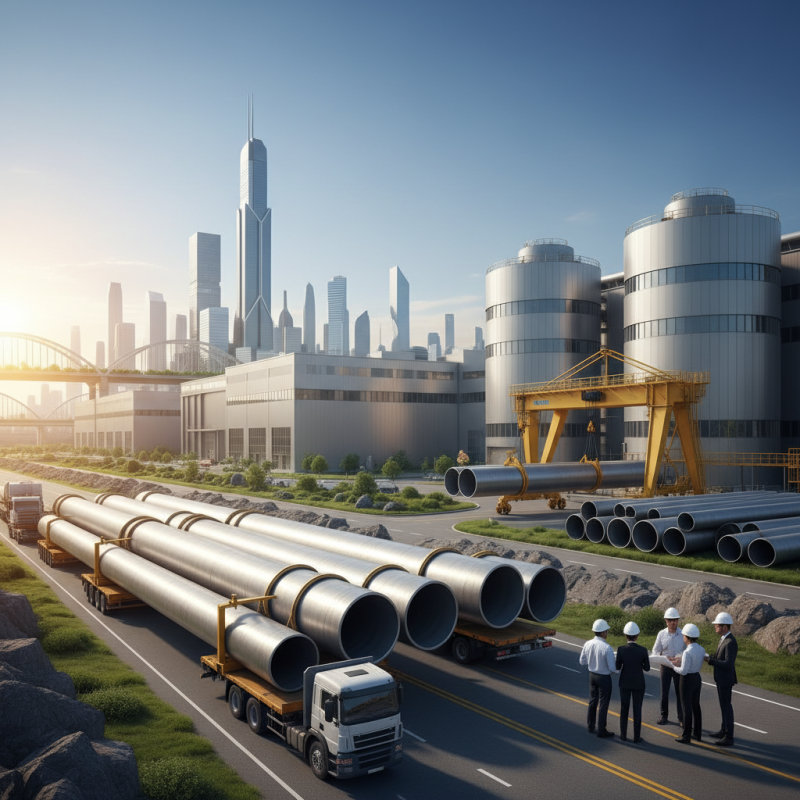
What is Efw Pipe?
EFW pipe, or Electric Fusion Welded pipe, is a specialized product in the piping industry. It is known for its unique manufacturing process that involves heating steel plates and welding them together. This technique ensures a strong, durable pipeline that can withstand various environmental conditions.
One important aspect of EFW pipes is their versatility. They can be used in diverse applications, including oil and gas, water supply, and construction. The quality of the weld is crucial, as it impacts the pipe's integrity. A poorly executed weld may lead to leaks or failures, which can be costly for buyers. Understanding this process can help global buyers make informed decisions.
Additionally, EFW pipes are often more affordable compared to other types of welded pipes. However, lower costs should not compromise quality. Buyers must consider the manufacturer's experience and reliability. A well-established producer is more likely to maintain high standards during the manufacturing process. Without careful shopping, buyers risk investing in subpar materials that can threaten project safety and efficiency.
What is Efw Pipe and Why is it Essential for Global Buyers?
| Dimension | Material | Applications | Advantages | Global Suppliers |
| 2" to 48" | Stainless Steel, Carbon Steel | Oil & Gas, Water Supply | High Strength, Corrosion Resistant | Available Worldwide |
| 1" to 24" | Alloy Steel | Construction, Structural | Cost-effective, Versatile | Regional Distributors |
| 4" to 30" | Carbon Steel | Manufacturing, Pumping | Heat Resistant, Durable | International Suppliers |
| 3" to 20" | Galvanized Steel | Irrigation, Fire Protection | Low Maintenance, Lightweight | Local Manufacturers |
The Manufacturing Process of Efw Pipe
Efw pipe, or electric fusion welded pipe, plays a crucial role in modern construction and infrastructure. The manufacturing process begins with high-quality steel coils. These coils are precisely cold-formed into the desired pipe shape. This ensures uniformity and strength. The edges of the steel are then heated to a specific temperature using electric currents. This fusion process creates a strong bond, ensuring durability.
Post-fusion, the pipes undergo meticulous inspection. Quality checks are essential to confirm they meet global standards. This phase often reveals imperfections that need addressing. Each piece is rigorously tested for strength and reliability. Some manufacturers might overlook this, leading to products that fail to meet necessary specifications.
Surface treatment follows, enhancing corrosion resistance. This step is vital for pipes used in challenging environments. Inspectors often note that even small flaws can compromise performance. Addressing these imperfections during manufacturing prevents future issues. Global buyers must understand the details of this process. Efw pipes should never be seen as just a commodity; their quality hinges on precise manufacturing steps.
Key Applications and Industries Using Efw Pipe
Efw pipe, or electric fusion welded pipe, serves crucial roles across various industries. It is primarily used in construction, oil and gas, and even water distribution systems. This pipe type offers durability and high corrosion resistance, making it ideal for demanding environments. The robust nature of Efw pipe ensures long-term performance in heavy-duty applications.
In the construction sector, Efw pipe is favored for its strength and reliability. It supports structural frameworks, ensuring safety for buildings and bridges. Similarly, in the oil and gas industry, it facilitates the transportation of materials over long distances. Many companies rely on Efw pipes for their ability to withstand high pressure and harsh conditions.
Water distribution systems also heavily utilize Efw pipe. Its ability to handle high-flow rates is essential for maintaining infrastructure in urban areas. This application highlights the versatility of Efw pipes. However, challenges like supply chain delays and fluctuating material costs can impact availability and project timelines. Continuous improvements and innovations in manufacturing are necessary to address these issues and enhance overall reliability.
Advantages of Using Efw Pipe for Global Buyers
Efw pipe, or Electric Fusion Welded pipe, is emerging as a vital choice for global buyers. This pipe is formed using high-frequency electric currents and is known for its robust structure and versatility. It is especially beneficial in industries such as oil and gas, water supply, and construction.
One of the primary advantages of Efw pipe is its cost-effectiveness. The manufacturing process is efficient, which often translates to lower prices. Moreover, Efw pipes exhibit excellent durability. They resist corrosion and wear, extending their lifespan, which lowers replacement costs over time. Buyers deploying Efw pipe can enjoy significant long-term savings, making it an attractive option.
Tips: Always assess the specifications of Efw pipe to ensure they meet project requirements. Take time to review your supplier's reputation. Reliable suppliers can provide essential insights into product quality and safety standards. Remember, not all Efw pipes are created equal. Conduct thorough research before making large purchases.
Factors to Consider When Purchasing Efw Pipe
When considering the purchase of Efw (Electric Fusion Welded) pipes, several factors are crucial. First, the material quality plays a significant role. These pipes often consist of carbon steel, stainless steel, or alloy materials. Assessing the specific requirements of your project can guide your material choice.
Additionally, the dimensions and thickness of the pipes must align with your application. Efw pipes come in various sizes. A mismatch can lead to potential inefficiencies. Buyers should also consider the manufacturing process. Efw pipes undergo a unique welding technique. Understanding this can help you gauge the pipe's durability and applications.
Lastly, sourcing from reliable suppliers is vital. This ensures the integrity of the pipes. Some companies may claim high quality but fail to deliver. Regularly verifying supplier credentials can mitigate such risks. Engaging with knowledgeable experts can also provide deeper insights. Having reliable partnerships can enhance your purchasing experience significantly.