10 Essential Tips for Choosing Cladding Panels for Your Project?
Choosing the right cladding panels is crucial for any construction project. According to the Global Construction Market Report, cladding systems account for up to 15% of a building’s total cost. Therefore, selecting the right materials can greatly impact both aesthetics and budget.
In recent years, the demand for cladding panels has surged. Many architects now prioritize energy efficiency and sustainability. A report by the Building Research Establishment states that over 60% of new buildings are using environmentally friendly materials. However, with so many options available, making the right choice can feel overwhelming.
The selection process often reveals flaws in decision-making. Many overlook long-term durability and maintenance costs. It's common to encounter products that seem appealing but fail in practical applications. Therefore, being informed is key to ensuring a successful outcome for your project.
Understanding Different Types of Cladding Panels Available
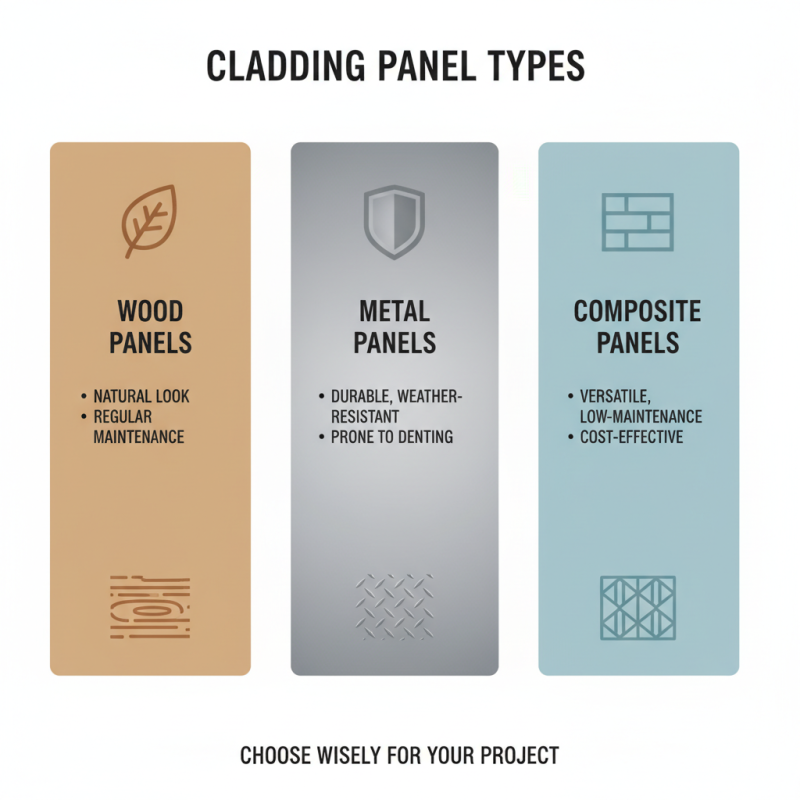
When selecting cladding panels for your project, understanding the different types available is crucial. There are several materials to consider, each with unique traits. For example, wood offers a natural aesthetic but requires regular maintenance. Metal panels, on the other hand, are durable and resistant to weathering, yet they can be prone to denting.
Another option is vinyl. It's cost-effective and comes in various colors. However, its longevity can be a concern in extreme climates. Fiber cement panels combine the best of both worlds, offering durability and a range of finishes. Yet, they might be heavier and more complex to install.
A key tip is to reflect on your project's specific needs. Assess the climate and the architectural style of your building. Consider energy efficiency and insulation properties as well. Don't overlook local building codes as they can impact your choices too. Each project is unique, and a one-size-fits-all solution rarely works. It's important to take the time to weigh your options carefully. Choose wisely to avoid costly mistakes in the future.
Evaluating Durability and Weather Resistance of Cladding Materials
When selecting cladding panels, evaluating the durability and weather resistance of materials is crucial.
Weather can be unpredictable, and your choice in cladding can impact the lifespan of your building.
For example, look for materials that can withstand harsh sunlight, heavy rain, or snow.
Some materials may appear sturdy but lack resistance to extreme weather over time.
It's essential to conduct thorough research. Consider local climate conditions and how they affect your chosen materials.
Tests on UV resistance and water absorption can reveal hidden vulnerabilities.
If you skip this step, you might face unexpected issues later.
Additionally, choose materials with proven performance records.
This doesn’t guarantee perfection, but it can minimize risks. Avoid trendy options that may not have substantial evidence supporting their durability.
Instead, lean towards established materials known for longevity.
Whether it's metal, vinyl, or wood composite,
ensure they meet or exceed local building codes.
Assessing Aesthetic Appeal and Design Compatibility for Your Project
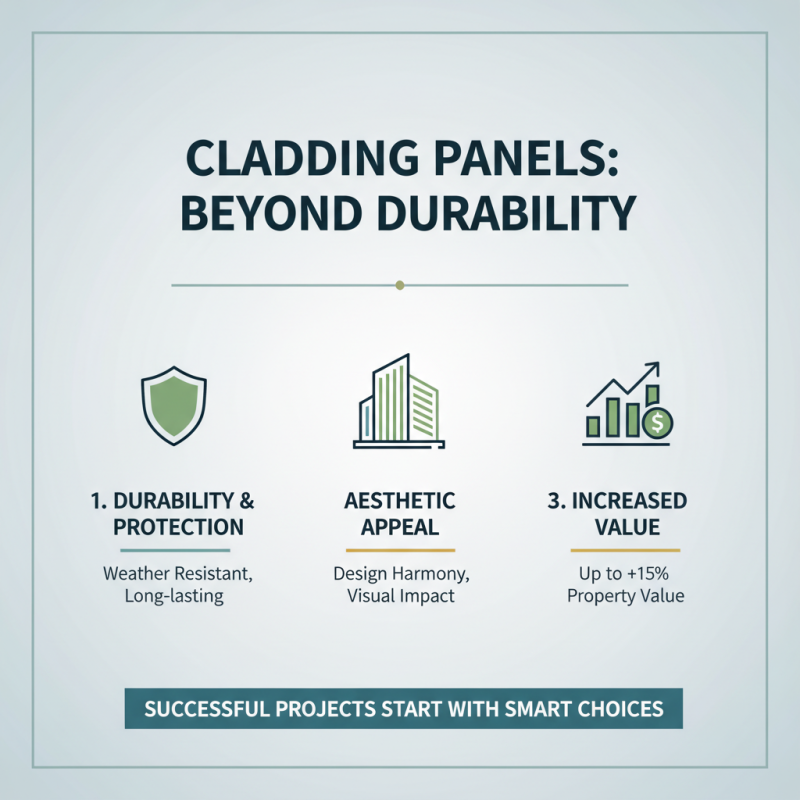
Choosing the right cladding panels involves more than just durability. Aesthetic appeal plays a crucial role in your project’s success. Research indicates that buildings with visually appealing facades can increase property values by up to 15%. Therefore, ensuring the design complements the overall architecture is essential.
When assessing design compatibility, consider the color palette. Specific hues can evoke different emotions. For instance, warm tones like reds and oranges create a cozy feel. Cooler tones, such as blues and grays, promote tranquility. Evaluate how these colors work in surrounding landscapes.
Tip: Utilize software tools to visualize cladding options against your project's backdrop. Create a digital mockup of various materials. This visual cue helps in understanding proportion and scale.
Don’t overlook texture. Different finishes, such as smooth or rough surfaces, affect how light interacts with the cladding. A rough texture can alter the perception of depth. This is an opportunity to create visual interest. However, it may complicate cleaning and maintenance. Balance aesthetics with function.
Tip: Seek feedback from diverse perspectives during the design phase. Engaging a range of opinions can highlight aspects you might overlook. It’s easy to miss how certain materials could clash.
Analyzing Budget Considerations and Cost-Effectiveness of Options
When selecting cladding panels, budget is a vital factor. Costs can vary significantly based on materials, styles, and installation. While some options may appear economical, hidden expenses can quickly add up. For instance, consider maintenance costs alongside installation. Over time, more expensive materials might deliver long-term savings.
Don't forget to evaluate the life cycle of each option. Some panels might be cheaper upfront but require frequent replacements or repairs. Think about energy efficiency too. Insulating panels can reduce heating and cooling costs. This investment may pay off in the end, even if initial expenses seem higher.
It’s also helpful to compare quotes from different suppliers. This process can reveal unexpected price distinctions. Some manufacturers may offer discounts on bulk orders or specials for new customers. Be cautious; saving money shouldn’t compromise quality. Weigh your priorities carefully and remember that the right choice isn't always the cheapest. Trust your instincts, but also allow for some revisions along the way.
Considering Installation Requirements and Maintenance for Cladding Panels
When selecting cladding panels, installation requirements and maintenance strategies play a crucial role. The type of material chosen can significantly impact how easily panels can be installed. For instance, heavier materials may require specialist tools and additional manpower, which could increase your project's overall cost. Lighter options might be easier to manage, but they need to be robust enough to withstand local environmental conditions.
Consider the maintenance needs of your chosen panels. Some materials are more resilient against weather elements, while others may require regular upkeep to maintain their appearance. Take wood, for example. It can give an attractive finish but needs treatment against rot. On the other hand, metal panels can be less demanding. They resist rust and fading but might dent easily.
Tip: Always assess the climate in your area. A panel that works well in one environment might struggle in another. It's essential to understand these needs upfront. A good installation can save time and money later. Investing time in planning can lead to better results. This way, you avoid costly repairs down the road and have a structure that stands the test of time. Aim for a balance between style and practicality.
Cladding Panels: Installation Requirements and Maintenance Considerations