What is the Role of Building Materials in Construction?
In the realm of construction, the selection of building materials stands as a pivotal factor. Experts agree on this significance. "The right materials can make or break a structure," says Dr. Sarah Thompson, a renowned civil engineer. Her insight sheds light on the vital role that building materials play.
Building materials influence durability, cost, and aesthetics. They determine how a structure withstands environmental challenges. Yet, choosing materials is not always straightforward. Factors like availability and sustainability often complicate the decision-making process. Many builders struggle with balancing cost and quality.
Moreover, the impact of building materials extends beyond physical strength. They shape the functionality and energy efficiency of a building. This duality brings a need for careful consideration. As the industry evolves, new materials emerge, demanding constant reflection on past practices. Finding the right balance is crucial for both builders and owners.
The Importance of Building Materials in the Construction Industry
Building materials play a critical role in the construction industry. They influence quality, durability, and aesthetics. According to a recent industry report, about 60% of the construction budget is spent on materials alone. This highlights their importance in impacting project costs and timelines.
Choosing the right materials can lead to significant energy savings. Studies show that buildings using energy-efficient materials can reduce energy consumption by up to 30%. Think about insulation and sustainable resources. They not only cut costs but also benefit the environment.
Tip: Always assess the lifecycle of materials. Some materials may have lower upfront costs but higher long-term expenses. Also, consider local availability. Supply chain issues can delay projects and increase costs unexpectedly.
Another aspect is waste management. The construction industry generates a significant amount of waste. In fact, it accounts for about 30% of all waste in landfills. Efforts to reduce this waste can enhance project efficiency. Striving for sustainability in material choice can reduce both environmental impact and long-term costs.
Importance of Building Materials in Construction
The chart above illustrates the percentage of usage of various building materials in the construction industry. Concrete remains the most utilized material due to its strength and versatility, followed by steel, wood, brick, and glass, reflecting the diversity of materials that cater to different construction needs.
Types of Building Materials and Their Characteristics
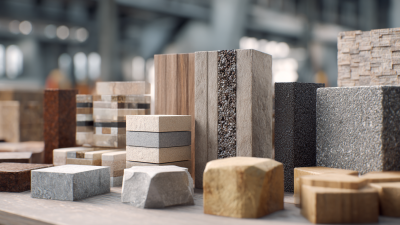
Building materials play a crucial role in construction projects. They determine the safety, durability, and aesthetic of structures. Various types of materials offer unique characteristics suited for different needs.
Concrete is strong and versatile. It's commonly used for foundations and walls. However, it can crack over time. Wood offers warmth and beauty. It's lightweight but may be susceptible to rot or pests. Steel is known for its strength. It allows for taller buildings, but it can rust without proper care.
Brick creates timeless elegance and good insulation. Yet, it can be more expensive and labor-intensive. Each material has advantages and drawbacks. Choosing the right one requires careful consideration and planning to avoid future issues.
What is the Role of Building Materials in Construction? - Types of Building Materials and Their Characteristics
| Type of Building Material |
Characteristics |
Common Uses |
| Concrete |
Strong, durable, fire-resistant, versatile |
Foundations, walls, pavements |
| Steel |
High tensile strength, ductility, corrosion-resistant |
Support structures, beams, frames |
| Wood |
Lightweight, renewable, good thermal insulation |
Framing, furniture, roofs |
| Brick |
Durable, fire-resistant, good for thermal mass |
Walls, pavements, arches |
| Glass |
Transparent, aesthetic appeal, UV resistance |
Windows, facades, partition walls |
| Stone |
High compressive strength, durable, natural look |
Landscaping, walls, monuments |
The Impact of Building Materials on Structural Integrity
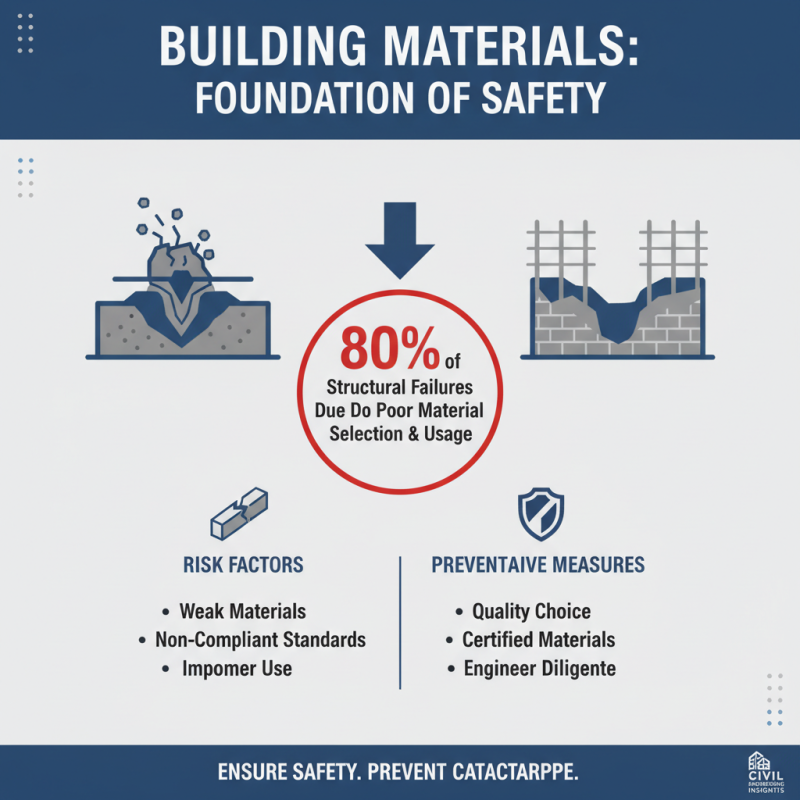
Building materials play a crucial role in construction. The choice of materials significantly affects structural integrity. According to a report by the International Journal of Civil Engineering, about 80% of structural failures result from poor material selection and usage. Engineers must ensure that materials meet safety standards. Such diligence can prevent catastrophic failures.
Concrete and steel are commonly used in construction due to their strength and durability. However, they can deteriorate over time, especially if not properly maintained. A study published in the Journal of Construction and Building Materials indicates that 30% of structures over 20 years old show signs of material degradation. Choosing the right blend of materials can mitigate these issues.
Sustainability is also a growing concern in construction. Data from the World Green Building Council reveals that sustainable materials can reduce energy consumption by up to 30%. Many buildings still rely on traditional materials, which can be short-sighted. While they may seem cost-effective, the long-term structural health may suffer. Each material choice should involve careful consideration to ensure safety and efficiency.
Sustainability Considerations in Material Selection
Sustainability in construction is becoming increasingly important. Choosing the right materials can significantly impact the environment. Builders often face challenges when balancing cost and sustainability. Some materials might be cheaper but harmful. This creates a dilemma for many in the industry.
When selecting materials, life cycle assessments are crucial. These assessments evaluate the environmental impact of materials from extraction to disposal. Recycled materials can minimize ecological footprints. However, they may not always meet strength requirements. This raises questions about their reliability in structural applications.
Local resources can offer sustainable options as well. Transporting materials over long distances increases carbon emissions. Using local materials reduces this impact but may limit choices. Builders must weigh these factors carefully. It's essential to think critically about both functionality and sustainability in every project.
Future Trends in Building Materials for Construction
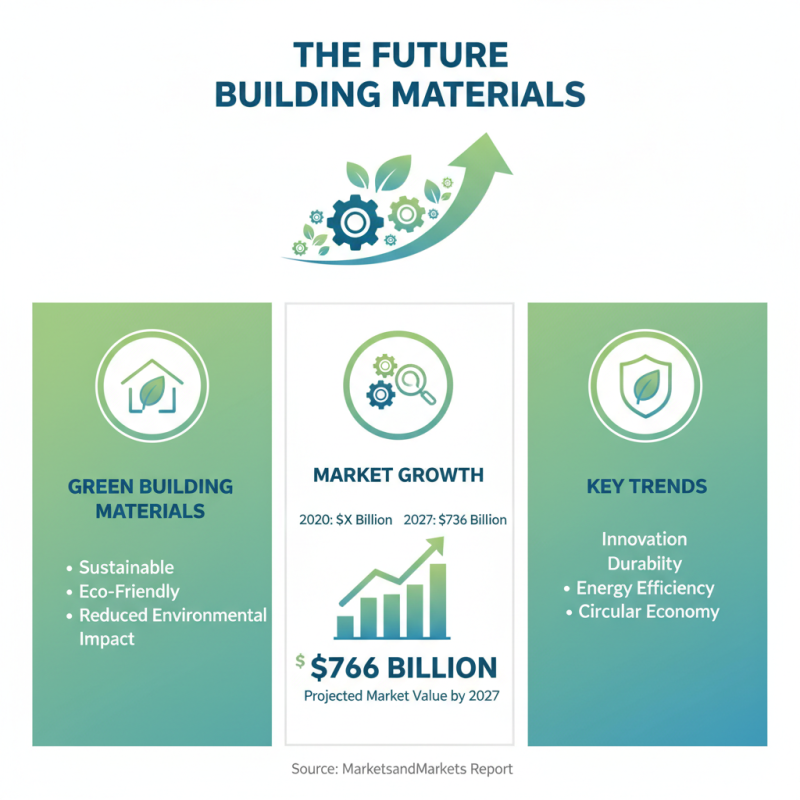
The construction industry is evolving rapidly, especially in building materials. Future trends indicate a shift towards sustainable and innovative materials. According to a recent report by MarketsandMarkets, the global green building materials market is projected to reach $736 billion by 2027, reflecting a significant increase from previous years. This growth demonstrates the increasing importance of eco-friendly materials in construction.
Recycled materials are gaining traction. Companies now use reclaimed wood, recycled steel, and other sustainable options. These materials reduce environmental impact while often providing cost savings. However, the challenge lies in ensuring these materials meet safety standards and performance expectations. The industry must work harder to address these concerns and develop reliable systems.
Tips: Consider the long-term benefits of sourcing sustainable materials. Monitor potential price fluctuations and availability. Investing in innovative materials might save costs down the line. It's crucial to stay informed about new technologies and practices. Embracing change can improve project outcomes rather than sticking with traditional options, which may not always be the most effective choice.