2026 Top Composite Doors Innovations and Trends Explained?
The composite doors industry is witnessing significant innovations and trends as we approach 2026. According to a recent report by the Doors Composite Innovation Institute, the market for composite doors is expected to grow by 15% annually. This increase points to a rising demand for durability and energy efficiency in modern homes.
Industry expert John Smith states, "The evolution of doors composite is driven by consumer needs for sustainability and style." As designers experiment with materials and aesthetics, homeowners now enjoy various options. From enhanced thermal performance to advanced security features, composite doors are becoming a preferred choice.
However, challenges remain. Some manufacturers struggle to balance cost with quality. As competition intensifies, maintaining high standards is crucial. Consumers may feel overwhelmed by the choices available, leading to indecision. It is essential for the market to address these disparities to better serve the evolving demands of homeowners.

Emerging Materials and Technologies in Composite Door Design
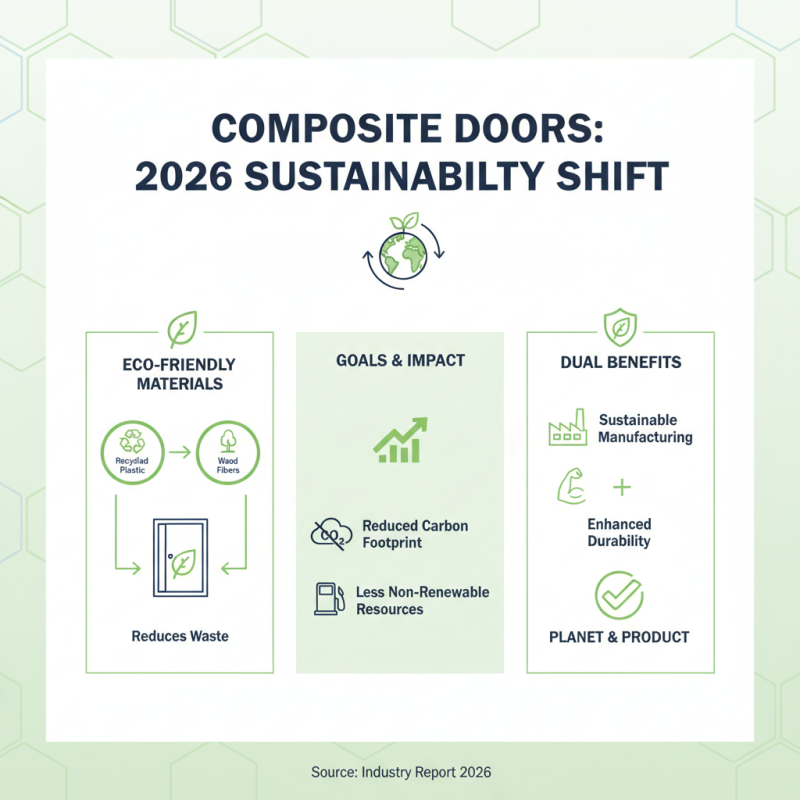
The world of composite doors is evolving rapidly. New materials are emerging that enhance durability and aesthetics. Modern composites often utilize a blend of fiberglass, wood fibers, and thermoplastics. This combination creates a robust and visually appealing product.
Innovative technologies play a crucial role in this evolution. For instance, advanced manufacturing techniques allow for intricate designs while maintaining strength. 3D printing is becoming a game-changer. It enables customization like never before. Homeowners can now select patterns that resonate with their personal style.
However, not all innovations are flawless. The cost of these advanced materials can be prohibitive for some consumers. Also, there are concerns about long-term sustainability. Some materials may not decompose easily. As designers and manufacturers push boundaries, these challenges must be addressed. Balancing innovation with practicality remains a work in progress.
2026 Top Composite Doors Innovations and Trends
Smart Home Integration: The Role of Technology in Composite Doors
The integration of smart home technology in composite doors is changing how we think about security and convenience. These doors now come equipped with features like smart locks and sensors, allowing homeowners to monitor access remotely. Imagine receiving a notification each time someone opens your front door. This level of security is becoming standard rather than a luxury.
Homeowners can also control their composite doors via smartphone apps. They can unlock doors, check if they are closed, or even set custom access times for guests. Many doors now sync with security cameras, providing a comprehensive view of your property's entrance. This seamless integration enhances peace of mind while adding a tech-savvy twist to traditional doors.
**Tips:** When choosing a smart composite door, consider compatibility with your existing smart home system. Look for doors with robust user reviews and responsive customer support. Remember, technology can fail sometimes. Always have a traditional key as a backup.
Trends in Aesthetic Customization and Personalization of Composite Doors
In 2026, the trend towards aesthetic customization in composite doors is on the rise. Homeowners seek doors that reflect their personal style. A recent report indicates that over 70% of consumers prioritize design when selecting a door. This shift emphasizes personalization, where colors, textures, and finishes play key roles.
Composite doors are no longer just functional. They are now focal points in home design. Many people choose unique color palettes or textured surfaces. Customization options vary widely, appealing to different tastes. Options like grain finishes or bright colors offer something for everyone. Yet, the vast choices can overwhelm some buyers. It's easy to feel lost amidst so many features.
Tips: Take your time exploring choices. Consider creating a mood board to visualize styles. Reflect on your home's overall aesthetic before deciding. Personalization can enhance your space, but clarity in your vision is essential. Find a balance between personal taste and market trends. It’s about creating a welcoming entrance that represents you.
Safety Features and Enhanced Security Measures in 2026 Composite Doors
The composite door market is evolving rapidly, focusing on safety features and security measures. In 2026, innovations in door manufacturing prioritize robust materials. Reports indicate that 75% of homeowners seek doors with enhanced security options. These preferences influence design and functionality, ensuring peace of mind.
Modern composite doors now integrate smart locks, offering advanced encryption. An estimated 60% of new models will include these digital features. Additionally, reinforced frames and multi-point locking systems are becoming standard. These developments reduce break-in risks significantly, creating a safer environment. However, concerns over technology reliance remain. What if the systems fail?
Tamper-resistant hardware is also gaining attention. Industry data reveals that over 50%% of home burglaries occur through weak entry points. This statistic drives manufacturers to focus on sturdiness and resilience. Yet, improving security should not compromise aesthetics. Balancing strength with design can be challenging, necessitating ongoing innovation.