Top 10 Exterior Cladding Options for Your Next Project?
When it comes to enhancing the aesthetic appeal and durability of a building, "exterior cladding" is a critical choice. Renowned architect Sarah Thompson, an expert in sustainable design, states, "The right exterior cladding can transform a space and protect it from the elements." This highlights the fundamental role of cladding in modern architecture. With various materials and styles available, selecting the appropriate exterior cladding can be a daunting task.
Exterior cladding not only contributes to a building's visual impact but also impacts energy efficiency and maintenance costs. Options range from traditional wood to innovative composite materials. Each choice bears its advantages and challenges, which can lead to confusion for many. Understanding these nuances is essential for making informed decisions.
Navigating through the top ten options for exterior cladding offers valuable insights. This variety presents both opportunities and pitfalls. Ultimately, understanding the specifics allows homeowners and builders to reflect on their choices effectively.
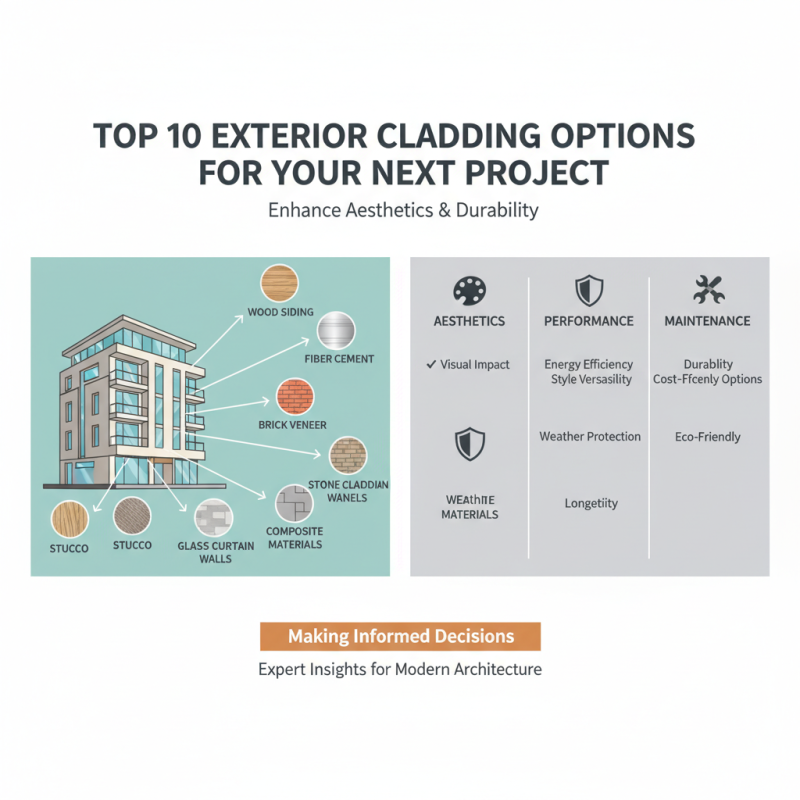
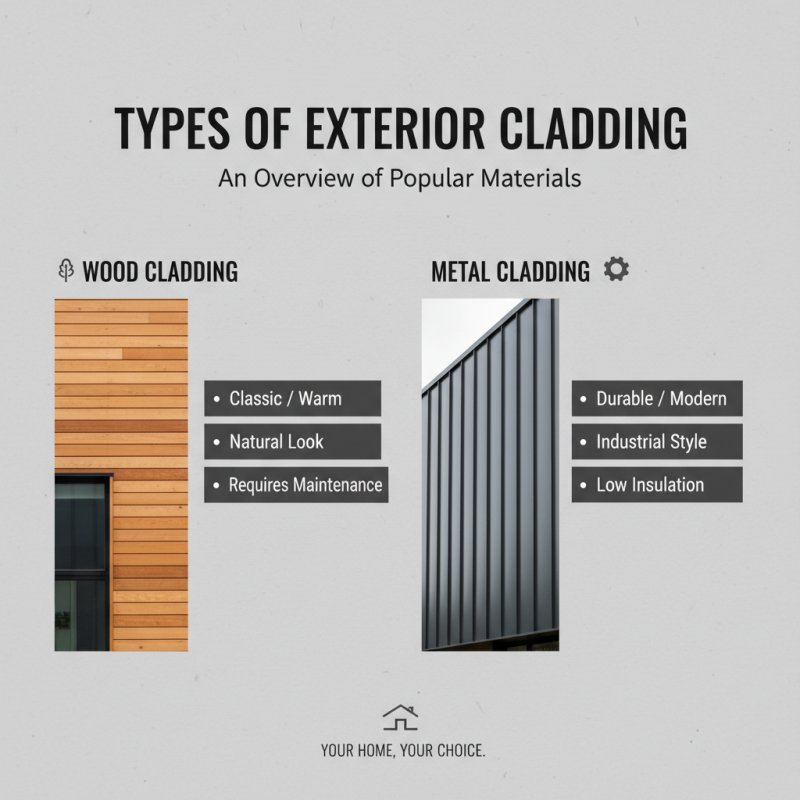
Types of Exterior Cladding: An Overview of Popular Materials
When considering exterior cladding options, a range of materials come into play. Wood, for instance, offers a classic appeal. It provides warmth but requires regular maintenance to prevent decay. Metal cladding is durable and modern, often used for industrial-style buildings. Its longevity is appealing, yet it may lack insulation properties.
Brick cladding is timeless and sturdy. It enhances aesthetic appeal and offers great insulation. However, brick can be costly and labor-intensive to install. Vinyl is another popular choice, available in many colors. It’s low maintenance, but it may not be as durable as other materials.
Tips: Consider local climate when choosing materials. Some materials perform better in certain conditions. Reflect on your long-term maintenance capacity. It’s vital to balance aesthetics and functionality. Don’t overlook installation costs, which can impact your budget significantly. Each choice comes with its own set of challenges that require thoughtful consideration.
Wood Cladding Options: Benefits and Aesthetic Appeal
Wood cladding offers a warm and inviting aesthetic for any building project. The natural grain and texture of wood create a timeless beauty that can enhance both traditional and contemporary designs. With options like cedar, pine, and redwood, homeowners can select materials that suit their preferences. Each type of wood brings its unique charm. For example, cedar is naturally resistant to decay, making it a durable choice for outdoor applications.
Installing wood cladding provides not only visual appeal but also practical benefits. It enhances insulation, helping to regulate indoor temperatures. This can lead to energy savings over time. However, maintenance is essential. Without proper care, wood can warp or fade. Regular sealing or staining is necessary to protect the surface from the elements.
While wood delivers aesthetic value, it also demands attention to maintain its beauty. Every project requires a balance between aesthetic and upkeep.
Vinyl and Metal Cladding: Durability and Maintenance Considerations
When considering exterior cladding options, durability and maintenance are crucial factors. Vinyl cladding is known for its resistance to moisture and pests. A recent industry report indicates that vinyl can last over 30 years with minimal upkeep. This longevity is appealing for homeowners seeking low-maintenance solutions. However, it's important to monitor for fading and warping, especially in extreme weather conditions.
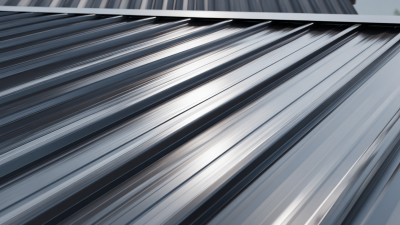
On the other hand, metal cladding presents a different set of strengths. Steel or aluminum options are robust. Studies show that metal cladding can withstand severe weather, making it suitable for various climates. It is resistant to rot, mold, and insects. However, scratches and dents can occur, which may impact its appearance. Keeping an eye on corrosion is essential, too. Regular maintenance can prevent these issues and extend the lifespan of the material.
Both vinyl and metal are excellent choices depending on the specific needs of a project. They offer a blend of aesthetics and performance. Understanding their maintenance needs is vital. Balancing durability against upkeep ensures that the selected cladding remains reliable over time. In a world where building materials face harsh conditions, making an informed choice is essential.
Top 10 Exterior Cladding Options for Your Next Project
| Cladding Type |
Durability (Years) |
Maintenance Level |
Cost Range ($/sq ft) |
Insulation Value (R-Value) |
| Vinyl |
25-40 |
Low |
2-7 |
R-2 to R-3 |
| Metal |
40-70 |
Low |
5-10 |
R-3 to R-5 |
| Wood |
10-30 |
Medium |
6-15 |
R-1 to R-2 |
| Brick |
50-100 |
Low |
8-12 |
R-1.5 to R-3 |
| Stucco |
30-50 |
Medium |
6-10 |
R-1 to R-2 |
| Fiber Cement |
25-50 |
Low |
5-10 |
R-2 to R-3 |
| Natural Stone |
100+ |
Low |
10-15 |
R-1.5 to R-3 |
| Composite |
30-50 |
Low |
4-8 |
R-3 to R-4 |
| Glass |
20-30 |
Medium |
15-25 |
R-3 to R-5 |
| Vinyl Siding |
30-40 |
Low |
3-8 |
R-2.5 to R-4 |
Brick and Stone Cladding: Timeless Elegance and Strength
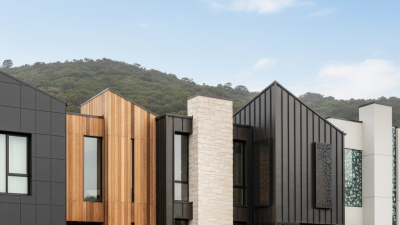
Brick and stone cladding is a classic choice for any building project. This exterior option brings timeless elegance, offering a rustic charm and rugged durability. The natural texture of stone and the rich hues of brick can enhance a facade dramatically. Whether you aim for a modern look or a traditional vibe, these materials can fulfill both styles effortlessly.
When choosing brick or stone, consider the local climate. Some stones absorb moisture, leading to issues in colder regions. It's essential to select materials that will withstand the environment. Think about color as well; darker shades can heat up in sunlight, affecting energy costs. Balancing aesthetic appeal with functionality is crucial.
Tips: Always invest time in proper installation. Inadequate application can diminish the materials' lifespan. Hiring a professional could save money in the long run. Also, think about maintenance. While brick and stone are durable, they may require sealing to prevent water infiltration. Regular check-ups can help preserve their beauty.
Innovative Cladding Solutions: Sustainable and Modern Choices
Innovative cladding solutions are transforming the way we think about building exteriors. Sustainable materials are gaining attention. For instance, recycled metals and natural wood are popular choices for those looking to reduce their carbon footprint. These materials not only provide durability but also offer aesthetic charm. Imagine a home that blends beautifully with its surroundings, thanks to its eco-friendly cladding.
Modern cladding options also include innovative composites. These materials can mimic the look of wood or stone without the maintenance headaches. However, it's crucial to consider longevity and performance. Some composites may degrade over time, leading to unexpected costs. Property owners should evaluate the specific environmental conditions their cladding will face. This can prevent future headaches, both financially and aesthetically.
Choosing the right cladding material is not merely an aesthetic decision; it involves thoughtful consideration of sustainability and resilience. Each option comes with its benefits and drawbacks. Homeowners often face dilemmas between visual appeal and functionality. This ongoing challenge makes the exploration of innovative solutions vital. The goal is to find a balance that satisfies both desire and practicality.
Top 10 Exterior Cladding Options
This chart illustrates the popularity ratings of various exterior cladding options based on recent trends in sustainable and modern architecture. Each option has been rated from 1 to 10, reflecting its preference among architects and builders in contemporary construction projects.