What are the Benefits of PVC Cladding for Global Buyers
PVC cladding has gained popularity among global buyers. This innovative material offers numerous benefits that cater to diverse needs. John Smith, a renowned expert in the PVC cladding industry, emphasizes, "PVC cladding combines durability with aesthetic appeal, making it ideal for modern applications." He highlights the versatility and resilience of this material.
The advantages of PVC cladding are extensive. It is lightweight, easy to install, and requires little maintenance. Global buyers appreciate these features, as they lead to reduced labor costs and longer product lifespans. The weather-resistant nature of PVC means it can withstand harsh climates without deteriorating. This durability ensures that investments in PVC cladding are protected over time.
Despite its many benefits, buyers must also consider potential drawbacks. Some may worry about the environmental impact of PVC products. However, advances in recycling technologies are addressing these concerns. Evaluating both pros and cons is essential for making informed choices. As the demand for sustainable building materials rises, the PVC cladding industry continues to evolve.
Benefits of PVC Cladding in Construction and Design
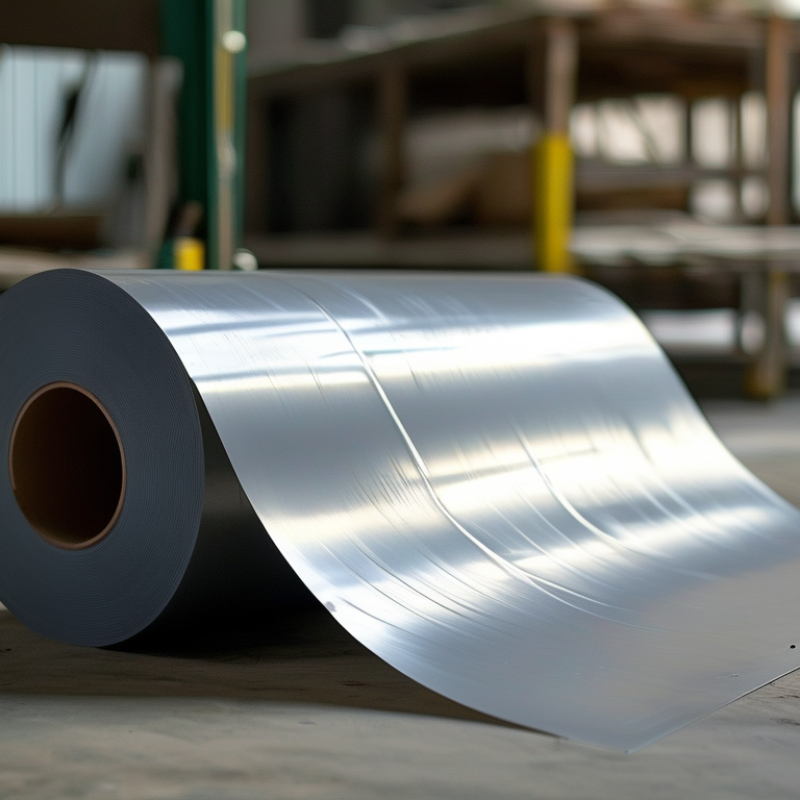
PVC cladding has gained popularity in recent years due to its unique benefits in construction and design. This material offers excellent durability, weather resistance, and low maintenance needs. According to industry reports, PVC cladding can last over 30 years, significantly reducing the need for replacements. This longevity contributes to lower overall building costs, making it an attractive option for global buyers.
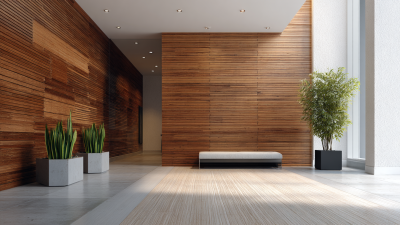
In the realm of design, PVC cladding allows for versatility. It can mimic the look of wood, metal, or stone, providing aesthetic options without the drawbacks of these materials. This adaptability has led to a 15% increase in its usage in architectural projects, as surveyed by the International Building Council. With growing environmental concerns, many manufacturers now produce eco-friendly PVC options that align with sustainable building practices.
Tip: When choosing PVC cladding, consider the local climate. Cladding must be able to withstand specific environmental conditions. Quality can vary; always research before purchasing. Ensuring proper installation is crucial. Improperly installed cladding may lead to water damage and reduces its potential lifespan.
Durability and Low Maintenance Advantages of PVC Cladding
PVC cladding offers remarkable durability, making it an ideal choice for various climates. Unlike wood, it resists rot and pests, leading to longer-term use. This durability means fewer replacements and repairs over time. Moreover, PVC materials can withstand harsh weather conditions without warping or fading. These characteristics translate into significant cost savings for global buyers.
The low maintenance aspect of PVC cladding is equally compelling. Regular cleaning with soap and water is generally sufficient. There’s no need for painting or staining, which saves both time and money. However, some buyers may overlook the importance of routine inspections. Ensuring that the cladding remains free of dirt and debris is key to its longevity. While PVC cladding is robust, neglect can lead to potential issues.
Choosing PVC cladding is not without its considerations. While the initial cost may be lower than alternatives, the long-term performance is where its true value shines. Buyers should weigh these factors carefully. Understanding the full scope of maintenance and durability will lead to informed decisions.
Cost-Effectiveness: Savings with PVC Cladding Choices
Cost-effectiveness is one of the key advantages of PVC cladding for global buyers. When considering building materials, affordability is crucial. PVC cladding offers long-term savings. Its durability reduces maintenance costs. This means fewer repairs over time. The initial investment can pay off significantly.
Moreover, PVC cladding is lightweight. This factor lowers transportation costs. It's easier to handle and install. Many projects benefit from faster completion times. This efficiency can lead to financial gains. However, the choice of material requires careful thought. Not every project will gain equally from PVC cladding. Understanding your specific needs is essential.
Tips: Research local suppliers for the best prices. Compare quotes between different materials. Always consider lifecycle costs, not just upfront expenses. Investing time in these details ensures the best financial outcome. Being informed helps avoid pitfalls in material selection. Some projects may require specialized cladding that could be more costly upfront but save money in the long run.
Environmental Impact and Sustainability of PVC Cladding
The environmental impact and sustainability of PVC cladding are crucial topics for global buyers. PVC cladding offers an alternative that is not only functional but also presents a lower carbon footprint than traditional materials. A recent report by the European Commission notes that the lifecycle emissions of PVC are significantly lower compared to wood. This is due to PVC’s longevity and resistance to rot, which can reduce the need for replacement and consequently, manufacturing emissions.
Moreover, approximately 60% of PVC products are recycled in Europe. Utilizing recycled PVC helps to conserve resources and energy, aligning with sustainability goals many companies set today. Industry studies suggest that PVC uses 40% less energy in its production compared to other materials like aluminum or wood. However, PVC is not without its challenges. Proper disposal and recycling methods must be implemented to mitigate concerns about plastic waste.
As the market evolves, awareness of these sustainability issues grows. Buyers need to weigh the pros and cons of PVC cladding. Embracing PVC can significantly contribute to sustainable building practices, but it also raises questions about plastic waste and its long-term impact. Making informed decisions is essential for a greener future.
Benefits of PVC Cladding for Global Buyers
Aesthetic Versatility and Customization Options of PVC Cladding
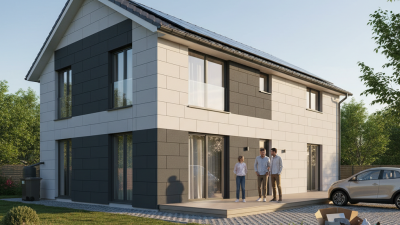
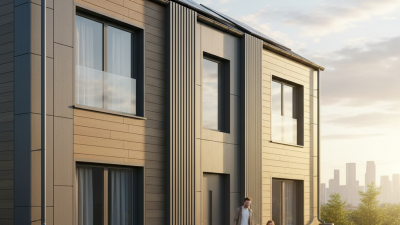
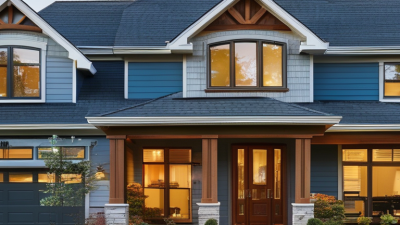
PVC cladding offers aesthetic versatility that appeals to global buyers. The material can mimic wood, stone, or even metal, providing limitless design possibilities. This adaptability makes it ideal for various architectural styles, from modern to traditional. Homeowners can find a suitable option that aligns perfectly with their vision, enhancing the overall appearance of their properties.
Customization is another significant advantage. Buyers can select colors, textures, and finishes that meet their unique preferences. This versatility allows for creative expression in home or commercial projects. For instance, a vibrant color scheme can bring energy to a facade, while neutral tones may create a calming effect. However, the challenge lies in ensuring that these choices complement the surrounding environment.
Some buyers may struggle with the decision-making process due to overwhelming options. It’s easy to get carried away with trends, which may not stand the test of time. Reflecting upon the intended purpose of the space can guide the selection. An aesthetically pleasing exterior should not only resonate with current styles but also maintain timeless appeal. Balancing innovation and tradition is key in achieving lasting beauty with PVC cladding.
What are the Benefits of PVC Cladding for Global Buyers - Aesthetic Versatility and Customization Options of PVC Cladding
| Dimension |
Details |
| Material Durability |
Resistant to moisture, rot, and pests, providing long-term reliability. |
| Aesthetic Appeal |
Available in various colors and textures, mimicking wood and stone. |
| Customization Options |
Can be tailored in size, color, and finish according to client specifications. |
| Low Maintenance |
Easy to clean and requires minimal upkeep compared to traditional materials. |
| Insulation Properties |
Provides thermal insulation, contributing to energy efficiency in buildings. |
| Sustainability |
Often made from recyclable materials, contributing to environmental sustainability. |