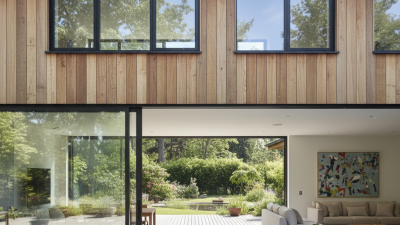
How to Choose the Best Composite Cladding Panels for Your Project?
Choosing the right composite cladding panels for your project is crucial. As Mark Thompson, a renowned expert in building materials, once stated, "The right cladding can transform not only the look but also the endurance of a structure." This highlights the importance of thoughtful selection when dealing with composite cladding panels.
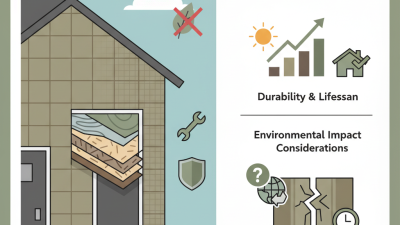
Composite cladding panels offer a range of textures and colors. These materials combine aesthetics with durability, making them a popular choice in modern architecture. It’s essential to consider factors like weather resistance, maintenance requirements, and sustainability when making your choice. Each project is unique, and what works for one may not work for another.
While the options seem endless, some products may not perform as promised. It is vital to research and consult knowledgeable professionals. A good understanding of your specific needs can help narrow down choices effectively. By paying attention to the finer details, you can ensure the composite cladding panels you select will stand the test of time while enhancing the overall appeal of your building.
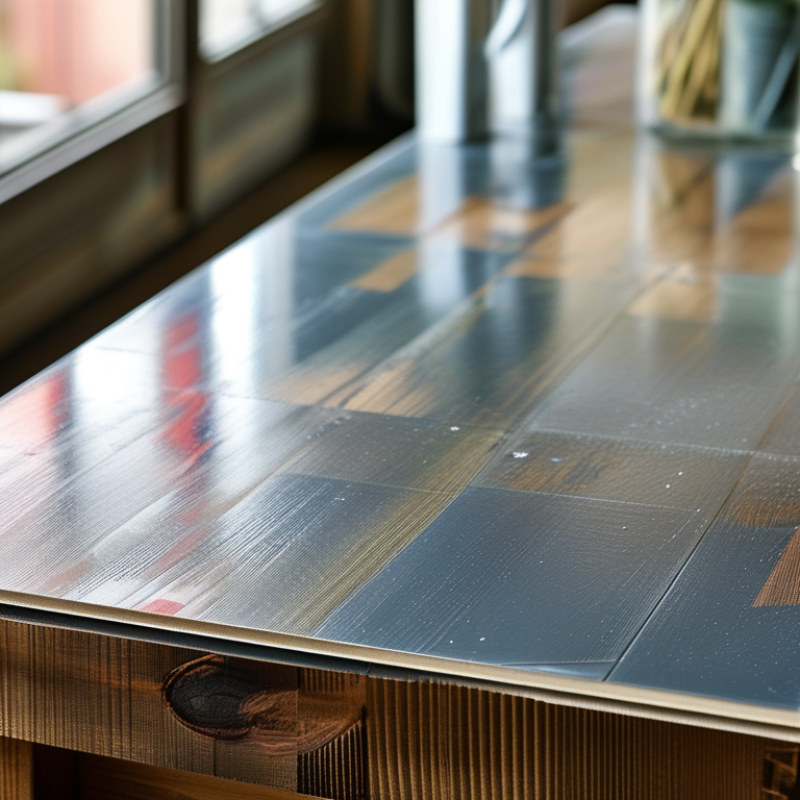
Understanding Composite Cladding Panels and Their Benefits
Composite cladding panels have gained popularity in recent years. They offer a blend of durability and aesthetic appeal. Understanding their composition helps in making an informed choice. These panels are typically made from a mixture of materials like wood fibers and plastic. This combination provides strength and resistance to environmental stresses.
The benefits of using composite cladding panels are impressive. They require minimal maintenance compared to traditional materials. You rarely need to paint or stain them, saving time and money. Additionally, they are eco-friendly, often made from recycled materials. Their insulation properties can enhance energy efficiency, lowering heating and cooling costs.
However, not all composite panels are equal. Some may fade or warp over time. It's vital to research the properties of each option. Keep in mind the specific environment where the panels will be installed. Factors such as humidity and temperature can influence their performance. Choosing the right composite cladding requires careful consideration of various aspects.
How to Choose the Best Composite Cladding Panels for Your Project?
| Material Type |
Thickness |
Fire Rating |
Warranty |
Color Options |
| Aluminum Composite Panel |
4 mm |
Class A |
20 years |
20+ options |
| Fiber Cement Board |
6 mm |
Class A |
30 years |
15+ options |
| Wood-Polymer Composite |
5 mm |
Class B |
15 years |
10+ options |
| High-Density Polyethylene (HDPE) |
8 mm |
Class B |
25 years |
10+ options |
Key Factors to Consider When Selecting Composite Cladding Panels
When selecting composite cladding panels for your project, there are several key factors to consider. Durability is paramount; a recent industry report highlights that high-quality composite materials can last up to 50 years with proper maintenance. Weather resistance is also crucial, as panels must withstand moisture, UV rays, and temperature fluctuations. This ensures longevity and reduces the need for frequent replacements.
Aesthetic flexibility plays an important role. Composite cladding is available in various colors and textures, allowing for creative architectural designs. According to a survey, 75% of architects prefer composite materials for their versatility. Sustainability is another factor; many panels are crafted from recycled materials, aligning with modern eco-conscious building practices. However, it's important to evaluate the environmental impact of manufacturing processes.
Finally, consider installation requirements. Some panels may require specialized tools or techniques, increasing labor costs. A review of installation guidelines reveals that improper fitting leads to issues like water infiltration, which can compromise the structure. Reflecting on these factors is essential to ensure you select the best composite cladding panels for your specific needs.
How to Choose the Best Composite Cladding Panels for Your Project?
This chart outlines key factors to consider when selecting composite cladding panels. Each factor's importance is rated on a scale of 1 to 10, helping you prioritize your choices effectively.
Evaluating Different Materials and Finishes for Cladding Panels
Choosing the right materials and finishes for composite cladding panels is essential for any construction project. Different materials offer distinct advantages and aesthetics. For instance, wood-plastic composites blend durability with a natural look. These panels resist rot and require minimal maintenance. However, their cost can be a concern for budget-sensitive projects.
Finishes also play a crucial role in the overall appearance. A textured finish can enhance the visual interest of cladding, creating a striking facade. On the other hand, smooth finishes provide a sleek, modern look. It's important to consider the climate as well. For areas with harsh weather, UV-resistant finishes can protect the panels from fading. Reflecting on your project's goals will help guide your material selections.
While exploring options, be mindful of potential downsides. Some finishes might require regular upkeep. Others may not perform well in specific environments. Evaluating these factors ensures that the cladding not only meets aesthetic standards but also stands the test of time. It's a balance of beauty, function, and durability.
Assessing Installation Methods and Maintenance Requirements
When selecting composite cladding panels, installation methods play a crucial role. The right approach can ensure durability and performance. Traditional methods include mechanical fastening, while modern techniques may involve adhesive bonding. The choice depends on panel weight, building design, and weather considerations.
Proper installation requires precise alignment and clear spacing. Misalignment can lead to aesthetic issues or compromise structural integrity. Assess your team's skills and tools to avoid unnecessary complications during installation. Engaging professionals can mitigate risks but may increase costs.
Maintenance is equally important. Some composite materials require less upkeep than wood, but that doesn’t mean zero maintenance. Regular cleaning prevents mold or dirt buildup. Inspect joints and seams regularly, especially after harsh weather. Establish a routine to check for wear and tear. Remember, neglecting maintenance could lead to costly repairs later.
Budgeting for Your Composite Cladding Project: Costs and Options
When budgeting for composite cladding panels, understanding costs is critical. According to industry reports, the average price for composite cladding ranges between $7 to $25 per square foot. This variability depends on factors like material grade, design complexity, and installation labor. Lower-end options may save money upfront, but they often lack durability and aesthetic appeal.
Proper planning can prevent unexpected costs. It's essential to account for supplementary expenses, such as insulation, fasteners, and waterproofing. Some projects might necessitate special finishes, increasing overall expenditure. Reports suggest that approximately 20% of renovation budgets can go to these hidden costs. Investing in higher-quality panels can yield long-term benefits, reducing maintenance and replacement frequency.
It's also wise to consider the environmental impact. Sustainable composite materials can sometimes cost more but contribute significantly to energy savings over time. A comparison of lifecycle costs shows that energy-efficient options may lower utility bills by 15-30%. Striking a balance between upfront and long-term costs will lead to better project outcomes.