How to Choose the Best PVC Cladding for Your Projects?
Selecting the right PVC cladding for your projects can be a challenging task. Industry expert Jane Doe, a leading figure in architectural design, states, “The choice of PVC cladding can make or break the aesthetic and durability of any structure.” Understanding key factors is essential for achieving successful outcomes.
PVC cladding comes in various styles, colors, and textures. It is important to consider the specific needs of your project. Different environments demand different qualities. For instance, some cladding may resist moisture better than others.
Many overlook the significance of manufacturer credibility. A reliable brand often assures higher quality materials. Researching reviews and testimonials can provide insights. However, personal experience with products also plays a vital role in making the best choice. As you explore options, reflecting on prior projects may lead to better decisions.
Understanding PVC Cladding: Materials and Types
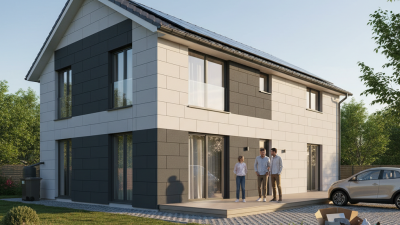
PVC cladding is a popular choice for construction projects. Its durability, moisture resistance, and low maintenance make it appealing. However, understanding the materials and types available is crucial for making the right decision.
There are various types of PVC cladding, including textured and smooth finishes. Textured panels can mimic natural materials like wood or stone. This can add an elegant touch to your space. On the other hand, smooth panels are easy to clean and maintain. They are ideal for modern designs. Consider your project's aesthetic and functional needs when choosing between these options.
It’s important to reflect on the purpose of your project. Will the cladding be exposed to harsh weather? Some cladding types are better suited for outdoor use. Also, gauge the installation process. Some materials may require professional installation, while others are DIY-friendly. Knowing your limitations can save time and frustration.
Key Factors to Consider When Choosing PVC Cladding
When selecting PVC cladding for your projects, several key factors come into play. One important aspect is the thickness of the panels. Thicker panels often provide better durability and insulation. However, they can be more challenging to install. Thus, balancing thickness and ease of installation is crucial.
Another factor to consider is the design and finish of the cladding. Many styles and colors are available, which can significantly impact the aesthetics of your project. It’s essential to choose a finish that fits well with the overall design theme. Sometimes, the choice might seem overwhelming. You may need to picture how it blends with other materials used in your project.
You should also assess the versatility of the cladding. Can it be easily cut or adjusted to fit unusual spaces? This adaptability can save time and effort during installation. While some options might seem convenient, they may not always be the best choice for every situation. Consider your project’s specific needs and the potential long-term maintenance required. Understanding these elements will aid in making a more informed decision.
Evaluating Aesthetic Options: Colors and Textures in PVC Cladding
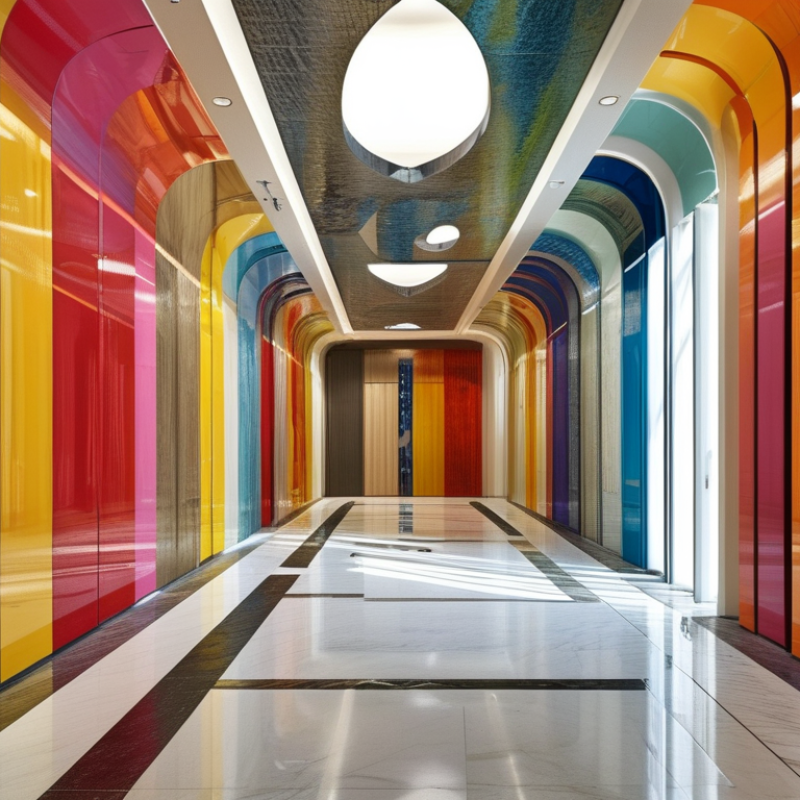
When choosing PVC cladding, the aesthetic options play a crucial role. Colors and textures can significantly impact the overall look of your project. Think about how light interacts with different finishes. A glossy surface can reflect sunlight, creating a bright atmosphere. In contrast, matte textures may offer a more subdued and sophisticated feel. Both choices have their unique appeal.
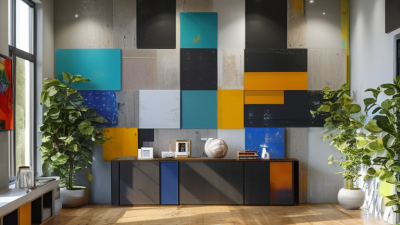
Consider the palette carefully. Neutral colors provide versatility and can adapt to any design style. Bold hues can make a statement, but may not work in every setting. It's essential to visualize the final outcome. Using samples can help you assess how colors change in natural light. This step often reveals unexpected results that may require adjustments.
Textures also bring depth to your walls. A wood-like texture can add warmth, while a sleek finish may signal modernity. Striking the right balance is key. Sometimes, a combination of textures can create a dynamic and engaging appearance. However, overcomplicating your choices may lead to a cluttered look. Reflect on what you want your space to convey, and let that guide your selections.
How to Choose the Best PVC Cladding for Your Projects? - Evaluating Aesthetic Options: Colors and Textures in PVC Cladding
| Color Options |
Texture Options |
Applications |
Durability |
| White |
Smooth |
Interior Walls |
High |
| Grey |
Textured |
Commercial Buildings |
Moderate |
| Beige |
Wood Grain |
Residential Exteriors |
High |
| Blue |
Matte |
Pools and Patios |
Good |
| Green |
Rough |
Garden Fencing |
Very High |
Cost-Effectiveness: Budgeting for PVC Cladding Projects
When considering the costs associated with PVC cladding, it’s essential to evaluate your budget comprehensively. PVC cladding can vary widely in price, influenced by factors like thickness and design. Many may overlook installation costs, which can significantly impact the overall budget. Hiring skilled professionals usually leads to better results, but it adds to your expenses. Therefore, at the planning stage, ensure to gather quotes from multiple sources. Comparing these costs gives a clearer picture of what to expect.
Longevity is another vital aspect to factor in. While cheaper options may save money upfront, they might not withstand weather conditions or wear as well. This could lead to more frequent replacements, ultimately raising costs over time. Reflect on your project’s unique needs and environment. If the cladding must endure harsh climates, investing in higher-quality materials may be wise. Balancing initial costs with long-term durability can shape your final decision.
Finally, don’t forget to leave room for unexpected expenses. Projects can often face surprises, from material shortages to labor issues. Budgeting an extra 10-15% for unforeseen costs is prudent. This accounts for any adjustments that could otherwise derail your plans. Reflecting on past projects can offer insights into what might arise, helping you prepare better financially.
Maintenance and Durability: Ensuring Long-Term Performance of PVC Cladding
When considering PVC cladding for your projects, maintenance and durability are key factors. PVC is known for its resistance to moisture and corrosion, making it an excellent choice for outdoor applications. Unlike wood, it doesn’t rot or warp. Regular cleaning with soap and water can keep it looking fresh, but neglect can lead to discoloration. Investing in high-quality PVC can minimize these issues, but the secret lies in the proper installation.
Durability also hinges on the environment. In areas with extreme weather, UV protection becomes crucial. Some PVC cladding products may fade over time if not treated properly. Examine different thicknesses and surface textures; these can impact longevity. While PVC is relatively low-maintenance, occasional inspections are necessary. This ensures that any minor issues, like small cracks or loose panels, are addressed early on. Waiting too long can lead to larger, more costly repairs.
Understanding the life cycle of your cladding is essential. While you may want to save upfront costs, consider the long-term performance. A cheaper option may require more frequent replacements or repairs. Opt for products with proven warranties and manufacturer support. Sometimes, spending a bit more at the beginning can save you significant time and resources later on.
Durability and Maintenance Comparison of PVC Cladding Types